Pegasus Tires Review: Who Makes Them, and Are They Any Good?
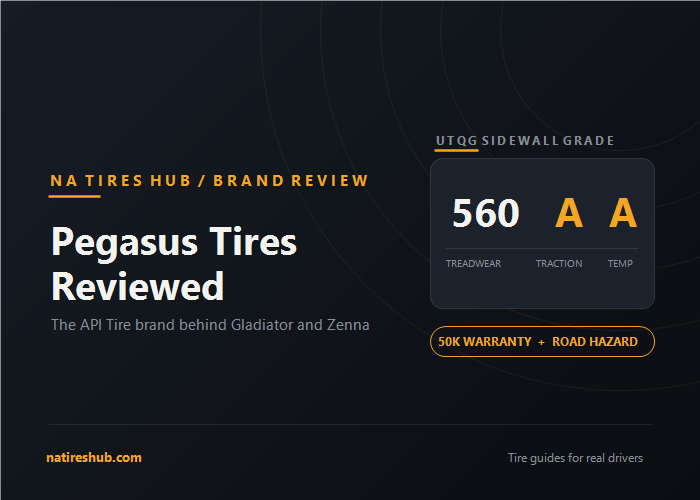
Table of contents
- Who makes Pegasus tires, and where are they made?
- The Pegasus lineup at a glance
- Tour A/S: the line most people are searching for
- HPX Sport A/S: the performance side, and the deepest stock
- HTX A/S: crossovers and SUVs
- ATX 4S, RTX and MTX: the truck side
- What the warranty actually covers
- Pegasus versus Zenna: same owner, different tier
- Where Pegasus makes sense, and where it does not
- Value tires that ship nationwide
- The verdict
Pegasus is a brand most drivers meet by accident: they search their size, a Pegasus Tour A/S comes up well under the recognised names, and the next search is "who makes Pegasus tires". It is a fair question, and unlike a lot of value brands it has a real answer. Here is what Pegasus is, which of its six lines are worth your money, and where it does not belong.
Quick answer
Pegasus is a value tire brand owned by American Pacific Industries, the Arizona distributor behind Gladiator and Zenna. It sells six lines: Tour A/S for everyday cars, HPX Sport A/S for performance fitments, HTX A/S for SUVs, and the ATX 4S, RTX and MTX for trucks. The passenger lines carry full UTQG grades and a mileage treadwear warranty.
Disclosure: New American Tires Hub is an independent tire retailer. We sell the Pegasus tires discussed on this page and we make money when you buy from us. We are not affiliated with, sponsored by, or endorsed by Pegasus or American Pacific Industries. The views below are our own, and we say where the brand falls short as well as where it does well.
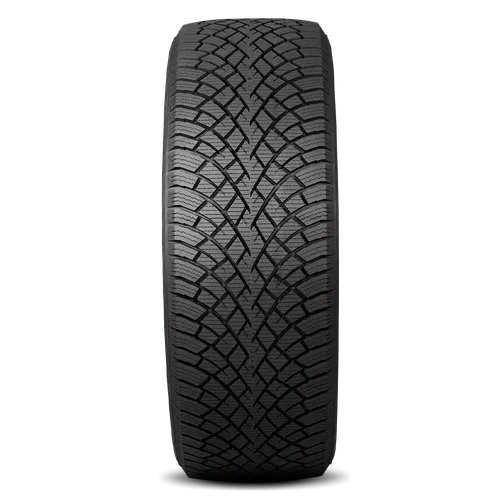
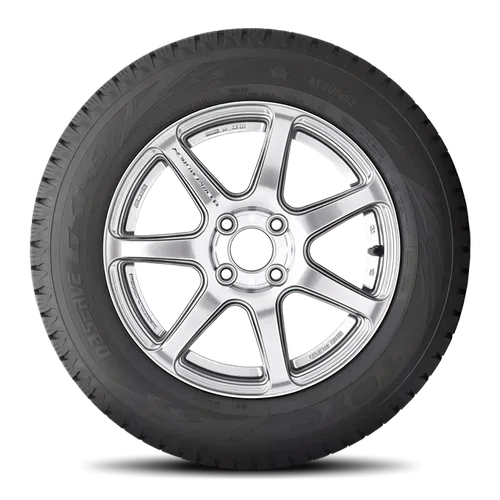
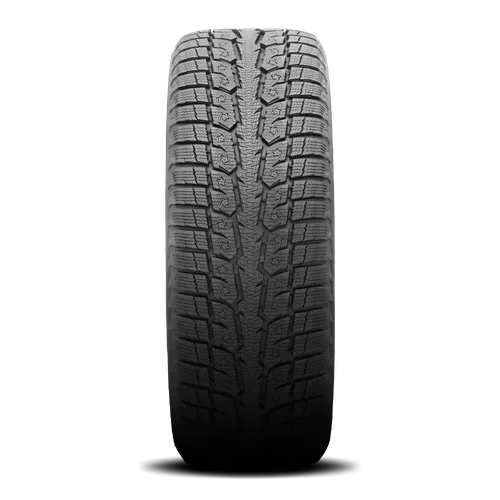
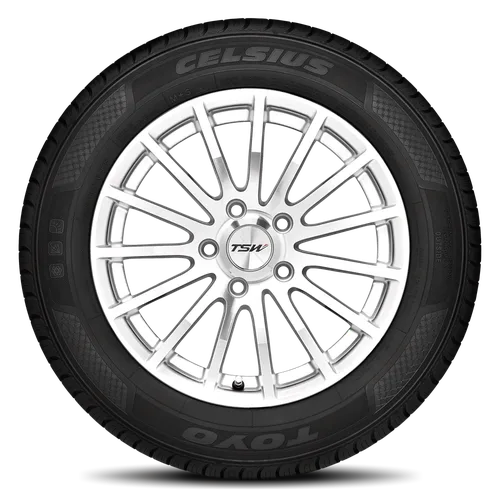
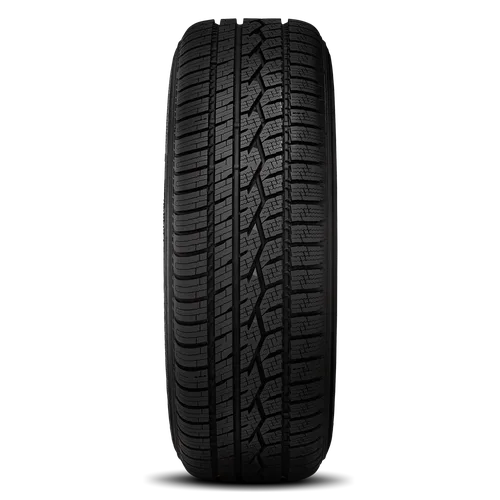
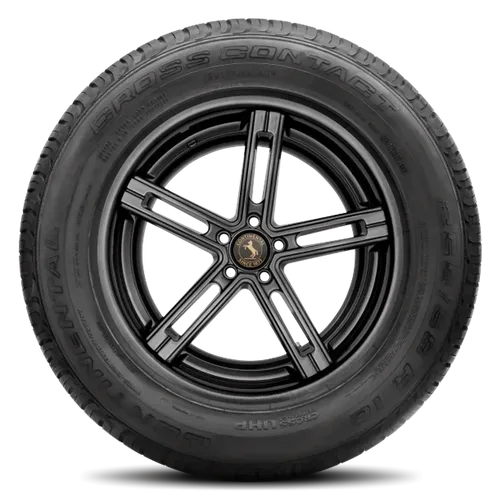
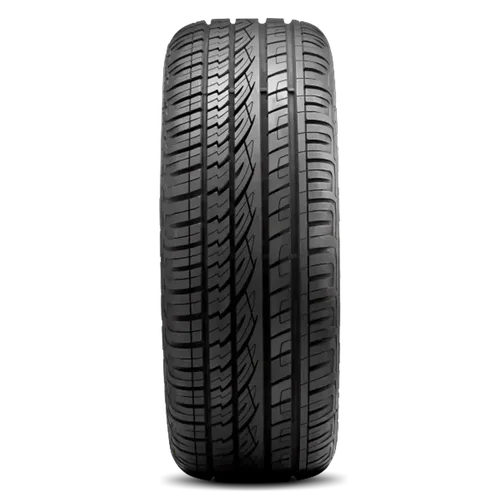
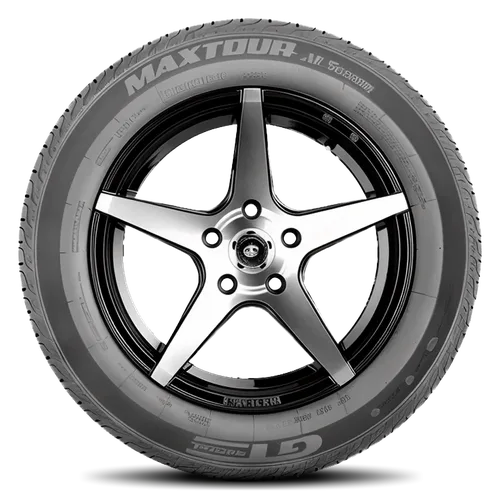
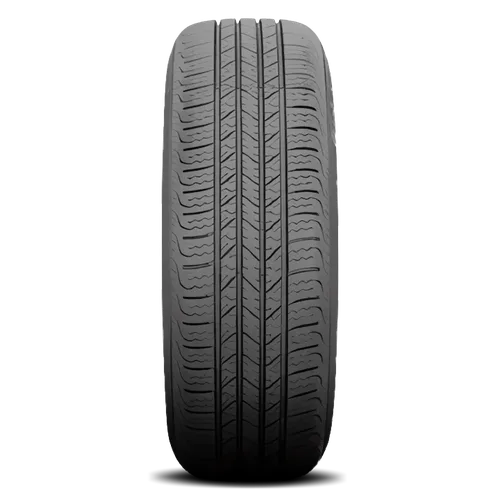
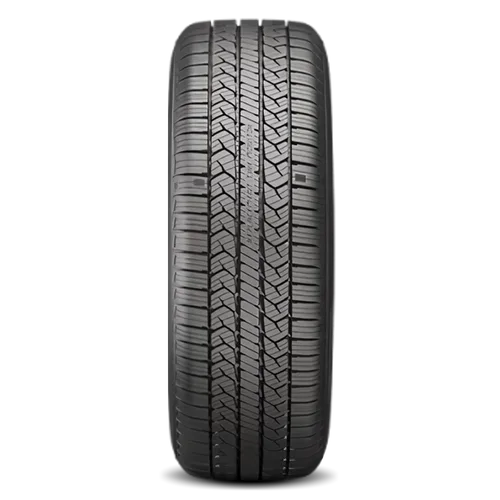
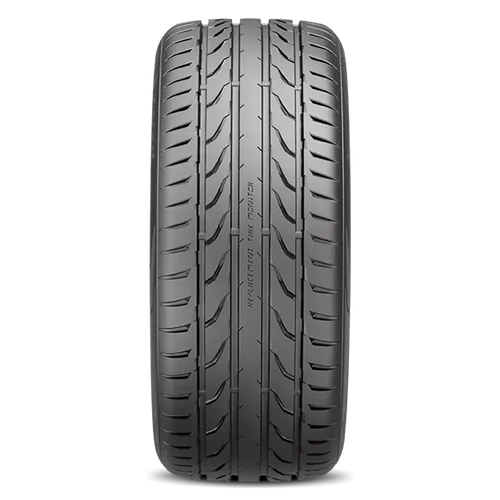
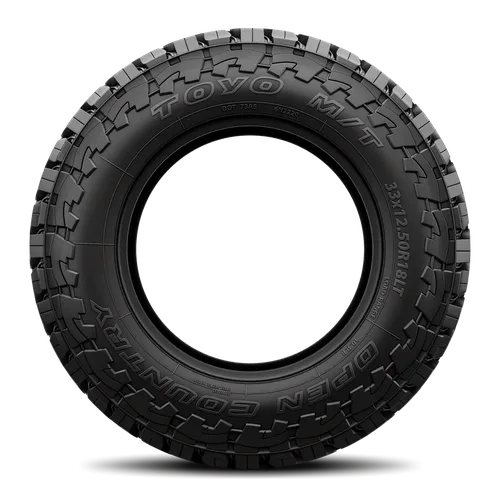
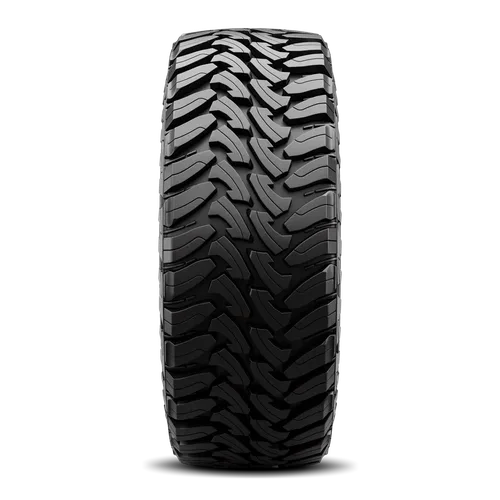
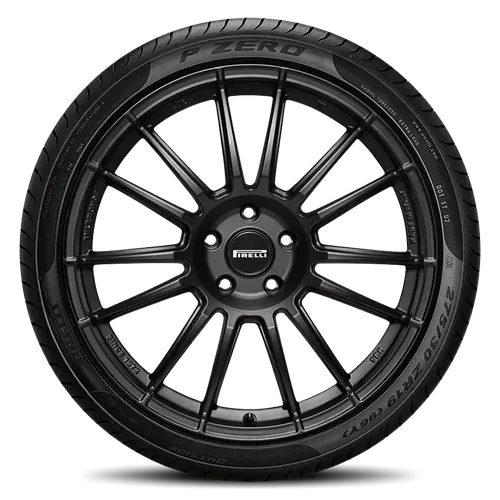
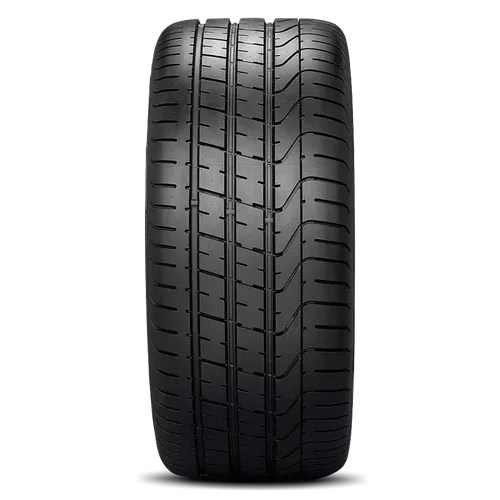
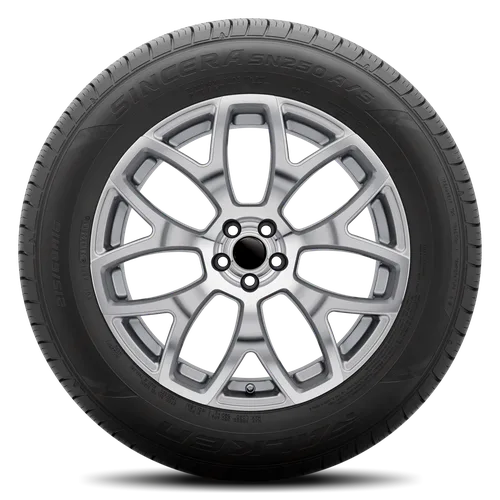
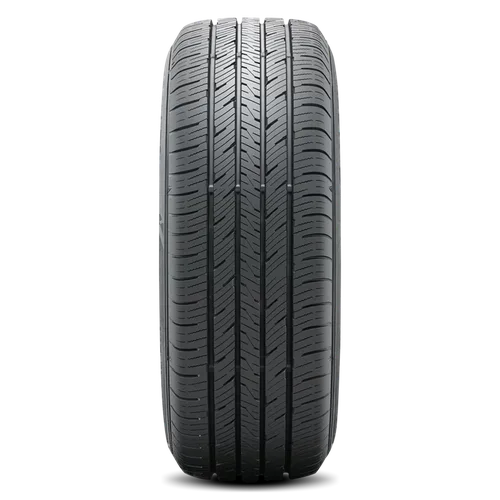
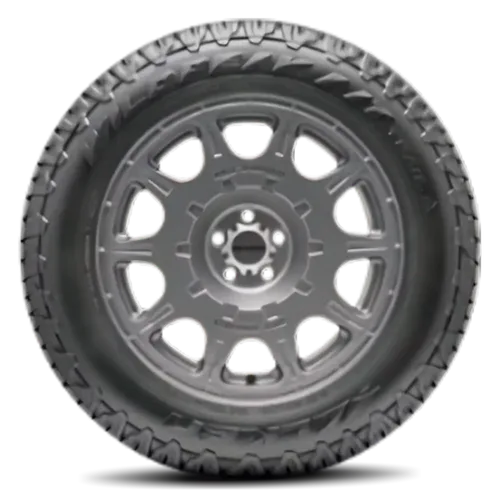
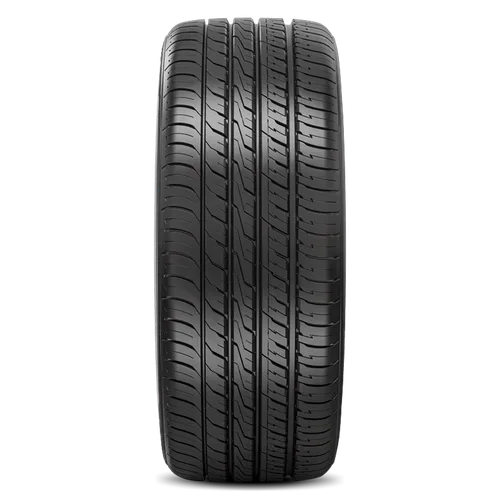
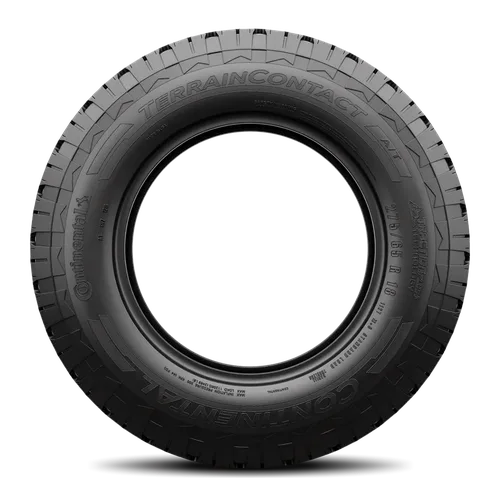
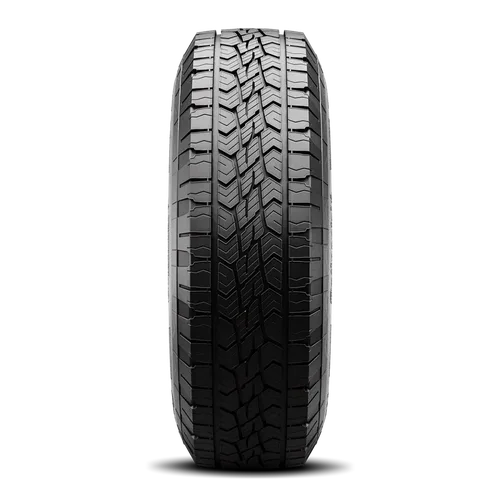
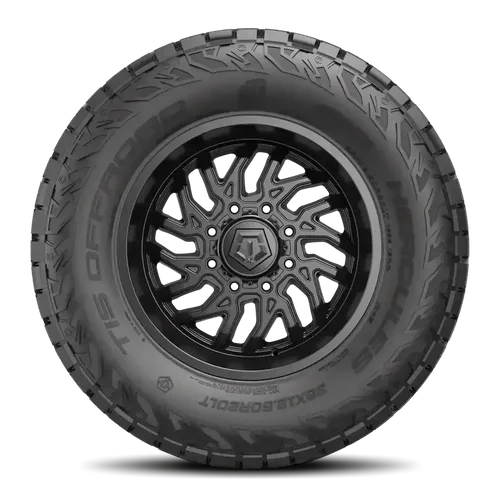
Prices and sizes in stock right now: all Pegasus tires. Comparing budget brands? Read our Mohawk and Crossleader reviews too. These are three Pegasus tires we hold in depth, one from each side of the range:
Who makes Pegasus tires, and where are they made?
Pegasus is a brand of American Pacific Industries, usually shortened to API Tire, a tire distributor headquartered in Scottsdale, Arizona and founded in 1982. API also owns Gladiator, X Comp and Zenna, so if you have read our Gladiator tires review or our Zenna tires review, Pegasus comes from the same house. Within that family it is the passenger and light truck brand: Gladiator covers off-road and trailer, Zenna covers budget passenger and trailer, and Pegasus sits a step above Zenna on price and specification.
What API does not publish is a factory. Like most distributor brands, Pegasus tires carry no country of manufacture on the product listing and API does not name the plants that build them. That is normal at this tier and it is not a warning sign on its own, but you should know it before you buy. The DOT code moulded into the sidewall of any individual tire identifies the plant that made it, and every tire legally sold in the United States meets the same federal safety standards whatever name is on the sidewall.
What can be verified is the product: the size, the load index and speed rating, the UTQG grades, and the warranty API publishes for each line. The rest of this review is built on those.
The Pegasus lineup at a glance
| Line | Built for | Rim sizes we stock | Typical price |
|---|---|---|---|
| Tour A/S | Everyday cars, all-season touring | 15 to 18 inch | About $50 to $95 |
| HPX Sport A/S | Performance cars and larger wheels, W-rated | 17 to 22 inch | About $65 to $120 |
| HTX A/S | SUVs and crossovers, highway | 16 to 20 inch | About $90 to $135 |
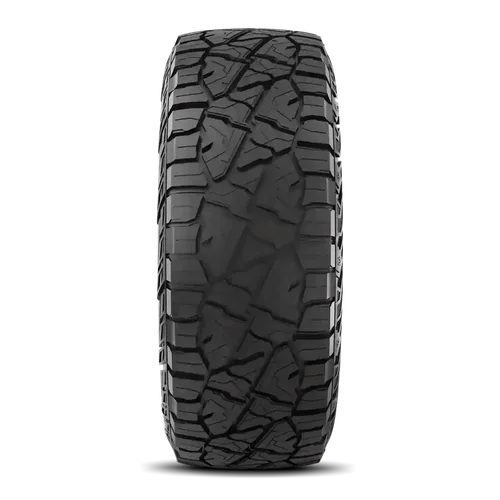
| ATX 4S A/T | Trucks and SUVs, all-terrain, 3PMSF rated | 16 to 20 inch | About $105 to $220 |
| RTX R/T | Rugged terrain, LT flotation sizes | 18 to 24 inch | About $205 to $270 |
| MTX M/T | Mud terrain, LT flotation sizes | 16 to 22 inch | About $165 to $235 |
Six lines is a tidy range: one tire per job, no overlapping generations, no orphan models. The weight of the stock sits in the first two, which is the most useful thing to know about Pegasus. You can browse every Pegasus tire we have in stock, or read on for what separates the lines.
Tour A/S: the line most people are searching for
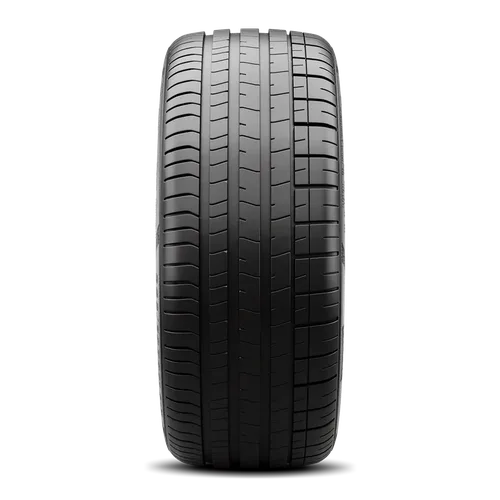
The Tour A/S is the everyday all-season touring tire, and it is the Pegasus that turns up in the common sizes on ordinary cars: 195/65R15, 205/55R16, 215/60R16 and their neighbours, from 15 to 18 inch. It carries a UTQG grade of 560 A A, comes in T, H, V and W speed ratings, and costs roughly $50 to $95 a tire. API backs it with a 50,000-mile limited treadwear warranty and a one-year road hazard protection plan.
That 560 is a respectable treadwear index for a tire at this price, higher than several value touring tires we stock, and the A traction and A temperature grades are the ones that carry meaning across brands. To be clear about what the number is: treadwear is an index from a controlled test course, assigned by the manufacturer, not a promise of miles, and it only compares tires from the same maker. It says the Tour A/S was built for longevity rather than grip, which is exactly what a touring tire should be.
This is the line to look at for a Civic, a Corolla, a Camry, a Sentra or a Malibu that needs four new tires and does not need them to be a famous name.
HPX Sport A/S: the performance side, and the deepest stock
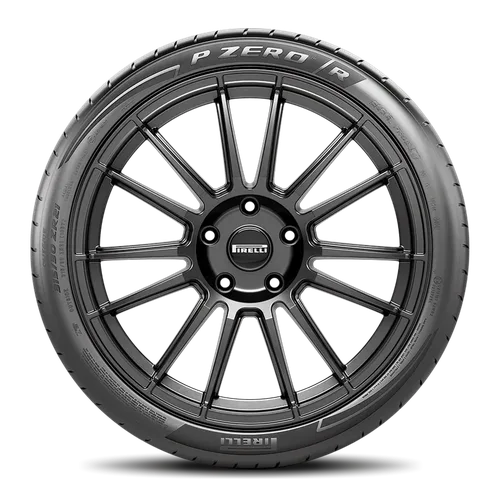
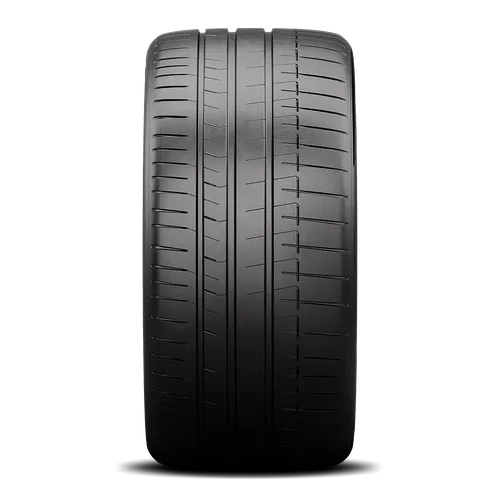
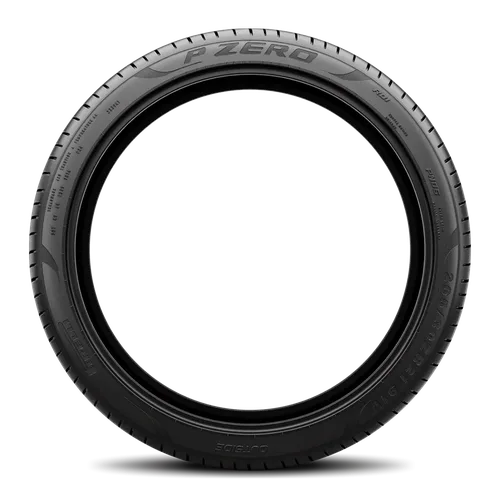
The HPX Sport A/S is the performance all-season, with W speed ratings across most of the range, ZR sizes from 17 up to 22 inch, and a UTQG grade of 420 AA A. That AA traction grade is the highest the scale goes, and it is unusual to see on a value tire. The treadwear index of 420 is lower than the Tour, as you would expect from a softer compound, and API still puts a 50,000-mile treadwear warranty on it with the same one-year road hazard plan.
It is the deepest line we hold in the brand, particularly in 18, 19 and 20 inch sizes, at about $65 to $120. On a sporty sedan or coupe, or a crossover on large wheels, it is a fair option if you want a W-rated tire without paying the premium names' price. Be realistic: it will not match the premium brands on wet grip as the tread wears or on how long the compound stays sharp. At the price difference, that is a trade most daily drivers will take.
HTX A/S: crossovers and SUVs
The HTX A/S is the highway all-season for SUVs and crossovers, in 16 to 20 inch at about $90 to $135, with a 560 A A grade and H and T speed ratings. It is the Pegasus for a RAV4, a Highlander, an Explorer or a Tahoe that lives on pavement. Stock is thinner than on the Tour and HPX, so check your size before you count on it.
ATX 4S, RTX and MTX: the truck side
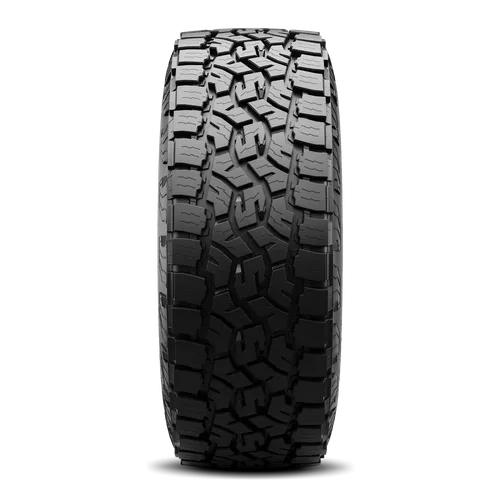
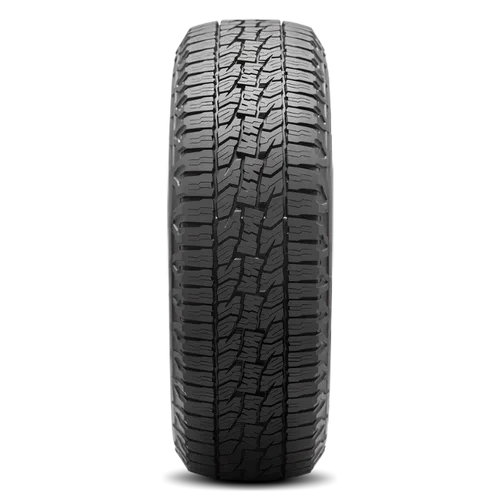
The ATX 4S is the all-terrain, and it is the most interesting tire in the range. It carries the three-peak mountain snowflake, meaning it passed the standardised severe-snow traction test, which very few value all-terrains do. It comes in 16 to 20 inch including LT sizes on 10 and 12 ply casings, with a 560 A A grade on the passenger-metric sizes, and API warrants it for 50,000 miles, or 40,000 miles on LT sizes. Prices run from about $105 on a 16 inch to about $220 on a 35x12.50R20. For a truck that splits its year between highway, trail and a real winter, this is the one to look at.
The RTX R/T is the rugged-terrain tire, sitting between all-terrain and mud-terrain, in LT flotation sizes from 33 to 37 inch on 18 to 24 inch wheels, at about $205 to $270. The MTX M/T is the full mud tire, in LT sizes from 16 to 22 inch, at about $165 to $235. Both carry Q speed ratings and 10 or 12 ply casings. Stock on both is shallow at the time of writing, and for a lifted truck in flotation sizes the sister brand Gladiator holds far more depth in the same construction.
One detail applies across the truck lines: the LT and flotation sizes carry no UTQG grade, because federal grading applies only to passenger car tires. That is not a gap in the data. Compare LT tires on load range, ply rating and warranty instead.
What the warranty actually covers
API publishes the terms for each line on its own site, which is more than many value brands manage. The Tour A/S, HPX Sport A/S and ATX 4S each carry a 50,000-mile limited treadwear warranty, reduced to 40,000 miles on the ATX 4S in LT sizes, plus a one-year road hazard protection plan. The mileage warranty is prorated in the normal way: a tire that wears out early is credited toward a replacement in proportion to the miles it delivered, not replaced free. Read the terms before you count on it, since mileage warranties normally carry rotation and inflation conditions.
The road hazard plan is the part to notice. Many tires at this price carry no road hazard cover at all, and a pothole that destroys a $60 tire in its first months is otherwise a total loss. One year is shorter than the two years some competitors offer, but it is real.
Pegasus versus Zenna: same owner, different tier
People cross-shop these two because they land in the same sizes, and the difference is easy to state now that the owner is known. Both come from API. Zenna is the budget tier: its Sport Line carries a 420 A A grade and is priced lower. Pegasus is the step up: the Tour A/S carries 560 A A, the HPX Sport carries an AA traction grade, each line has a published 50,000-mile warranty and road hazard plan, and the range includes a 3PMSF all-terrain that Zenna does not offer. If you want the lowest price on four tires, Zenna. If you want the longer treadwear index and the published warranty for a little more, Pegasus.
Where Pegasus makes sense, and where it does not
It makes sense for a daily-driven car on a 15 to 18 inch wheel, where the Tour A/S is a well-graded touring tire at a low price with a real warranty behind it. It makes sense for a performance car or a crossover on 18 to 22 inch wheels, where the HPX Sport A/S is one of the cheaper routes to a W-rated tire. And it makes sense for a truck owner who needs an all-terrain with a snowflake rating without paying premium money for it.
It does not make sense if you need a true winter tire; the ATX 4S is the only line with the snowflake, and it is a truck tire. It does not make sense for a lifted truck in large flotation sizes, where our RTX and MTX stock is thin and Gladiator is the deeper choice from the same owner. And it does not make sense if you cover very high annual mileage and care how a tire behaves at 40,000 miles rather than 4,000, where the premium touring tires still earn their price.
Key takeaways
- Pegasus is owned by American Pacific Industries (API Tire) of Scottsdale, Arizona, founded 1982, which also owns Gladiator, X Comp and Zenna. API does not publish its factories.
- Six lines, one per job: Tour A/S (cars), HPX Sport A/S (performance), HTX A/S (SUVs), ATX 4S (all-terrain, 3PMSF), RTX (rugged terrain), MTX (mud).
- Tour A/S carries a 560 A A grade; HPX Sport A/S carries 420 AA A, with the highest traction grade on the scale. Treadwear is an index, not a mileage promise, and LT sizes carry no UTQG.
- API publishes a 50,000-mile treadwear warranty on the passenger lines and the ATX 4S (40,000 on LT), plus a one-year road hazard plan.
- Best fit: everyday cars, performance fitments on large wheels, and trucks that need a snowflake-rated all-terrain. Weakest fit: large flotation sizes and true winter use.
Value tires that ship nationwide
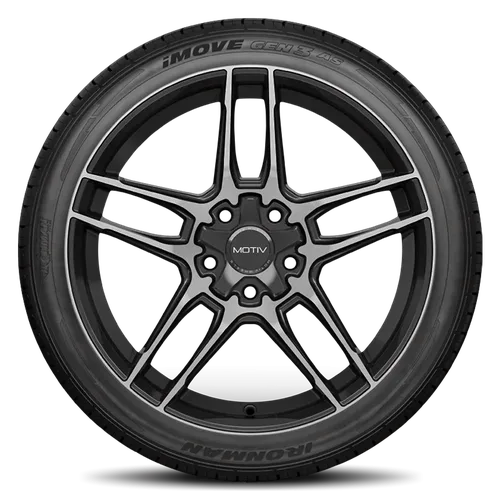
Pegasus availability depends on your ZIP code, and some sizes ship only to part of the country. If the size you need is not available for delivery to you, these Ironman value tires ship from U.S. warehouses nationwide, for cars, crossovers and trucks:
In stock right now
3 in-stock products recommended for this guide
The verdict
Pegasus is the rare value brand where the questions have answers: a named owner in Arizona, published warranty terms per line, full UTQG grades on the passenger tires, and a snowflake-rated all-terrain. The range is small and that is a strength; there is no wrong Pegasus to buy, only a wrong size.
If you are replacing a full set on a car you drive every day, the Tour A/S is the one to look at first. On a performance car or a crossover on large wheels, the HPX Sport A/S. Confirm your size, load index and speed rating against the door placard, and buy the one that matches.
Ready for new tires?
Search live prices in your exact size, shipped from our US warehouses.
Shop tires by sizeFrequently Asked Questions
Have questions? We've got answers.
Sources & references
Disclaimer: This content is for general informational purposes only and is not a substitute for professional automotive advice. Always confirm tire size, load rating, and inflation pressure against your vehicle's door placard and owner's manual, and consult a qualified tire professional before making changes to your vehicle's tires.