Zenna Tires Review
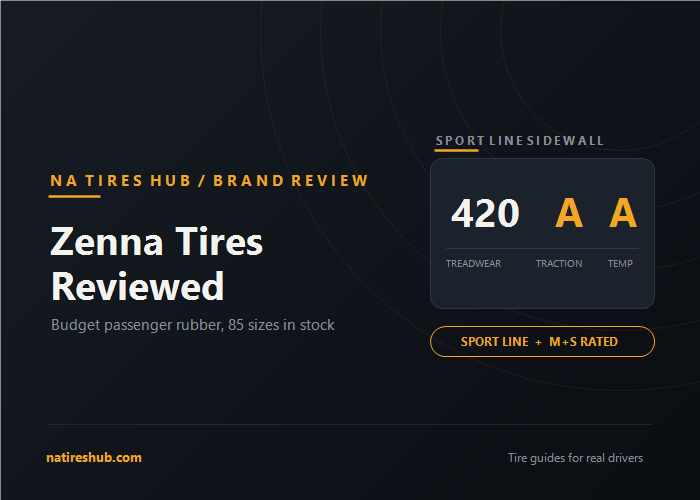
Table of contents
- Who makes Zenna tires, and where are they made?
- The Zenna lineup at a glance
- Sport Line: the line the brand is really built on
- Argus UHP: the performance side
- Radial ST: the trailer line
- The commercial truck tires, and what we actually hold
- What separates a budget tire from a premium one
- Where Zenna makes sense, and where it does not
- The verdict
Zenna is a brand you meet by price. You search your size, a Zenna comes up at half what the recognised names cost, and the reasonable reaction is suspicion. Here is what the brand actually is, which of its lines are worth your money, and where it genuinely does not belong.
Quick answer
Zenna is a budget tire brand built around one high-volume passenger line, the Sport Line, priced from about $50 to $100 a tire. It also sells a performance range and a trailer range. The tires carry normal UTQG ratings and M+S branding, and they suit drivers who need four new tires rather than two expensive ones.
Disclosure: New American Tires Hub is an independent tire retailer. We sell the Zenna tires discussed on this page and we make money when you buy from us. We are not affiliated with, sponsored by, or endorsed by Zenna or its distributor. The views below are our own, and we say where the brand falls short as well as where it does well.
Who makes Zenna tires, and where are they made?
This is the most common question about the brand and the honest answer is that Zenna does not publish it. Unlike some value brands that name their manufacturer directly on the product, such as Armstrong, which states its owner and its Thai factory openly, Zenna's listings carry no parent company and no country of manufacture, and we are not going to guess at one.
That is worth knowing rather than worrying about. Plenty of tires sold in the United States come from manufacturers who supply several brands and do not put their name on all of them. Every tire legally sold here has to meet the same federal safety standards regardless of whose name is on the sidewall, and it carries a DOT code identifying the plant that built it. If knowing the factory matters to you, that is a legitimate reason to buy a brand that states it openly, and we would rather say so than invent a story.
What can be verified is the product: the sizes, the UTQG grades moulded into the sidewall, the load and speed ratings, and the price. That is what the rest of this review is built on.
The Zenna lineup at a glance
| Line | Built for | Sizes we stock | Typical price |
|---|---|---|---|
| Sport Line | Everyday cars and crossovers | 14 to 20 inch | $50 to $101 |
| Argus UHP | Performance fitments, larger wheels | 17 to 24 inch | $97 to $193 |
| Radial ST | Trailers, 8 to 14 ply | 14 to 16 inch | $50 to $170 |
Across the brand we hold 88 in-stock products covering 85 distinct sizes, from 13 inch up to 24 inch. The weight of that stock sits heavily in one place, which is the most useful thing to understand about Zenna.
Sport Line: the line the brand is really built on
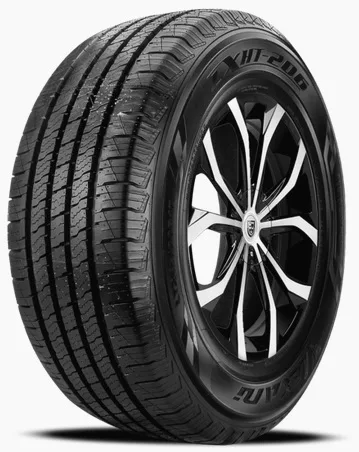
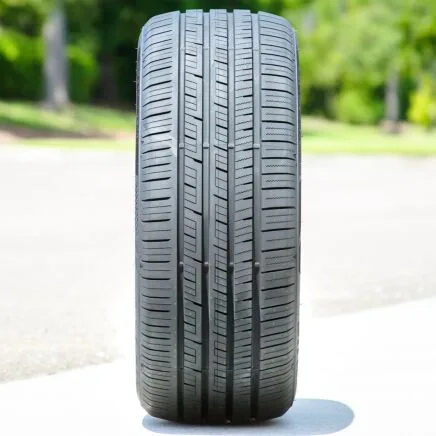
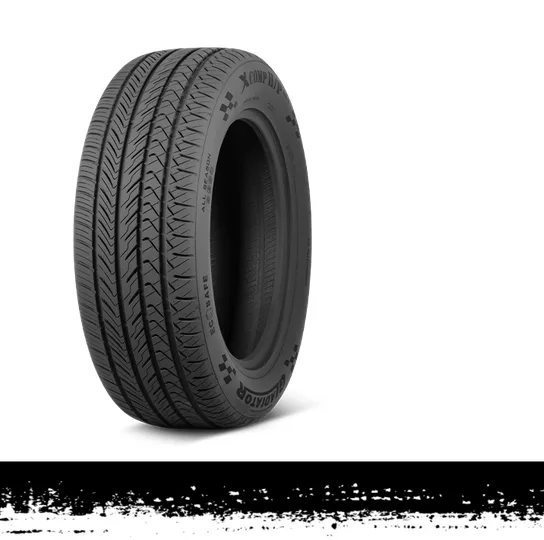
The Sport Line is not just the biggest seller, it is most of the brand. It accounts for roughly 6,200 of the units we hold, across 36 sizes from 185/65R15 up to 225/65R17 and beyond, and it is priced between about $50 and $101 a tire.
At that price the comparison is not Zenna against a premium touring tire. It is four new Zennas against two premium tires, or against carrying on with a worn set. New rubber on all four corners will out-brake a half-worn premium set, and that is the decision most people buying this line are actually making.
The listings carry a UTQG grade of 420 A A. Read that correctly: 420 is a treadwear index assigned by the manufacturer from its own controlled-course testing, not a promise of miles, and it is only meaningful compared against tires from the same maker. The two A grades are traction and temperature, and A is a good result on both.
These tires also carry M+S branding. That marking means the tread pattern meets a geometric standard, and it is not the same thing as a winter tire. If you drive on snow and ice regularly, an M+S all-season is not a substitute for a proper winter tire, whatever the sidewall says. We work through the difference properly in all-season versus winter tires.
If your current set is at the wear bars, here is what we hold across the three Zenna lines:
In stock right now
3 in-stock products recommended for this guide
Argus UHP: the performance side
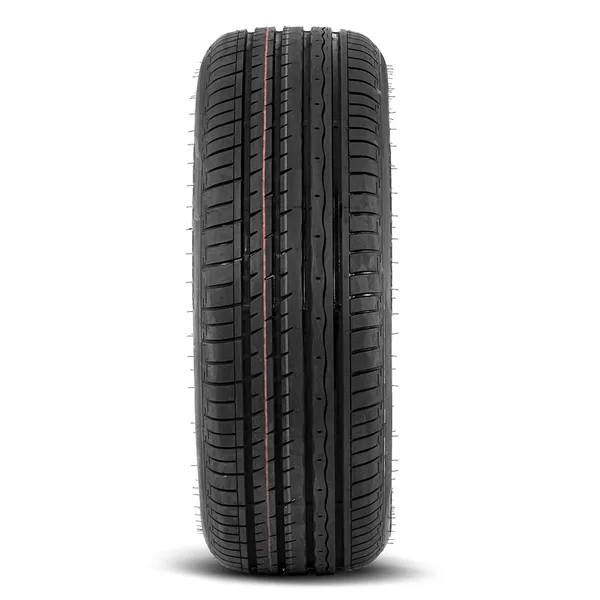
The Argus UHP covers the larger and lower-profile fitments, running from 17 inch up to 24 inch in sizes like 225/35ZR19 and 255/55R18, generally between about $97 and $193.
This is where a budget brand makes its most persuasive case, because large-diameter performance rubber is expensive from the established names and the saving is proportionally biggest here. It is also where expectations need to stay realistic. A value UHP tire will not match a premium one on dry limit grip or on how progressively it lets go, and if you drive hard enough to find those limits you will notice.
Worth stating plainly: a ZR-rated performance tire is summer-biased. It is not a winter tire and no tread pattern makes it one.
Radial ST: the trailer line
The Radial ST is the trailer range, covering ST205/75R14 through ST235/85R16 in 8, 10, 12 and 14 ply ratings, including all-steel construction on some sizes. Prices run from roughly $50 to $170 depending on ply and size.
Two things matter more on trailer tires than on anything else here. ST tires are not passenger tires, so they carry no UTQG grade at all and cannot be compared to car tires on treadwear numbers. And ST tires have their own speed limitations, which vary by construction. Check the sidewall and the trailer manufacturer's plate rather than assuming a highway speed is fine.
The commercial truck tires, and what we actually hold
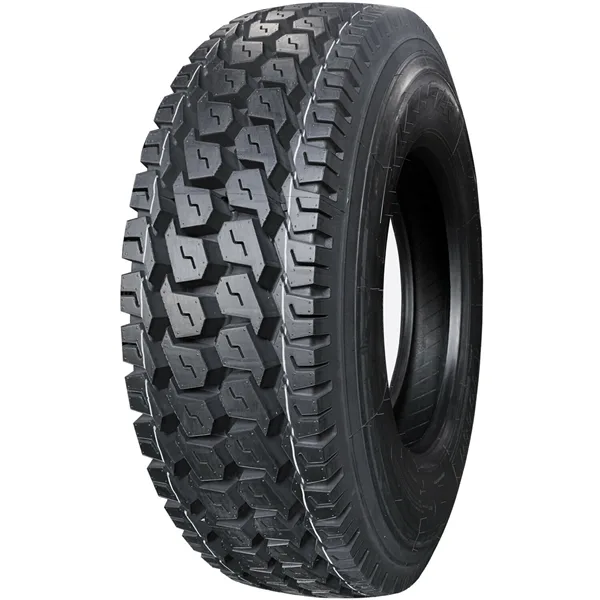
Zenna also builds commercial truck tires, including the AP250 all-position and the DR850 drive tire in 11R22.5. These come up in searches often enough to be worth addressing directly.
We do not hold working stock of the commercial line. Across those models we currently list a single unit. If you are buying 11R22.5 or similar commercial sizes, we cannot supply you in Zenna today, and you should check our commercial and trailer categories for the brands we do carry in depth rather than planning around a Zenna model number.
You can see exactly what is live at any time on our Zenna brand page.
What separates a budget tire from a premium one
Every tire legally sold in the United States meets the same federal safety standards, whatever it costs. A budget tire is not an unsafe tire, and anyone telling you otherwise is selling something.
What money buys is engineering depth and consistency: how well wet grip holds up as the tread wears down, how quiet the tire stays at highway speed, how evenly it wears across four seasons, and how predictable it feels at the limit. Those differences are real, and they are worth paying for if your mileage justifies it. On a car that covers 6,000 miles a year, they often do not.
Key takeaways
- Zenna does not publish its manufacturer or country of origin, and we are not going to guess at one.
- The Sport Line is most of the brand: roughly 6,200 units in stock across 36 sizes, from about $50 to $101.
- UTQG 420 A A is a manufacturer-assigned index, not a mileage guarantee.
- M+S branding is not a winter tire, and a ZR-rated Argus UHP is summer-biased.
- ST trailer tires carry no UTQG grade and have their own speed limits. Check the sidewall.
- We do not hold working stock of the Zenna commercial 11R22.5 line.
Where Zenna makes sense, and where it does not
It makes sense if you need four tires and your budget only reaches two of something premium, if you run an older or second vehicle, if you cover modest annual mileage, or if you want a low-cost trailer tire in a common ST size.
It makes less sense if you want a documented manufacturer, if you cover high annual highway mileage where a longer-wearing tire pays back, if you need genuine winter capability, or if you are shopping commercial truck sizes where we cannot currently supply the brand.
The verdict
Zenna is a straightforward budget brand that is honest about what it is by not overclaiming. The Sport Line is the reason to look, and at $50 to $100 a tire in the common passenger sizes it does the job that budget tires exist to do: put four pieces of new rubber under a car that needs them.
Buy the Sport Line if you are replacing a worn set on an everyday car, the Argus UHP if you need a large-diameter performance size without premium money, and the Radial ST if you are shopping trailer tires. Check the load index and speed rating against your door placard before you order, and if you regularly drive on snow, budget separately for winter tires rather than expecting an all-season to cover it.
Ready for new tires?
Search live prices in your exact size, shipped from our US warehouses.
Shop tires by sizeFrequently Asked Questions
Have questions? We've got answers.
Sources & references
- U.S. Tire Manufacturers Association, tire construction, ratings and trailer tire guidance
- National Highway Traffic Safety Administration, UTQG and tire safety
- Product specifications, sizes and stock levels from our own live catalogue, checked at the time of writing.
Disclaimer: This content is for general informational purposes only and is not a substitute for professional automotive advice. Always confirm tire size, load rating, and inflation pressure against your vehicle's door placard and owner's manual, and consult a qualified tire professional before making changes to your vehicle's tires.