How Long Do Tires Last? Years, Miles, and What Shortens Them
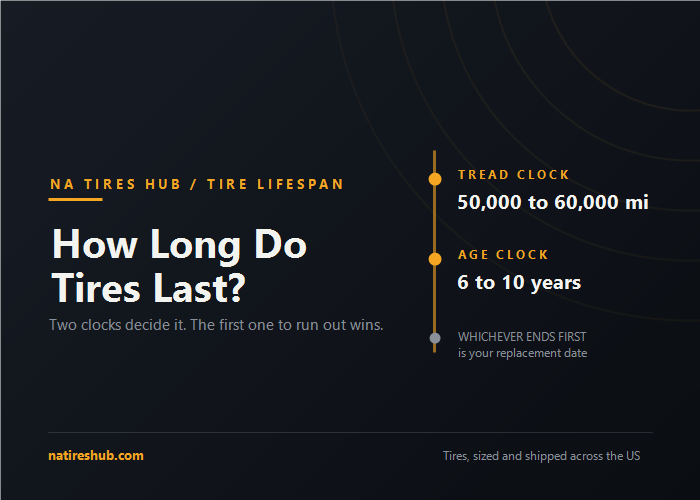
Table of contents
A tire does not come with an expiration sticker, and the mileage number on the warranty is not a promise. Two separate clocks decide when a tire is finished: how fast the tread wears away, and how long the rubber has been aging. Whichever clock runs out first ends the tire, and for a lot of American drivers it is not the one they are watching.
Quick answer
Most passenger tires last 3 to 5 years, or roughly 50,000 to 60,000 miles of normal driving. Tread wear ends most tires first. If you drive very little, age takes over instead: have tires inspected yearly once they pass five years, and replace them by ten years from the date code no matter how the tread looks.
How long should tires last on average?
For a typical car or crossover on all-season tires, plan on 3 to 5 years of service. Put that in miles and it usually lands between 50,000 and 60,000, though touring tires built for long wear can go further and soft performance tires can be done at half that. The spread is wide because the number is not really about the tire. It is about your roads, your climate, your right foot, and whether the tires were kept at the right pressure.
The simplest way to translate years into miles is your own odometer. If you cover the 12,000 to 15,000 miles a year that is common for US drivers, a set rated around 60,000 miles of tread life works out to roughly four years. Drive 25,000 miles a year for work and the same set is finished in a little over two. Drive 5,000 miles a year and the tread may still look fine at year eight, which is exactly the situation where age quietly becomes the deciding factor.
The tread clock: how many miles you actually get
Tread life varies more by tire category than by brand. A tire engineered to grip hard in summer heat uses a softer compound that wears faster, and that is a design trade, not a defect. Here is what each category typically delivers.
Tire type | Typical service life | What usually ends it |
|---|---|---|
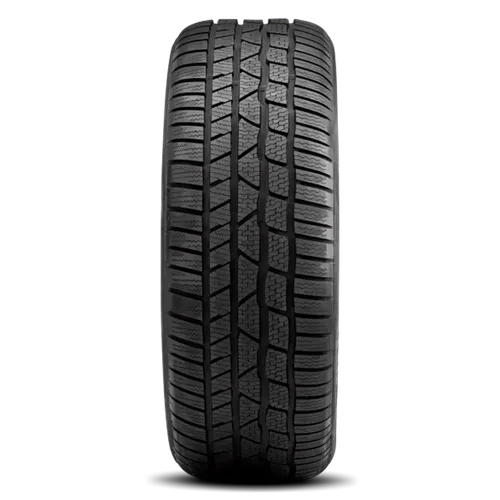
Touring and grand touring all-season | 4 to 6 years, 50,000 to 75,000 miles | Tread wear |
Standard all-season | 3 to 5 years, 40,000 to 60,000 miles | Tread wear |
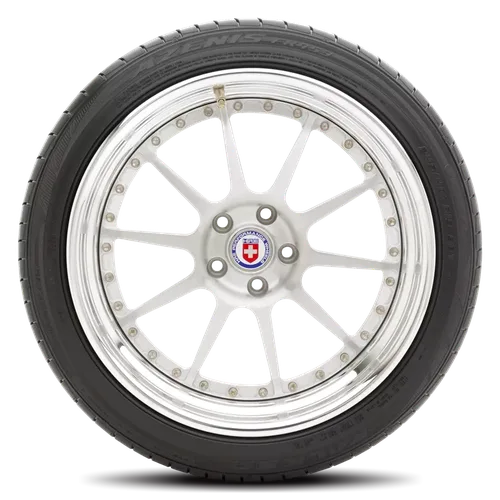
Summer and performance | 2 to 4 years, 20,000 to 40,000 miles | Soft compound wears fast |
Winter and snow | 3 to 5 winter seasons | Seasonal use, then tread and hardening |
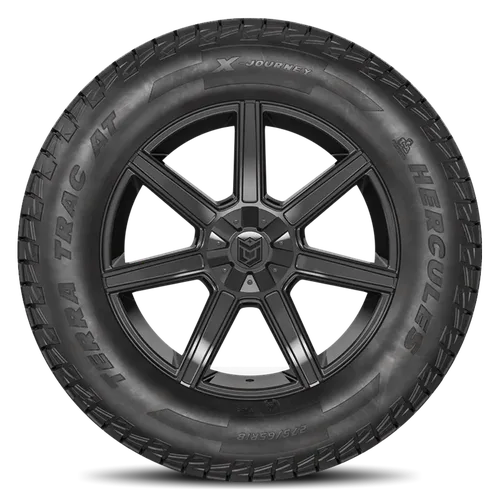
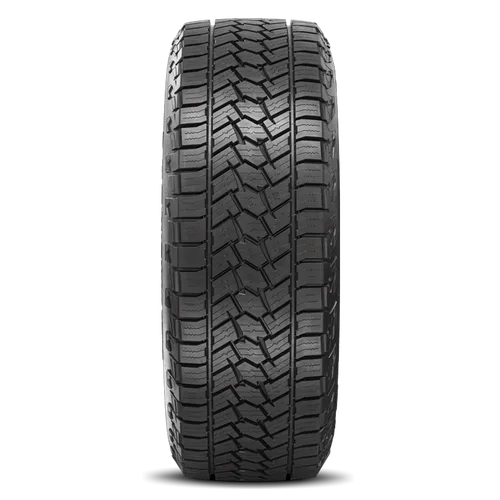
All-terrain and light truck | 3 to 5 years, 40,000 to 60,000 miles | Load, gravel, and uneven wear |
Trailer and utility (ST) | 3 to 5 years | Age and sun, usually before the tread |
Treat those as category norms, not guarantees. The warranty sheet for your exact model is the only figure with any weight behind it, and even that is conditional: mileage treadwear warranties are typically prorated and depend on you keeping rotation and inflation records. Terms differ by model and by seller, so read the sheet that came with the tires rather than a number you saw on a box.
The UTQG treadwear grade molded into many passenger tire sidewalls is not a mileage figure either. It is a comparative rating the manufacturer assigns after running the tire on a controlled government test course, so a 600 wears more slowly than a 400 within that maker's own lineup. It is not a promise of 60,000 miles. Winter tires, temporary spares and deep-tread tires are exempt from UTQG grading under federal rules, and LT and ST tires are not passenger car tires at all, so plenty of what sits on American trucks and trailers carries no grade to compare.
The age clock: how long can tires last?
Rubber ages whether the tire is rolling or parked. Heat, sunlight, oxygen and ozone slowly harden the compound, which is why a low-mileage tire with deep tread can still be finished. You cannot see most of this from the outside, so the industry works to a calendar instead.
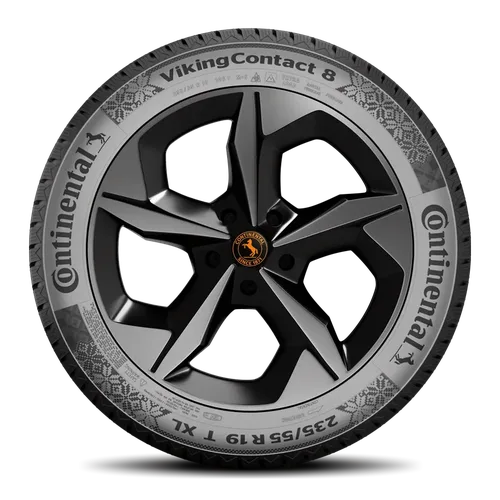
The date is stamped on the sidewall. Find the DOT code and read the last four digits: the first two are the week of manufacture, the last two are the year. A code ending 3223 means the 32nd week of 2023. If you are not sure where to look, our guide to reading a tire sidewall shows what each marking means.
The widely followed guidance runs like this. Once a tire passes five years from that date, have it inspected by a professional every year. Many vehicle manufacturers tell owners to consider replacement at six years. Almost every manufacturer sets an outer limit of ten years from the date code, at which point the tire should come off regardless of tread depth or how new it looks. That applies to the spare in your trunk too, which is often the oldest tire on the vehicle and the one nobody checks until it is needed.
Visible age damage shows up as fine cracking in the tread grooves or along the sidewall, sometimes called dry rot, along with a dull, hardened surface. Cracking, bulges or blisters mean the tire is done that day, not at the next service. If your date code is past six years or you are seeing cracks, it is worth pricing a replacement set before you are forced into a rushed decision.
Find tires in your size
It's on your tire's sidewall or the driver-side door placard — e.g. 205/55R16
What shortens tire life the most
Most tires that die early were not worn out by mileage. They were worn out by something fixable.
Underinflation. The single biggest one. A soft tire flexes more, runs hotter, and scrubs its shoulders off. Checking pressure monthly costs nothing, and our guide on how to check tire pressure covers the placard figure to use.
Skipped rotations. Drive tires wear faster than the others. Rotating on schedule spreads that wear so all four finish together instead of two at a time.
Alignment problems. A car pulling slightly out of alignment can shave one edge of a tire down in a few thousand miles.
Heat and sun. Sustained high temperatures and UV exposure age rubber faster. Tires on a vehicle parked outside in Phoenix age faster than the same tires in a garage in Seattle.
Hard driving. Fast starts, late braking and enthusiastic cornering all trade tread for fun.
Overloading. Running above the load index on the sidewall, common on work trucks and trailers, builds heat and cuts life short.
Curbs and potholes. One good impact can damage the internal structure without leaving much of a mark outside.
How to work out what your tires have left
Five minutes in the driveway gives you a real answer instead of a guess.
Read the date code. Note the week and year on each tire, including the spare. Anything past six years goes on the watch list, anything at ten years is finished.
Measure the tread. New passenger tires start around 10/32 to 11/32 of an inch. The legal minimum in most states is 2/32. Our walkthrough on how to check tire tread covers the penny test and the safer quarter test.
Do the math. Compare how much tread you have used against the miles you have driven on the set, then project forward at your annual mileage.
Inspect the rubber. Look for cracking, bulges, cuts and uneven wear across all four. The signs that mean it is time for new tires are worth knowing before they show up.
Take the earlier answer. Tread and age are two clocks. Whichever expires first is your replacement date.
Key takeaways
Most passenger tires last 3 to 5 years or about 50,000 to 60,000 miles, with wide variation by category.
Two clocks run at once: tread wear and rubber age. The first one to expire ends the tire.
Read the DOT date code. Inspect yearly after five years, consider replacing at six, replace by ten.
A mileage treadwear warranty is prorated and conditional, not an expected lifespan.
Underinflation, missed rotations and alignment problems kill more tires than mileage does.
The bottom line
Three to five years is the honest planning number for most drivers, and 50,000 to 60,000 miles is the honest mileage version of it. What decides where you land inside that range is mostly maintenance: correct pressure, rotations on schedule, and an alignment check when the car starts pulling. Write down the date code on your current set, check the tread once a month, and replace on whichever clock runs out first. Tires are the only part of the car touching the road, and they are the cheapest safety upgrade you can make when their time is up.
Ready for new tires?
Search live prices in your exact size, shipped from our US warehouses.
Shop tires by sizeFrequently Asked Questions
Have questions? We've got answers.
Sources & references
Disclaimer: This content is for general informational purposes only and is not a substitute for professional automotive advice. Always confirm tire size, load rating, and inflation pressure against your vehicle's door placard and owner's manual, and consult a qualified tire professional before making changes to your vehicle's tires.