How to Read Tire Size: Step-by-Step Guide
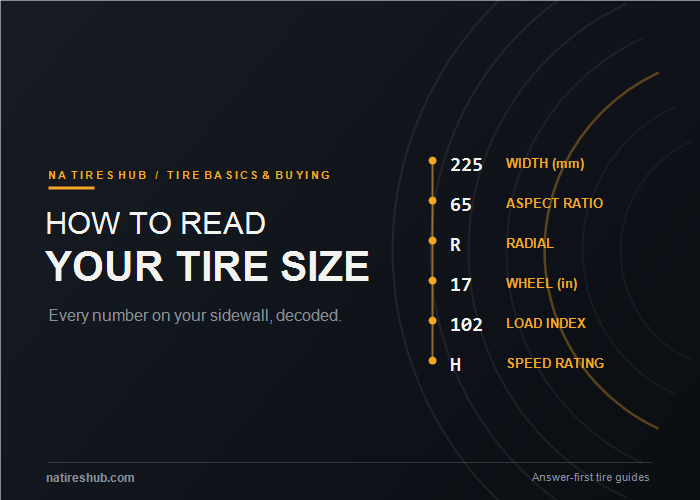
Table of contents
- Where to find your tire size
- What each part of 225/65R17 102H means
- Why the aspect ratio matters more than it looks
- How to read your tire size in five steps
- What do the numbers on a tire mean beyond the size?
- Load index and speed rating, and why you should never downgrade them
- Which number is the actual tire size?
- Where else your tire size appears
- The verdict
Every tire sold in the United States has its full size stamped right into the sidewall, yet most drivers have never been shown how to read it. Once you can, buying the correct replacement takes about thirty seconds and you never have to guess or rely on someone else to look it up. Here is the entire code, decoded with a real example.
Quick answer
A tire size like 225/65R17 102H reads left to right: 225 is the width in millimeters, 65 is the sidewall height as a percentage of that width, R means radial, 17 is the wheel diameter in inches, 102 is the load index, and H is the speed rating. Match all of it to your door placard.
Where to find your tire size
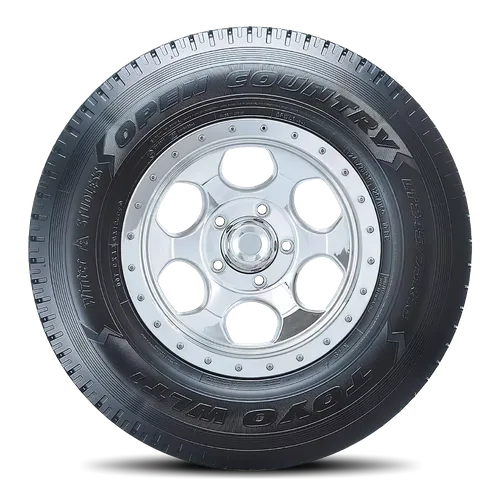
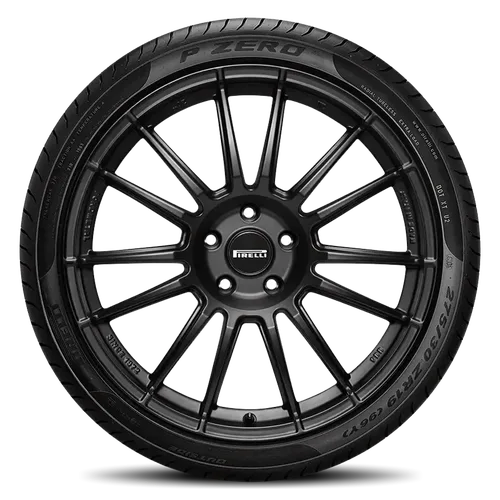
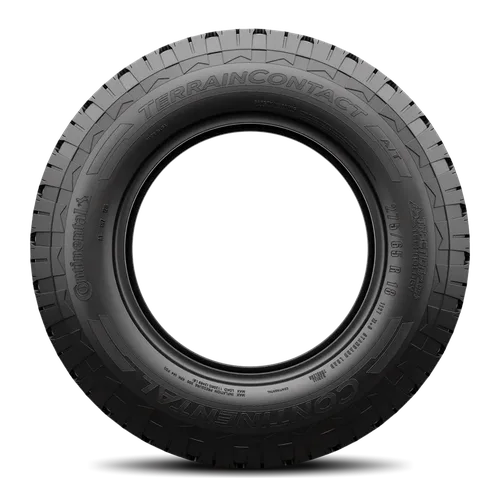
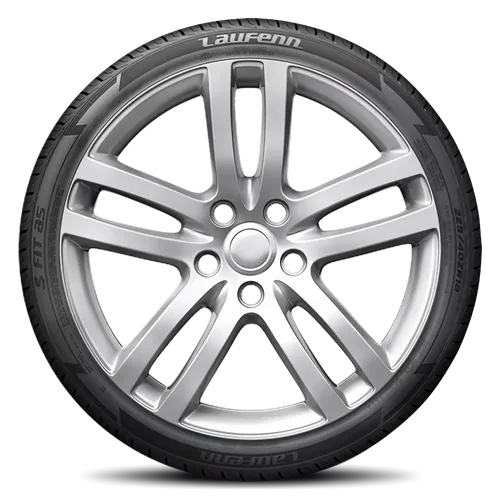
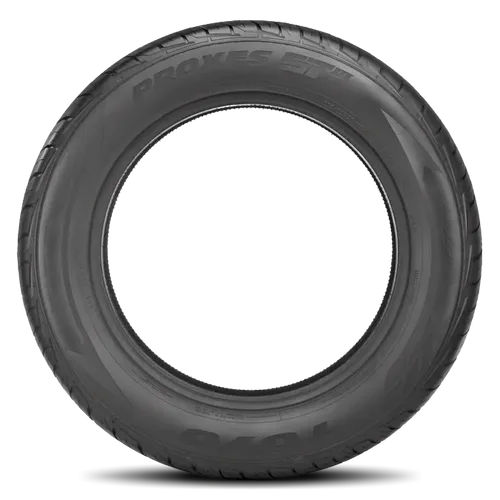
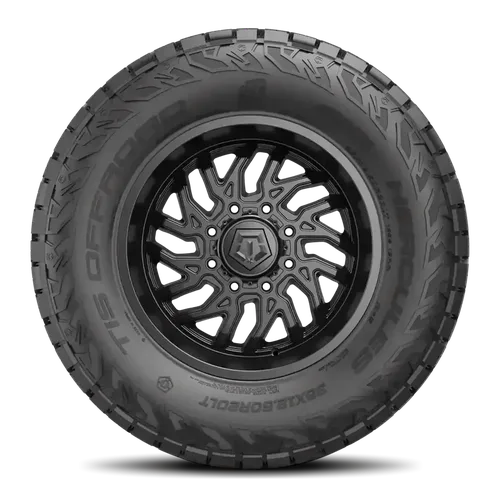
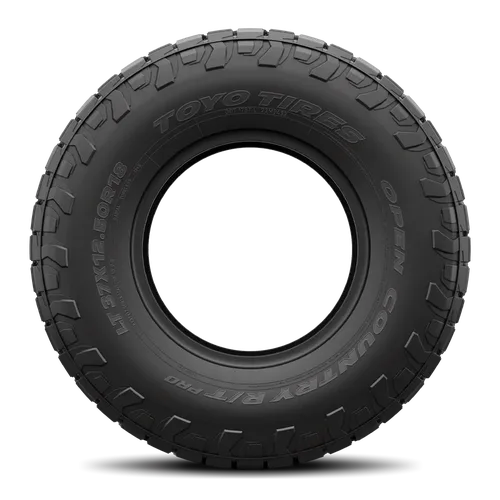
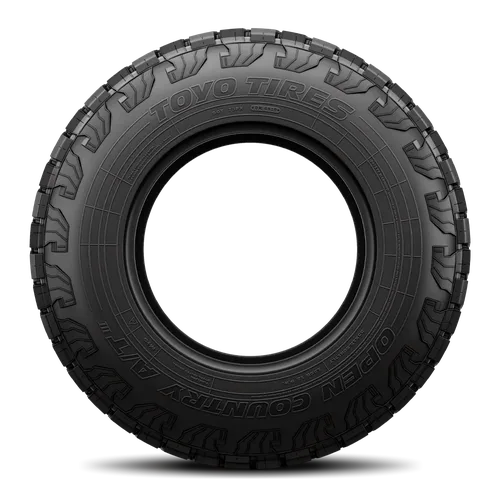
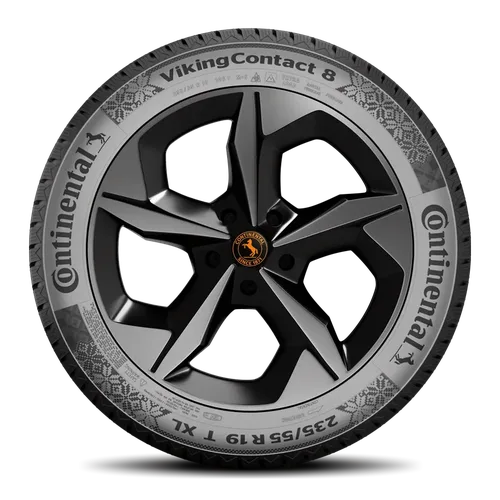
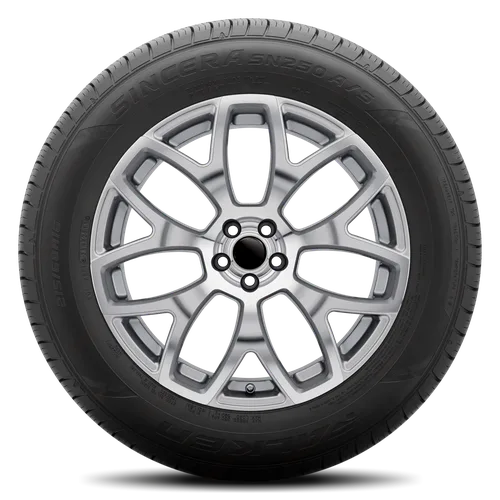
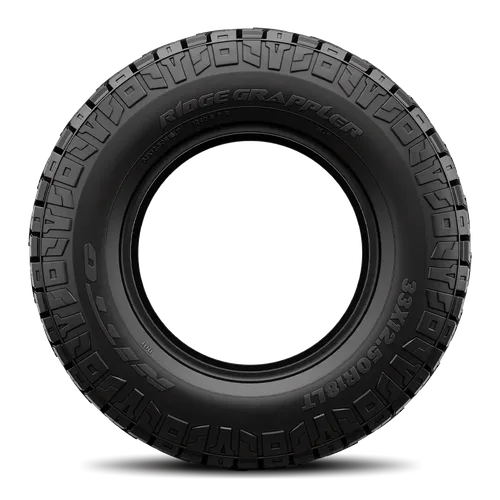
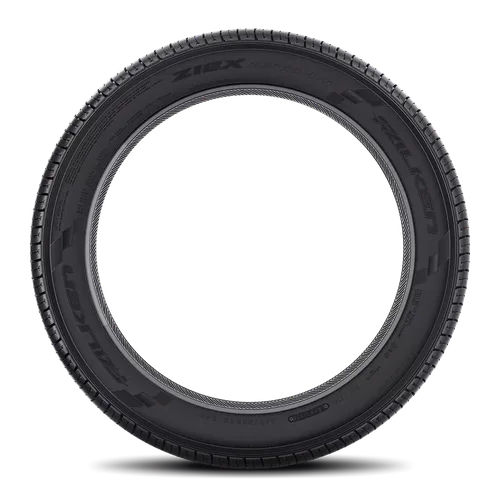
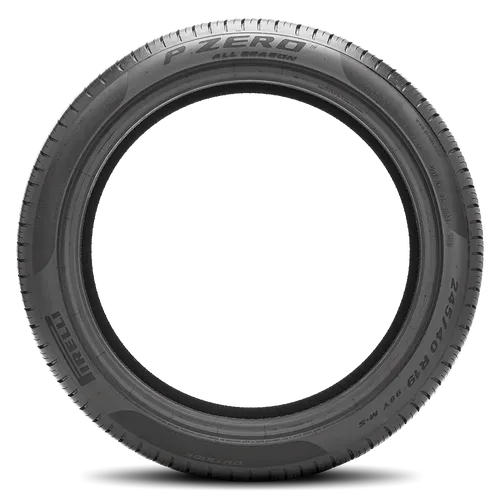
There are two reliable places. The first is the tire sidewall itself, where a string like 225/65R17 102H is molded into the rubber. The second is the vehicle placard, a sticker on the driver-side door jamb that lists the size your vehicle was built for. If the two ever disagree, the placard is the size to trust, because a previous owner may have fitted something different.
What each part of 225/65R17 102H means
Read the code from left to right. Each block describes one physical property of the tire.
| Code | What it means |
|---|---|
| 225 | Section width in millimeters, measured across the widest part of the tread. |
| 65 | Aspect ratio: the sidewall height is 65 percent of the width. A lower number means a shorter sidewall. There is more to it than height alone, and we work through the calculation and what changing it does in tire aspect ratio explained. |
| R | Radial construction. Almost every modern passenger tire is radial. |
| 17 | Wheel (rim) diameter in inches. This tire fits a 17-inch wheel. |
| 102 | Load index, a coded figure for the maximum weight the tire can carry. 102 equals 1,874 lbs per tire. |
| H | Speed rating, the maximum sustained speed the tire is built for. H is rated to 130 mph. |
Some sizes carry a letter before the width, such as P225/65R17 or LT225/65R17. P means P-metric, the passenger-car standard in the US. LT means light truck, built for heavier loads and higher pressures. No letter usually means Euro-metric, which is effectively interchangeable with P-metric in most fitments. If your placard calls for LT, do not substitute a P tire. If you are shopping LT or flotation sizes, our Gladiator tires review covers a brand built almost entirely around them.
Why the aspect ratio matters more than it looks
The middle number quietly changes how your car rides and handles. A higher number like 70 means a taller sidewall, which soaks up bumps and helps protect the wheel from potholes. A lower number like 45 means a short, stiff sidewall that sharpens steering response but passes more of the road through to you. Move it too far from the original and your speedometer will read wrong and the ride will change character, so keep the aspect ratio close to your placard unless you are deliberately building a plus-size setup with a tire professional.
How to read your tire size in five steps
- Face the sidewall and find the block of numbers formatted like 000/00R00.
- Read the first three digits as the width in millimeters.
- Read the two digits after the slash as the aspect ratio.
- Note the letter, usually R, and the wheel diameter that follows it.
- Read the two or three digits and the final letter as the load index and speed rating.
Do this once on your own car and the pattern sticks. If you want to shop straight from your size, enter it below and see what fits.
Find tires in your size
It's on your tire's sidewall or the driver-side door placard — e.g. 205/55R16
What do the numbers on a tire mean beyond the size?
The size is the headline, but the sidewall carries more. Find the DOT code, which ends in four digits giving the week and year the tire was made, so 2419 means the 24th week of 2019. You will also see the UTQG rating, three marks for treadwear, traction, and temperature that let you compare tires of the same type. The M+S letters or the three-peak mountain snowflake symbol tell you the tire's winter capability. You will also spot a line like MAX LOAD and MAX PRESSURE molded into the rubber. That figure is the tire's own ceiling, not the pressure you should run. Your correct inflation always comes from the door placard, not the sidewall.
Load index and speed rating, and why you should never downgrade them
These last two marks are limits, not suggestions. The load index sets the most weight one tire can safely carry, and the speed rating sets the top speed it is built to sustain. Your vehicle was engineered around specific values, so fitting a tire below either one is a real safety compromise, even when it saves a few dollars. Going higher is fine, going lower is not. Common speed ratings line up like this:
| Speed rating | Maximum sustained speed |
|---|---|
| T | 118 mph |
| H | 130 mph |
| V | 149 mph |
| W | 168 mph |
| Y | 186 mph |
If your original tires are rated H, buy H or better. The same rule applies to the load index: match the number on your placard or exceed it, and if you regularly tow or haul, ask a tire professional whether a reinforced or higher-load option is the safer pick.
Which number is the actual tire size?
People often ask which single number to give a tire shop. The answer is the whole string, not one number. A bare 17 only tells the wheel size, and 225/65R17 without the load index and speed rating leaves out how much the tire can carry and how fast it is rated to run. Always quote the full code, and add the load index and speed rating when you want an exact match to your original tires.
Where else your tire size appears
If the sidewall is dirty or worn, the same size is printed in three other spots: the driver-side door placard, the owner's manual, and often inside the fuel-filler flap or the glovebox lid. These list the vehicle's original specification, which is the safest size to buy unless a tire professional has advised a deliberate change.
That same size code decides more than fit. Carriers price a tire on the space it takes up rather than what it weighs, which makes the numbers on your sidewall a large part of what tire shipping ends up costing.
Key takeaways
- Read the size left to right: width, aspect ratio, construction, wheel diameter, load index, speed rating.
- 225/65R17 102H means 225 mm wide, 65 percent profile, radial, 17-inch wheel, 1,874 lb load, 130 mph rated.
- The letter before the size (P, LT, or none) tells you the tire's service type, and it matters.
- The door placard is the size to trust if it ever disagrees with the sidewall.
- Never drop below the load index or speed rating your vehicle calls for.
The verdict
Reading a tire size is a two-minute skill that saves you money and keeps you safe. Learn your own code, write it down, and confirm it against the door placard before you buy. Match the width, aspect ratio, wheel diameter, load index, and speed rating, and any tire that carries your size will physically fit. When you are ready, look up your exact size and compare what is in stock.
Ready for new tires?
Search live prices in your exact size, shipped from our US warehouses.
Shop tires by sizeFrequently Asked Questions
Have questions? We've got answers.
Sources & references
Disclaimer: This content is for general informational purposes only and is not a substitute for professional automotive advice. Always confirm tire size, load rating, and inflation pressure against your vehicle's door placard and owner's manual, and consult a qualified tire professional before making changes to your vehicle's tires.