How to Check Tire Pressure: A Simple Step-by-Step Guide
Table of contents
- What you need to check tire pressure
- Find your correct tire pressure first
- How to check tire pressure step by step
- When and how often to check
- Recommended pressure at a glance
- How to add air to your tires
- What the TPMS warning light means
- Why correct tire pressure matters
- Common tire pressure mistakes to avoid
- The bottom line
Checking your tire pressure is one of the simplest, cheapest things you can do for your car, and it pays you back in safety, longer tire life, and better fuel economy. Yet most drivers only think about it when a warning light appears, which is already too late. The good news is that checking your pressure takes about five minutes and needs just one inexpensive tool. Here is exactly how to do it the right way.
Quick answer
To check tire pressure, use a tire pressure gauge on cold tires, before you have driven far. Unscrew the valve cap, press the gauge onto the valve stem, and read the PSI. Compare it to the recommended pressure on the sticker inside your driver-side door, then add or release air until they match. Check all four tires and the spare monthly.
What you need to check tire pressure
You only need one tool: a tire pressure gauge. There are three common types, and any of them works when used correctly.
- Digital gauge. Easiest to read, battery powered, and usually the most accurate. A great first choice.
- Stick or pencil gauge. Cheap, pocket sized, and reliable, though the sliding scale takes a moment to read.
- Dial gauge. A round analog face with a needle, durable and clear, often found in shops.
Many gas stations have a gauge built into their air pump, but those are often worn and inaccurate, so owning your own is worth the few dollars it costs.
Find your correct tire pressure first
Before you measure anything, you need to know your target number. The correct pressure for your vehicle is set by the automaker, not by the tire. You will find it on a sticker inside the driver-side door jamb, and also in your owner's manual. It is listed in PSI, which stands for pounds per square inch, and most passenger cars call for somewhere between 30 and 35 PSI.
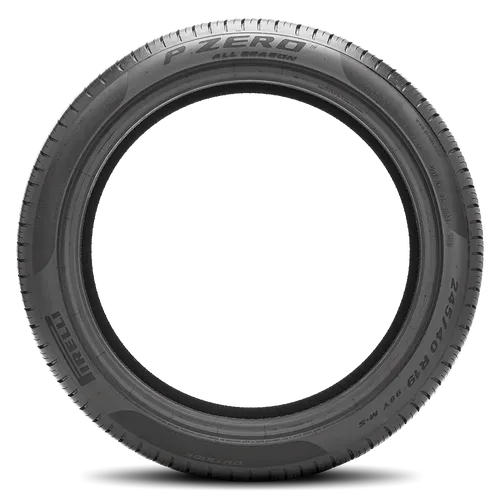
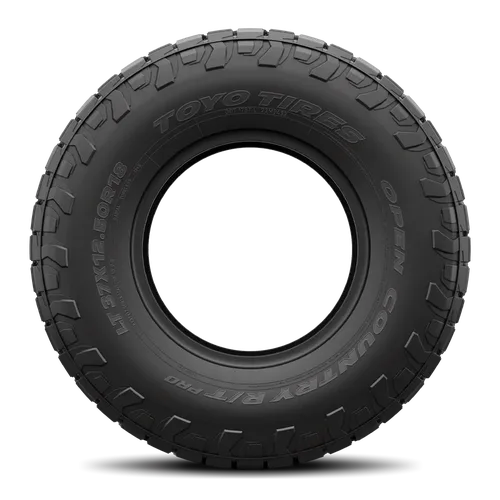
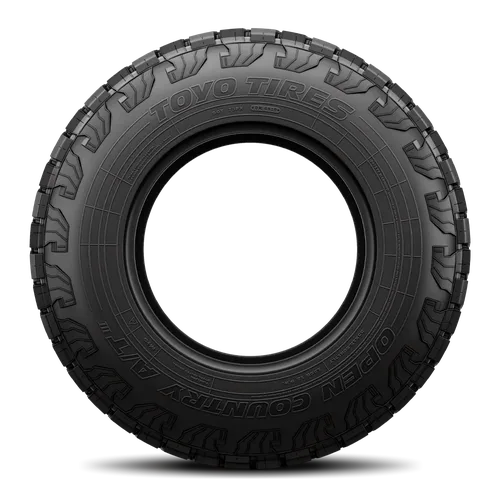
Do not use the number molded into the tire sidewall. That figure is the tire's maximum pressure, not the recommended pressure for your car, and filling to it will overinflate your tires. Always go by the door placard.
How to check tire pressure step by step
Once you have a gauge and know your target PSI, the process is quick:
- Check when tires are cold. Measure before driving, or after the car has sat for at least three hours. Driving heats the air inside and raises the reading falsely.
- Remove the valve cap. Unscrew the small cap on the tire valve and keep it somewhere safe so it does not roll away.
- Press the gauge onto the valve. Push the gauge firmly and evenly onto the valve stem. A brief hiss is normal; a long hiss means it is not seated straight.
- Read the pressure. The gauge shows the current PSI. Note it for that tire.
- Compare and adjust. If the reading is below your target, add air. If it is above, press the small pin in the valve to release a little, then measure again.
- Repeat for all four tires, and the spare. Pressures can differ from tire to tire, so check each one, then replace every valve cap.
When and how often to check
Check your tire pressure at least once a month, and always before a long road trip. Tires naturally lose about one PSI per month, and they lose more as the weather turns cold. In fact, temperature is the biggest hidden cause of low pressure: for roughly every 10 degrees Fahrenheit the temperature drops, your tires lose about one PSI. That is why warning lights so often appear on the first cold morning of the season. A quick monthly check keeps you ahead of it.
Recommended pressure at a glance
| Vehicle type | Typical recommended PSI | Where to confirm |
|---|---|---|
| Compact and midsize car | 30 to 35 PSI | Driver-side door placard |
| SUV and crossover | 32 to 36 PSI | Driver-side door placard |
| Light truck and pickup | 35 to 45 PSI | Driver-side door placard |
These are general ranges only. Your exact number is always the one on your vehicle's placard, since it accounts for your specific car, tire size, and load.
How to add air to your tires
If a tire is low, drive to the nearest air pump, keeping the trip short so the tires stay as cool as possible. Attach the pump nozzle to the valve, add air in short bursts, and check with your own gauge between bursts so you do not overshoot. If you accidentally add too much, press the valve pin to let a little out. Refit the valve cap when the pressure matches your target. To understand the size and rating markings on the sidewall while you are down there, see our guide on how to read your tire size.
What the TPMS warning light means
Most vehicles built since 2008 have a tire pressure monitoring system, or TPMS, that lights up a horseshoe shaped symbol on your dashboard when a tire is significantly low, usually 25 percent or more below target. Treat it as a prompt to check all four tires with your gauge, not as a full pressure reading. Remember that TPMS reacts to real drops in temperature too, so a light on a cold morning is common. Once you top up the low tire, the light usually turns off after a short drive.
Why correct tire pressure matters
Proper inflation is not just about avoiding a flat. Underinflated tires flex and overheat, which is a leading cause of blowouts, and they wear out faster on the edges. They also increase rolling resistance, which lowers your fuel economy and costs you money at the pump. Overinflated tires ride harshly, wear out in the center, and grip less in an emergency stop. Keeping every tire at its recommended PSI gives you the safest handling, the longest tread life, and the best mileage, all from a five minute monthly habit.
Key takeaways
- Check tire pressure with a gauge on cold tires, before driving far.
- Use the PSI on the driver-side door placard, never the maximum number on the sidewall.
- Most cars need 30 to 35 PSI; confirm your exact number on the placard.
- Check monthly and before trips, since tires lose about 1 PSI per month and 1 PSI per 10 degree temperature drop.
- A TPMS light means at least one tire is 25 percent low; check all four with your gauge.
Common tire pressure mistakes to avoid
A few simple errors trip up most drivers. Checking pressure right after a long drive gives a falsely high reading, so the tire ends up underinflated. Filling to the sidewall maximum instead of the door placard leaves tires overinflated and harsh. Forgetting the spare means it may be flat when you finally need it. And ignoring the TPMS light on a cold morning lets a real leak hide behind a seasonal drop. Avoid these four and your checks will actually keep you safe.
The bottom line
Checking tire pressure is a five minute job that protects your safety, your wallet, and your tires. Buy an inexpensive gauge, learn your target PSI from the door placard, and make a habit of checking all four tires and the spare once a month, especially as the seasons change. It is one of the highest value maintenance habits any driver can build.
Ready for new tires?
Search live prices in your exact size, shipped from our US warehouses.
Shop tires by sizeFrequently Asked Questions
Have questions? We've got answers.
Sources & references
Disclaimer: This content is for general informational purposes only and is not a substitute for professional automotive advice. Always confirm tire size, load rating, and inflation pressure against your vehicle's door placard and owner's manual, and consult a qualified tire professional before making changes to your vehicle's tires.