When to Replace Your Tires: 6 Signs You Shouldn't Ignore
Table of contents
Tires are the only part of your car that touches the road, and they wear out slowly enough that most drivers miss the moment they stop being safe. A tire does not have to be bald to be dangerous - grip in the wet falls off a cliff long before you reach the legal limit. Here are the six signs worth acting on, and exactly how to check each one yourself.
Quick answer
Replace your tires when tread reaches 2/32 inch (a penny test failure), when you see the wear bars flush with the tread, or when any tire is more than six years old regardless of tread. Cracking, bulges, repeated pressure loss, or vibration also mean it is time for a professional inspection.
1. Tread depth at or below 2/32 inch
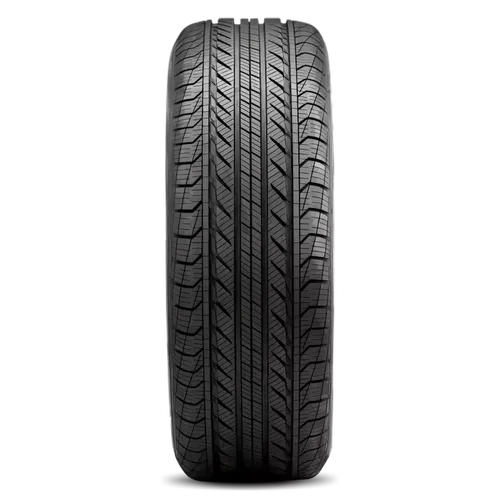
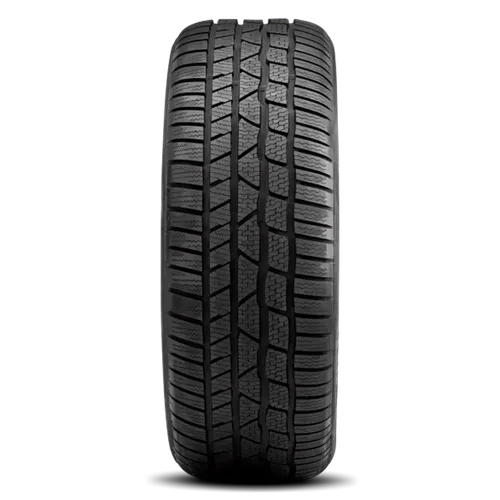
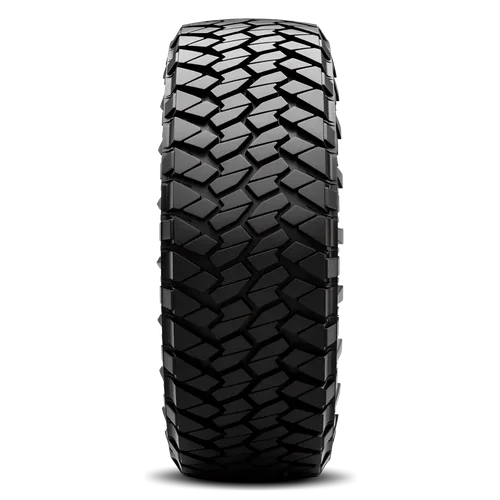
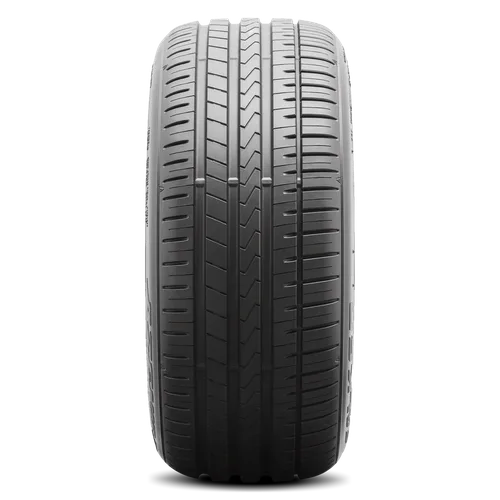
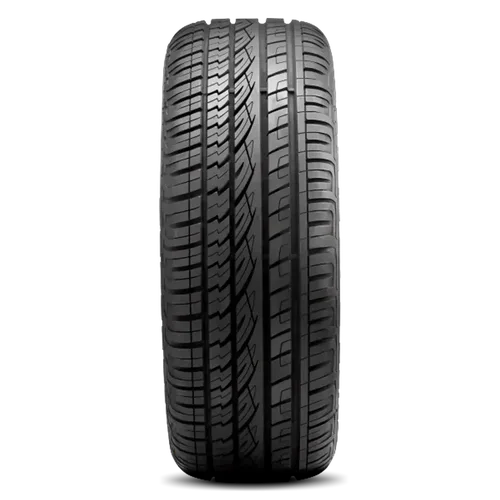
Tread channels water out from under the tire. As it wears down, less water escapes and the tire starts to float on a film of it - hydroplaning. The legal minimum in most states is 2/32 inch, but wet braking has already degraded badly by then. Many safety bodies recommend replacing at 4/32 inch for that reason.
The classic check is the penny test. Insert a penny into the tread groove with Lincoln's head pointing down. If you can see the top of his head, you are at or below 2/32 inch and the tire is done.
2. The wear bars are showing
Every modern tire has built-in wear indicators - small raised bars that sit inside the grooves at exactly 2/32 inch. When the surrounding tread wears down to meet them, the bars become flush with the tread surface and you will see solid rubber bands running across the tire. That is the manufacturer telling you the tire has reached its limit.
Tread depth | What it means |
|---|---|
6/32" or more | Healthy - full wet grip |
4/32" | Start shopping - wet braking dropping off |
2/32" | Legally worn out - replace now |
Below 2/32" | Unsafe and illegal in most states |
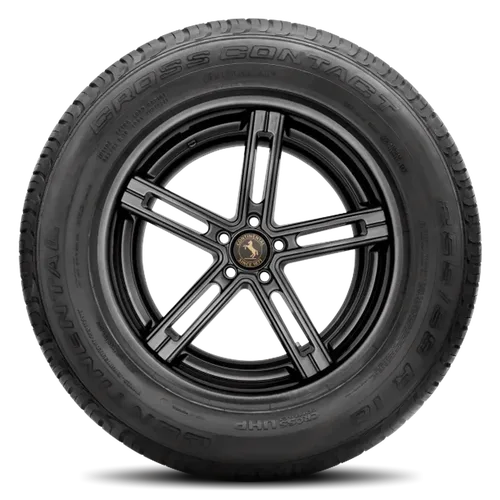
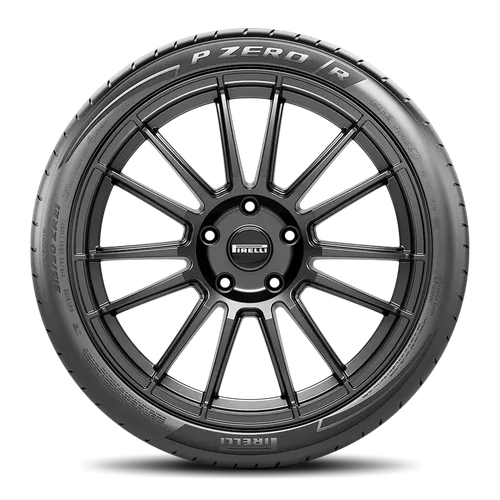
Not sure what size you need to shop for? It is on the sidewall, formatted like 225/65R17.
Find tires in your size
It's on your tire's sidewall or the driver-side door placard — e.g. 205/55R16
3. The tires are more than six years old
Rubber degrades with time even if the tread looks deep. The compound dries out, loses flexibility, and the internal structure weakens - a process that has nothing to do with mileage. Most manufacturers advise replacement at six years, and a hard limit of ten years from the date of manufacture no matter how much tread remains. How much life you should expect in the first place is a separate question, and we work through both clocks in how long tires last.
Find the DOT code on the sidewall. The last four digits are the week and year of manufacture - "2419" means the 24th week of 2019.
4. Cracking, bulges, or blisters
Look along the sidewall in good light. Fine spiderweb cracks mean the rubber is aging or has had a lot of sun and ozone exposure. A bulge or blister is more urgent: it means the internal belts have separated and the tire could fail suddenly at speed. Any bulge is a stop-driving-and-replace situation.
5. Uneven wear across the tread
How a tire wears tells you what is wrong with the car: Uneven wear is usually a rotation problem before it is a replacement problem, so check how often to rotate tires before you buy a new set.
Both edges worn, center fine: chronic underinflation.
Center worn, edges fine: chronic overinflation.
One edge only: alignment (camber) is out.
Patchy or cupped: worn suspension components or bad balance.
Uneven wear usually means one or two tires are finished early. Fix the underlying cause before fitting new rubber, or the new set will wear the same way. When you do buy, a value brand covers most common sizes for a fraction of a premium set, and Mohawk tires are a worked example of what that money actually gets you.
6. Vibration, noise, or pulling
A new vibration through the wheel, a droning noise that rises with speed, or the car pulling to one side can all point to a tire problem - internal damage, a flat spot, or separation. None of these fix themselves. Get the car inspected rather than waiting to see if it goes away.
How to check your tread in 60 seconds
Grab a penny and pick a tire.
Insert the penny into the shallowest-looking groove, Lincoln head down.
If the top of his head is fully visible, that tire is at 2/32 inch or less - replace it.
Repeat at the inner, center, and outer grooves to catch uneven wear.
Do all four tires. They rarely wear at the same rate.
Should you replace all four at once?
On all-wheel-drive vehicles, usually yes - a mismatch in rolling diameter between axles can strain the drivetrain, so many makers require all four within a small tread tolerance. On front- or rear-wheel drive you can replace in pairs, but always fit the newer pair to the rear axle for stability in the wet, even on a front-wheel-drive car.
Key takeaways
2/32 inch is the legal limit, but wet grip is already poor - many replace at 4/32 inch.
Wear bars flush with the tread mean the tire is officially worn out.
Replace any tire over six years old regardless of how it looks; ten years is a hard limit.
Bulges and blisters mean stop driving now - the belts have separated.
Uneven wear points to a car problem; fix it before buying new tires.
Ready for new tires?
Search live prices in your exact size, shipped from our US warehouses.
Shop tires by sizeFrequently Asked Questions
Have questions? We've got answers.
Sources & references
Disclaimer: This content is for general informational purposes only and is not a substitute for professional automotive advice. Always confirm tire size, load rating, and inflation pressure against your vehicle's door placard and owner's manual, and consult a qualified tire professional before making changes to your vehicle's tires.