How to Check Tire Tread: Penny Test and More
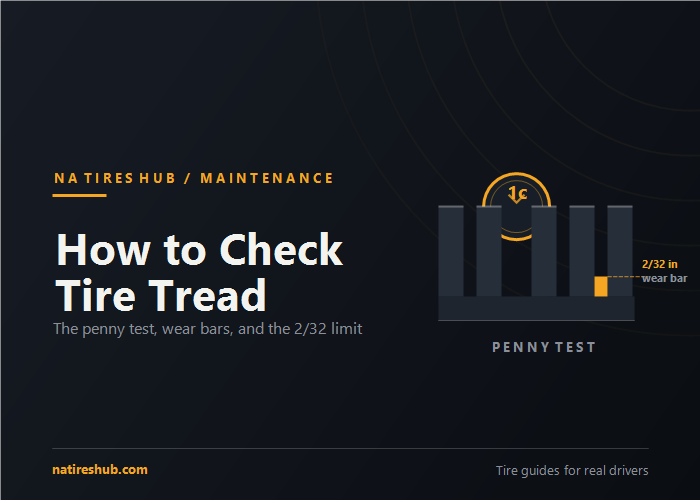
Table of contents
Your tires grip the road through their tread, and as that tread wears down, so does your ability to stop and steer safely, especially in rain. Checking tread depth takes less than a minute and costs nothing, yet it tells you exactly when your tires are still safe and when it is time to shop for new ones. Here are the simple tests you can do today, no tools required.
Quick answer
To check tire tread, do the penny test: insert a penny into the tread with Lincoln's head upside down. If you can see the top of his head, your tread is at or below 2/32 of an inch and the tire is legally worn out, so replace it. For a safer margin in wet weather, use a quarter and replace at 4/32 of an inch.
Why tread depth matters
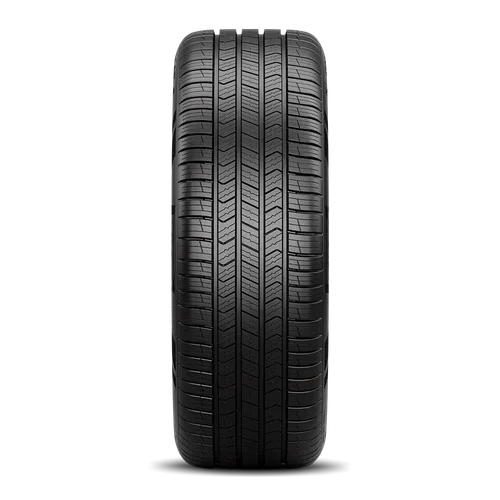
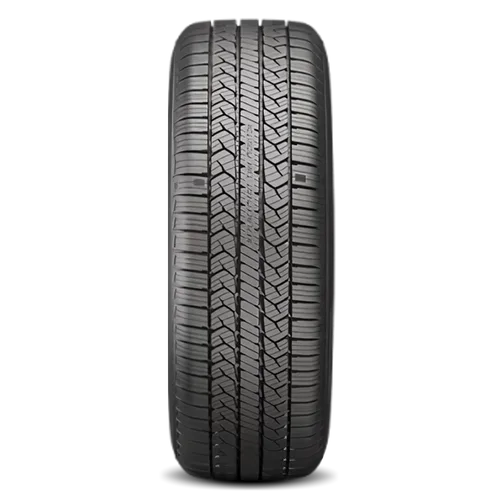
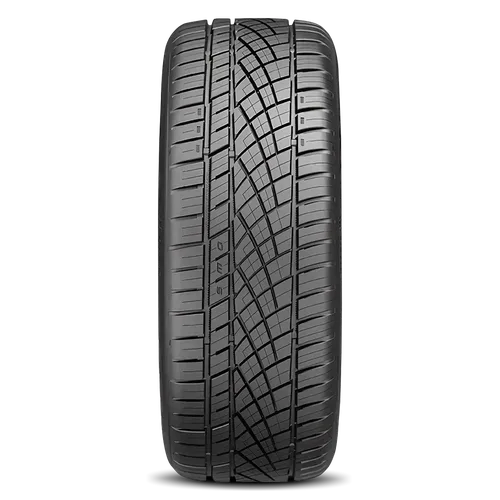
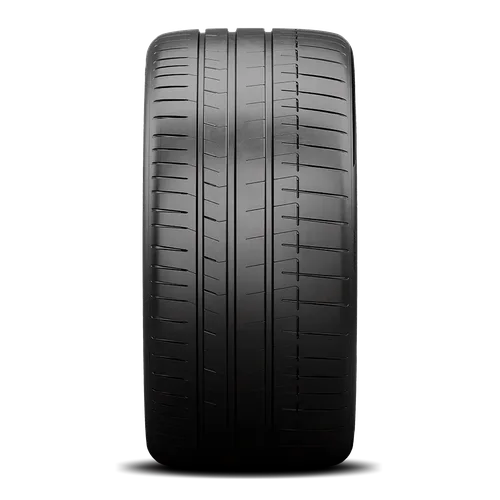
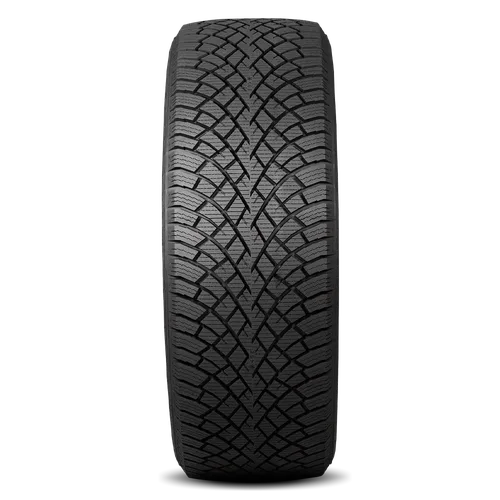
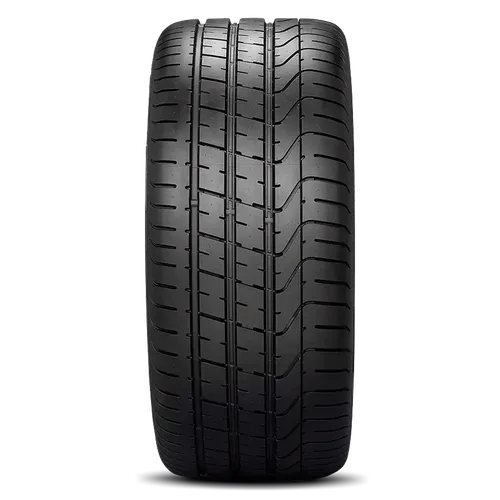
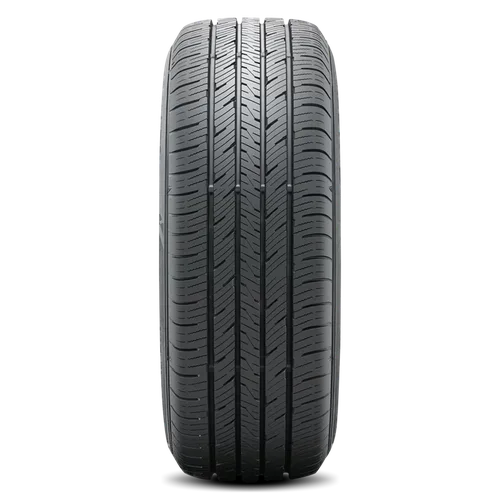
Tire tread channels water away from the contact patch so the rubber can grip the road. As tread wears down, those channels get shallower and clear less water, which lengthens your stopping distance and raises the risk of hydroplaning in the rain. Brand new passenger tires start with about 10/32 to 11/32 of an inch of tread. The legal minimum in most states is 2/32 of an inch, but safety experts recommend replacing well before that. Knowing your number keeps you ahead of the danger zone. If your number says it is time and the budget is tight, Crossleader tires sit at the lower end of what we stock.
The penny test: are your tires legally worn?
The penny test is the classic quick check for the legal wear limit. Here is how to do it:
- Take an ordinary penny and hold it so Lincoln's head points down into the tread.
- Insert the penny into a tread groove.
- Look at how much of Lincoln's head is covered. If part of his head is always hidden by the tread, you still have more than 2/32 of an inch left.
- If you can see the very top of his head, your tread is at or below 2/32 of an inch. The tire is legally worn out and should be replaced.
Check several spots across each tire, since tread rarely wears evenly. If any groove fails the test, treat the tire as done.
The quarter test: a safer margin
The penny test only warns you at the legal limit, which is already unsafe in wet weather. The quarter test gives you an earlier heads-up. Insert a quarter with Washington's head pointing down. If the tread touches the top of his head, you have about 4/32 of an inch left. At that point your tires are noticeably worse in the rain, and it is smart to start planning a replacement rather than waiting for the 2/32 limit.
Use the built-in tread wear indicators
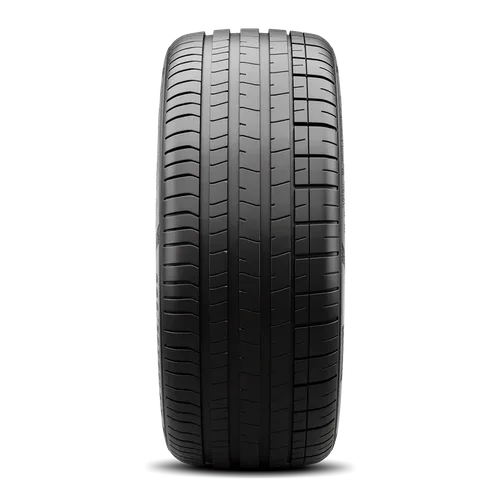
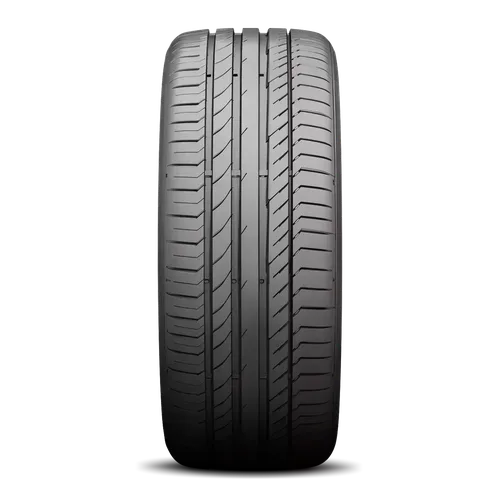
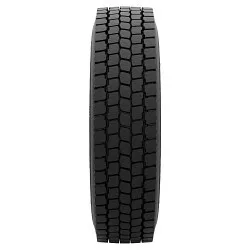
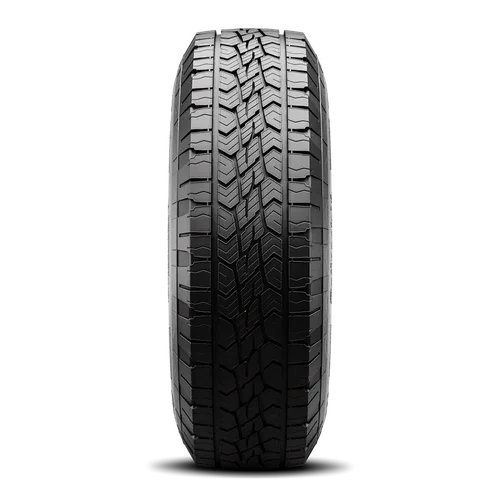
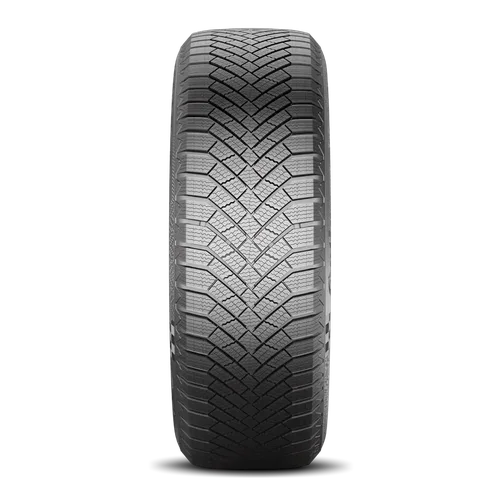
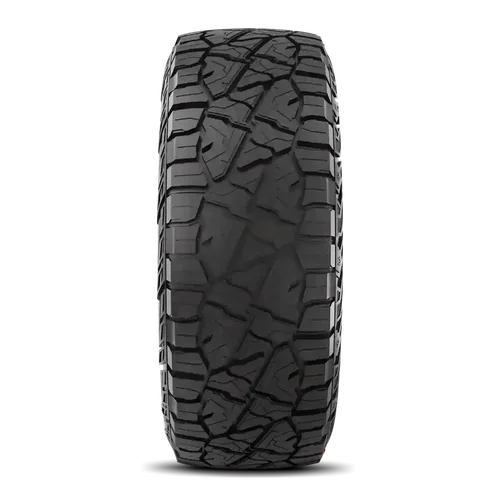
Every modern tire has its own wear gauge built in. Look across the tread grooves and you will see small raised rubber bars running between the tread blocks. These are the tread wear indicators. When the surrounding tread wears down until it is flush and level with these bars, the tire has reached 2/32 of an inch and needs to be replaced. If the bars are level with the tread anywhere around the tire, it is time for new tires.
Use a tread depth gauge for exact numbers
If you want a precise reading instead of a pass or fail, buy an inexpensive tread depth gauge. Press the probe into a groove until the base sits flat on the tread, then read the measurement in 32nds of an inch. A gauge lets you track wear over time, compare front to rear, and spot uneven wear early. It is the most accurate way to know exactly where your tires stand.
Tread depth at a glance
| Tread depth | Condition | What to do |
|---|---|---|
| 10/32 to 11/32 in | Brand new | Nothing, enjoy full grip |
| 6/32 in | Half worn | Keep monitoring monthly |
| 4/32 in | Reduced wet grip | Start planning replacement |
| 2/32 in | Legally worn out | Replace now |
When to replace your tires
Legally, you must replace a tire once it reaches 2/32 of an inch, and the penny test or wear bars will tell you when you are there. For safety, especially if you drive in rain or snow, most experts advise replacing at 4/32 of an inch, since wet stopping distances grow sharply below that point. Age matters too: many manufacturers suggest replacing tires around six years old regardless of tread, because the rubber hardens over time. If you are weighing whether it is time, our guide on when to replace your tires walks through every warning sign.
If your tread is at or near the limit, your size is printed on the sidewall in a format like 225/65R17. Enter it below to see what fits your vehicle.
Find tires in your size
It's on your tire's sidewall or the driver-side door placard — e.g. 205/55R16
Check for uneven wear while you are at it
When you check tread depth, compare different parts of each tire. Uneven wear is a clue to another problem. Wear on both outer edges usually means underinflation, wear down the center means overinflation, and wear on just one side often points to an alignment issue. Catching these early saves tread and money. Keeping your tires at the correct pressure is the simplest prevention, so see our guide on how to check tire pressure to stay on top of it.
Key takeaways
- Use the penny test: if you see the top of Lincoln's head, tread is at 2/32 in and the tire is worn out.
- The quarter test warns earlier, at about 4/32 in, a safer point to replace for wet grip.
- Tread wear indicator bars sit at 2/32 in; when the tread is flush with them, replace.
- A tread depth gauge gives exact readings and helps track wear over time.
- Uneven wear signals a pressure or alignment problem worth fixing.
The bottom line
Checking your tread depth is a one minute habit that directly protects how well your car stops and steers in bad weather. Do the penny test across all four tires once a month, use the quarter test for an earlier safety margin, and watch the built-in wear bars. When the tread reaches the limit, replace without delay. Good tread is the difference between stopping in time and not.
Ready for new tires?
Search live prices in your exact size, shipped from our US warehouses.
Shop tires by sizeFrequently Asked Questions
Have questions? We've got answers.
Sources & references
Disclaimer: This content is for general informational purposes only and is not a substitute for professional automotive advice. Always confirm tire size, load rating, and inflation pressure against your vehicle's door placard and owner's manual, and consult a qualified tire professional before making changes to your vehicle's tires.