Trailer Tires: What ST Means on a Tire, Load Range Chart, Sizes and Speed
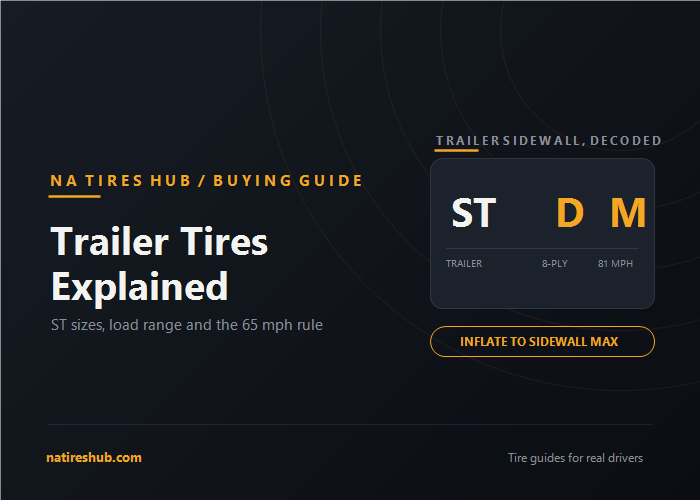
Table of contents
- What does ST mean on a tire?
- How to read a trailer tire size
- Load range and ply rating: the number that matters most
- Trailer tire load range chart for common sizes
- Speed rating: trailer tires have a limit, and it is low
- Inflation: run trailer tires at the sidewall maximum
- Age, not tread: when trailer tires need replacing
- Radial vs bias-ply, and steel-belted ST tires
- Do trailer tires need to be balanced?
- Where a trailer tire can go wrong at purchase
- The verdict
Trailer tires are the tires people think about least and replace worst. They sit in the sun for months, carry more weight per tire than anything on the tow vehicle, and get bought in a hurry the day one lets go on the highway. This guide covers what the ST on the sidewall means, how to read the load range, why the speed limit on a trailer tire matters more than on a car, and how to pick the right one before you are on the shoulder of an interstate.
Quick answer
Buy an ST (Special Trailer) tire in the size on your trailer's placard, with a load range high enough that the tires together carry more than the trailer's loaded weight, inflated to the maximum pressure on the sidewall. Treat ST tires as limited to 65 mph unless they carry a speed letter, and replace them by age, not tread.
What does ST mean on a tire?
ST stands for Special Trailer. An ST tire is built for a trailer axle and nothing else: it does not steer and it does not drive, so its construction is tuned for one job, carrying weight in a straight line without swaying. That means a stiffer sidewall than a passenger tire of the same size, a heavier casing, and a compound chosen for load and heat rather than grip.
The stiff sidewall is the point. A trailer that sways on the highway is often riding on tires that flex too much under load, and a passenger or LT tire in the same size will flex more than an ST. That is why the trailer's placard calls for ST, and why "same size" is not "same tire".
Two things follow from that construction. ST tires carry no UTQG grade, because federal grading applies only to passenger car tires, so there is no treadwear number to compare. And they are not designed for the tow vehicle: an ST tire on a truck's drive or steer axle is the wrong tire in the wrong place.
ST is one of three prefixes you can see at the start of a tire size, and each one marks a different job:
| Prefix | Stands for | Built for | Example |
|---|---|---|---|
| P | P-metric passenger | Cars, crossovers, SUVs and light pickups | P225/65R17 |
| LT | Light truck | Heavier pickups and vans, including the vehicle that tows | LT245/75R16 |
| ST | Special trailer | Trailer axles only | ST225/75R15 |
A size with no prefix at all, such as 225/65R17, is a Euro-metric passenger tire, which sits in the same family as P-metric.
How to read a trailer tire size
Take ST225/75R15 113/108M 8-ply, one of the most common trailer sizes in the country.
| Part | Meaning |
|---|---|
| ST | Special Trailer construction |
| 225 | Section width in millimeters |
| 75 | Aspect ratio: sidewall height is 75 percent of the width |
| R15 | Radial construction, 15 inch wheel |
| 113/108 | Load index: single tire per side / dual (two tires per side) |
| M | Speed symbol, 81 mph |
| 8-ply | Ply rating, which corresponds to load range D |
The size itself works the same way as a car tire, which our guide to reading tire size covers in full. The parts that are different on a trailer, and worth understanding, are the load range, the speed symbol, and the two load indexes.
Load range and ply rating: the number that matters most
Load range is a letter that tells you how much air pressure the tire is built to hold, and therefore how much weight it can carry. The old ply rating means the same thing in a different unit: a "10-ply" tire today is not built from ten plies, it is rated as if it were.
| Load range | Ply rating | Typical use |
|---|---|---|
| B | 4 | Small utility and jet-ski trailers |
| C | 6 | Utility trailers, small boat trailers, pop-ups |
| D | 8 | Mid-size boat, car hauler, travel trailer |
| E | 10 | Larger travel trailers, equipment trailers |
| F | 12 | Heavy tandem and triple-axle trailers |
| G | 14 | Fifth wheels, heavy equipment, all-steel construction |
The arithmetic is simple and it is the one calculation every trailer owner should do. Find the maximum load printed on the sidewall of the tire you are considering. Multiply it by the number of tires on the trailer. That total must be higher than the trailer's fully loaded weight, and common industry guidance is to leave a margin of roughly 10 to 15 percent on top rather than running at the limit, because tongue weight, uneven loading and road heat all eat into it.
If your trailer's placard calls for load range D, you can go up to E in the same size, and it is often a sensible upgrade for a trailer that is regularly loaded near its limit. You cannot go down. A load range C tire on a trailer specified for D is a classic cause of trailer tire failure, and it usually shows up as a blowout on a hot afternoon rather than a slow wear problem.
Check what is in stock in the common sizes here: ST225/75R15, ST235/80R16, and ST175/80R13. Each size page shows every load range we hold in that fitment.
Trailer tire load range chart for common sizes
This chart shows how much weight one tire can carry in the most common trailer sizes at each load range, and the cold pressure it needs to carry it. The load figures are worked out from the load index in each size's specification, so treat them as a guide and use the number printed on your own tire's sidewall when you do the sums.
| Size | Load range (ply) | Load index | Max load per tire (lb) | Max cold pressure (psi) |
|---|---|---|---|---|
| ST175/80R13 | C (6) | 91 | 1,360 | 50 |
| ST175/80R13 | D (8) | 97 | 1,610 | 65 |
| ST205/75R14 | C (6) | 100 | 1,760 | 50 |
| ST205/75R14 | D (8) | 105 | 2,040 | 65 |
| ST205/75R15 | D (8) | 107 | 2,150 | 65 |
| ST225/75R15 | D (8) | 113 | 2,540 | 65 |
| ST225/75R15 | E (10) | 117 | 2,830 | 80 |
| ST225/75R15 | F (12) | 121 | 3,200 | 95 |
| ST235/80R16 | E (10) | 124 | 3,530 | 80 |
| ST235/80R16 | G (14) | 129 | 4,080 | 110 |
| ST235/85R16 | E (10) | 125 | 3,640 | 80 |
| ST235/85R16 | F (12) | 128 | 3,970 | 95 |
| ST235/85R16 | G (14) | 132 | 4,410 | 110 |
Two patterns are worth noticing. Each step up in load range adds capacity only because the tire is built to hold more pressure, so a load range E tire run at 65 psi carries no more than a load range D. And a heavier size beats a higher load range for the same job: an ST235/85R16 in load range E carries more than an ST225/75R15 in load range F.
To check your own trailer, multiply the max load of one tire by the number of tires and compare it with the trailer's fully loaded weight, leaving the margin described above.
Speed rating: trailer tires have a limit, and it is low
This is the part most people have never heard. Under the industry standard that ST tires are built to, published by the Tire and Rim Association, a Special Trailer tire is rated for 65 mph unless it carries a speed symbol on the sidewall. Many older and cheaper ST tires carry no letter at all, and 65 mph is their limit, whatever the truck towing them is capable of.
Modern ST radials usually do carry a letter. The common ones are L for 75 mph, M for 81 mph and N for 87 mph. If you tow at interstate speeds, buy a tire with a speed symbol and treat the letter as a ceiling, not a target. The same standard also says that running an ST tire with a speed symbol between 66 and 75 mph calls for 10 psi above the normal cold inflation, provided the wheel is rated for it, and that the extra pressure does not add any load capacity. That is a detail worth knowing, and a good reason to buy a tire rated for the speed you actually drive rather than relying on the pressure adjustment.
Inflation: run trailer tires at the sidewall maximum
Passenger tires are inflated to the pressure on the vehicle's door placard, which is usually well below the tire's maximum. Trailer tires are different. The load a trailer tire is rated for is only available at the maximum cold pressure printed on its sidewall, and most trailer tire makers say to run them there. Under-inflation is the fastest route to heat build-up, and heat is what kills a trailer tire.
Check pressure cold, before the first mile, and check it before every trip rather than every few months. A trailer that has sat for a season will have lost pressure, and the first hour on the highway at 15 psi under is where the damage is done. Our tire pressure guide covers the how.
Age, not tread: when trailer tires need replacing
Trailer tires almost never wear out. They age out. A trailer covers a fraction of a car's mileage, so the tread can look new after five years while the rubber underneath has hardened and cracked from sun, ozone and sitting in one position. Blowouts on trailer tires with plenty of tread left are a common failure for exactly that reason.
Many trailer tire manufacturers recommend replacement at three to five years regardless of tread, and the National Highway Traffic Safety Administration notes that tire and vehicle makers generally recommend age-based replacement somewhere between six and ten years. Find the DOT code on the sidewall: the last four digits are the week and year of manufacture, so 2321 is the 23rd week of 2021. If the trailer's tires are older than five years, or show fine cracking in the sidewall, plan on replacing them before the next long trip rather than after it. Our guide on how long tires last covers the ageing process in more detail.
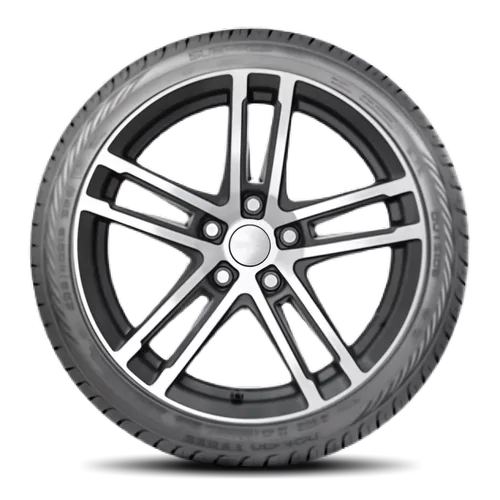
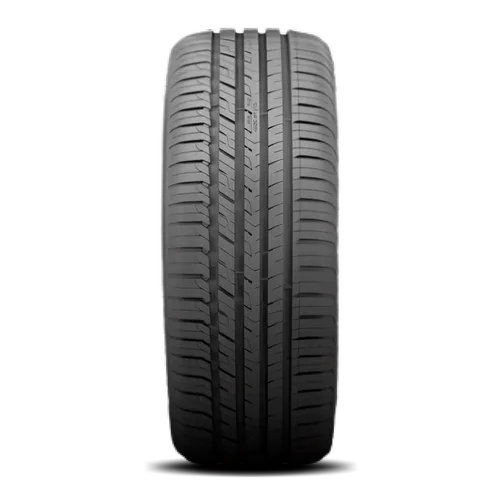
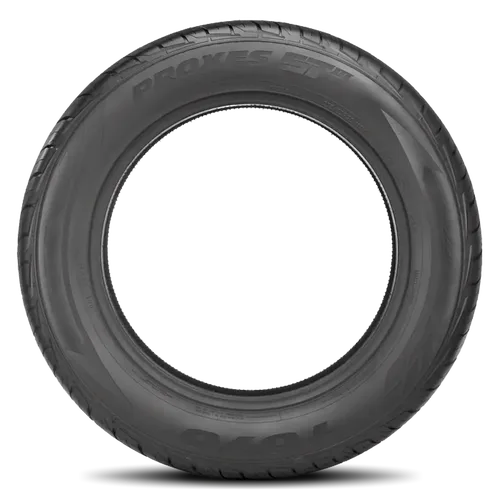
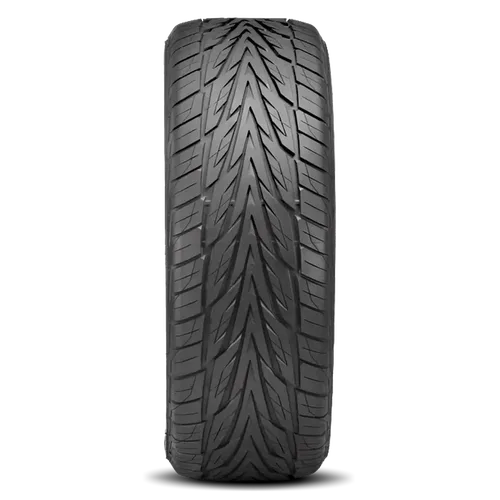
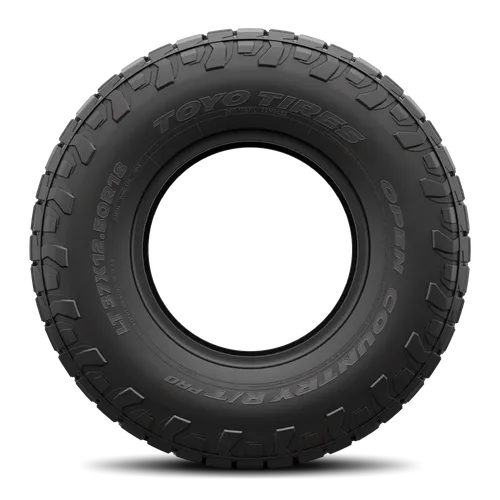
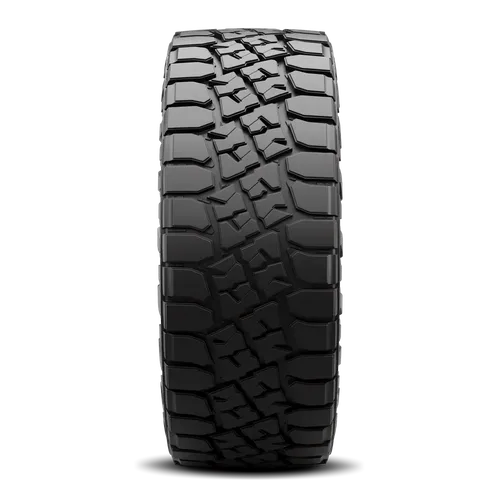
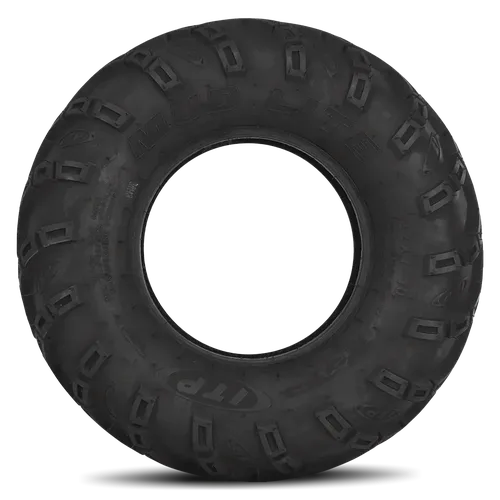
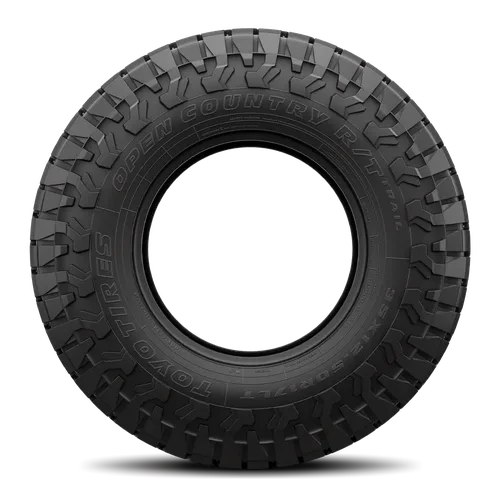
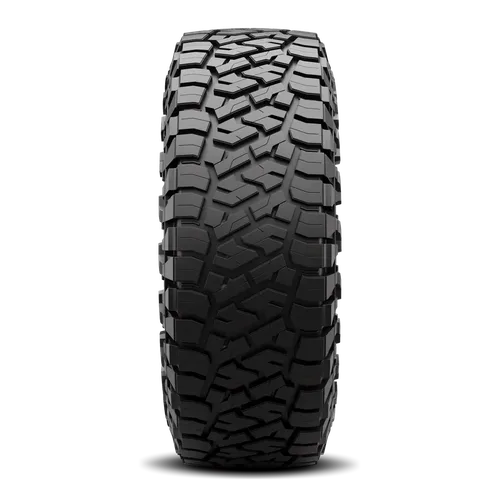
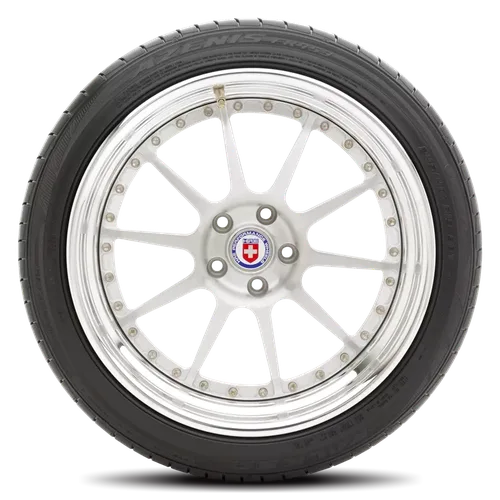
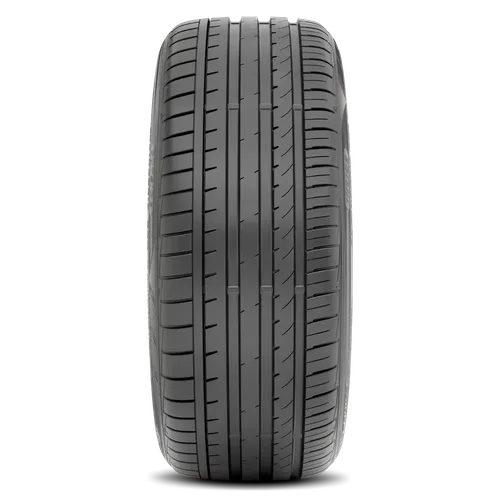
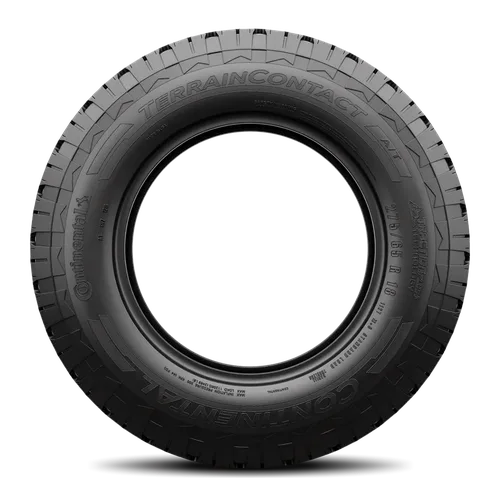
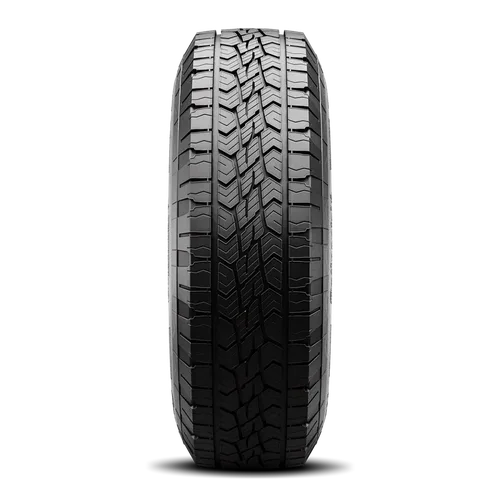
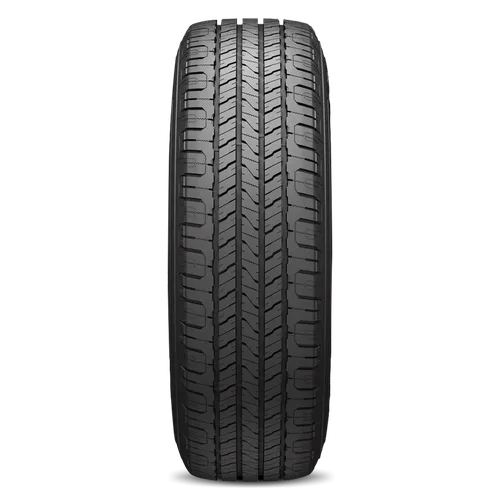
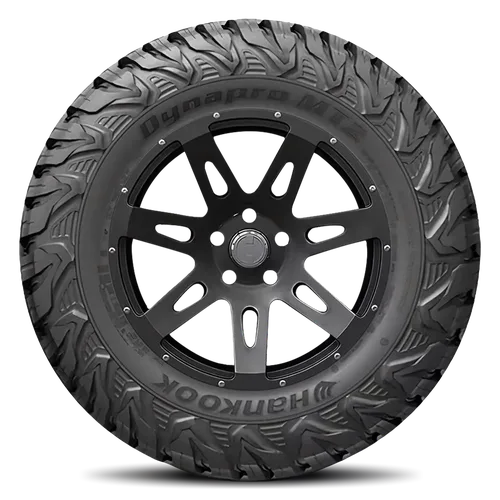
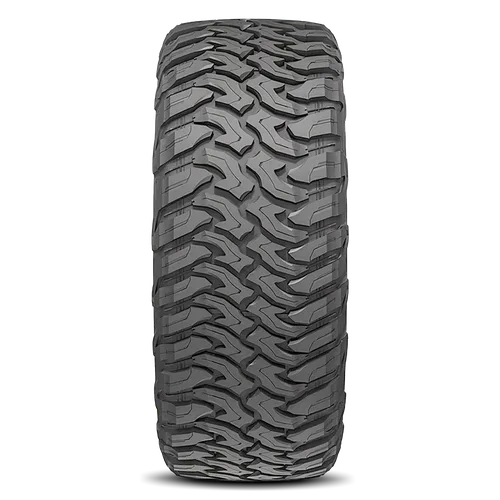
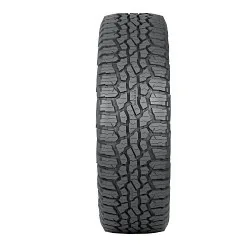
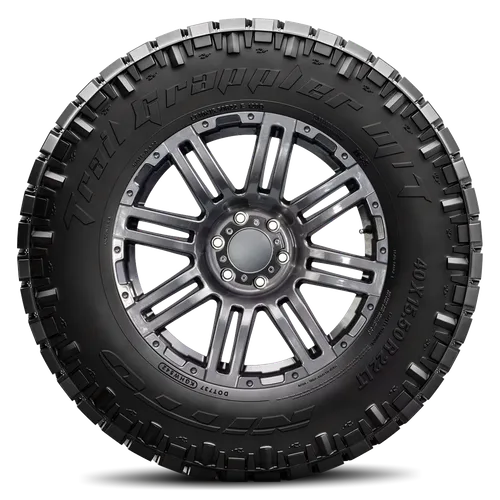
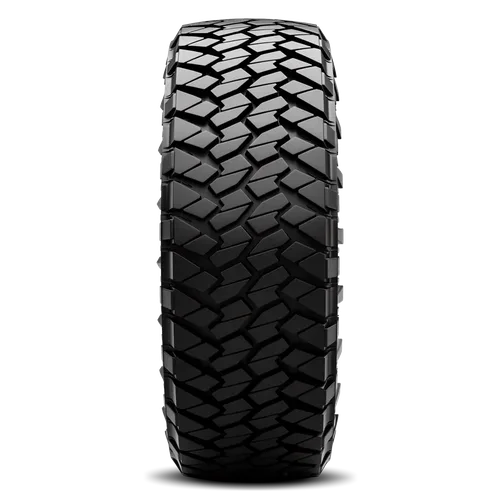
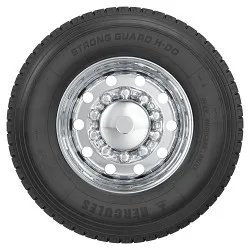
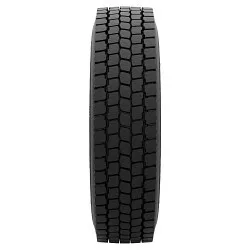
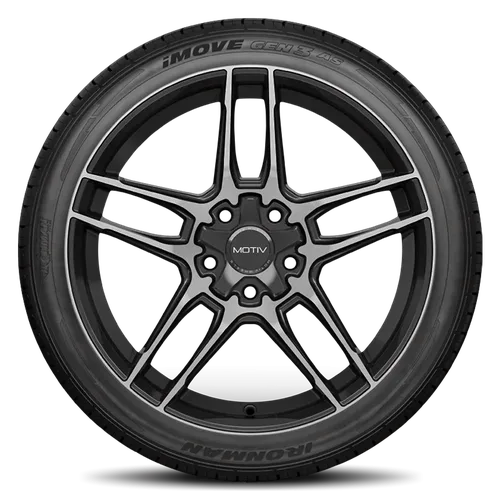
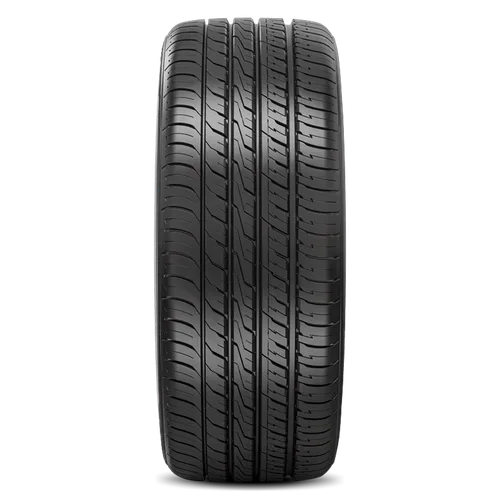
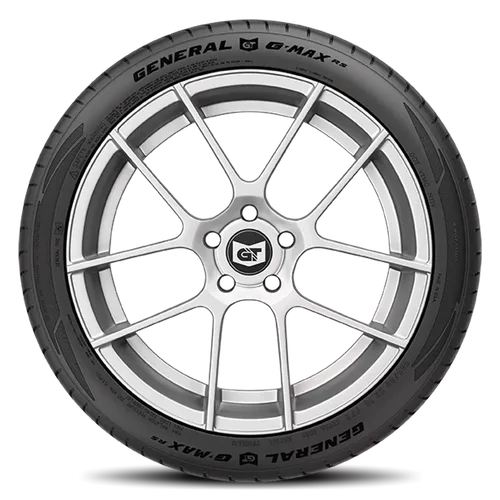
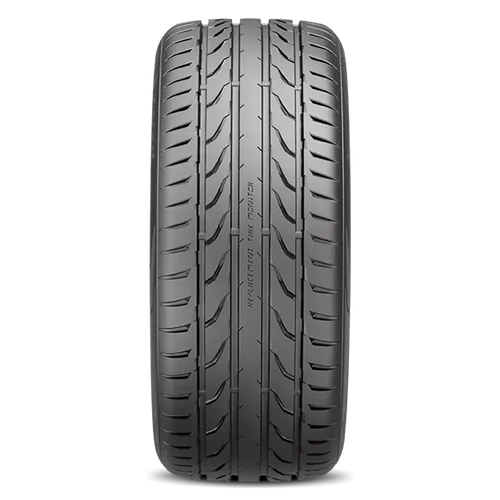
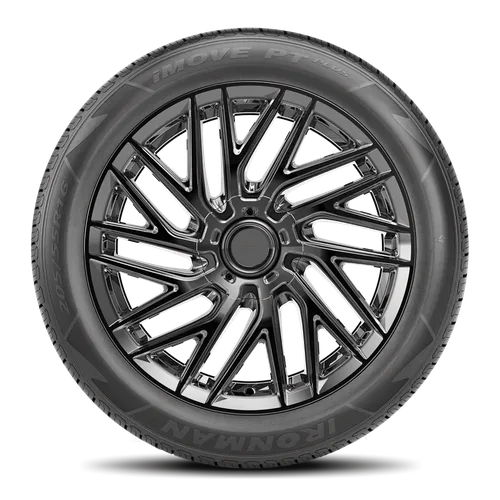
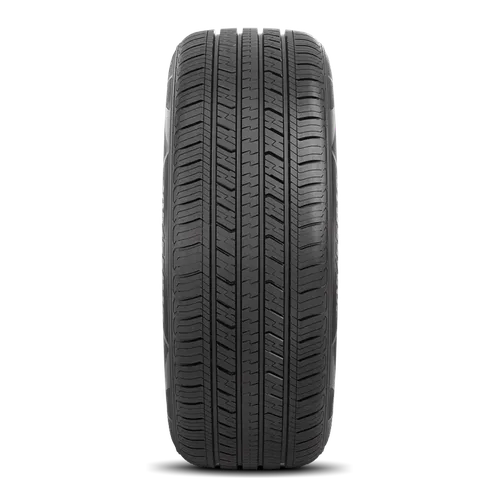
These are three trailer tires we hold in depth, one from each end of the range:
Radial vs bias-ply, and steel-belted ST tires
Almost every ST tire sold today is a radial, marked by the R in the size. Bias-ply trailer tires still exist and are cheaper, but they run hotter, wear faster and are more prone to flat-spotting after sitting. For anything that sees the highway, buy radial.
At the heavy end of the range you will see "all steel" ST tires, with steel belts and steel body cords rather than polyester. They carry load ranges F and G, resist heat and punctures better, and cost more. On a heavy fifth wheel, an equipment trailer or a commercial hauler, they are the right choice. On a small utility trailer, they are overkill.
Do trailer tires need to be balanced?
Not for the reason car tires do. You do not feel a trailer tire vibrate through the steering wheel, so an unbalanced trailer tire will not announce itself. Balancing still helps the tire and the wheel bearings live longer, and on a trailer that covers real highway mileage it is worth the small cost. On a utility trailer that goes to the dump twice a year, it is optional. Most tire shops will balance trailer tires if you ask, and some do it by default.
Where a trailer tire can go wrong at purchase
- Buying an LT or passenger tire in the same size. It will fit the wheel and it will flex more than the trailer was designed for. Buy ST.
- Buying a lower load range than the placard. Cheaper, lighter, and the reason a lot of trailers end up on the shoulder.
- Buying one tire. A single new tire alongside three old ones puts the weight on whichever tire is stiffest. Replace by axle at minimum, and on a trailer with tires more than a few years old, replace the set.
- Buying by tread. A used or old-stock trailer tire with full tread can be five years old. Check the DOT date on anything you buy.
- Forgetting the spare. The spare on a trailer is usually the original, which makes it the oldest tire on the rig.
Key takeaways
- ST means Special Trailer: a stiff-sidewalled tire built only for trailer axles. Fit the ST size on the trailer's placard, not an LT or passenger tire that happens to fit the wheel.
- Load range (B through G, or 4-ply through 14-ply) sets how much each tire carries. Total tire capacity must exceed the loaded trailer weight, with a margin. Never go below the placard's load range.
- ST tires are rated for 65 mph unless they carry a speed symbol. L is 75 mph, M is 81, N is 87.
- Run trailer tires at the maximum cold pressure on the sidewall, and check before every trip.
- Trailer tires age out before they wear out. Check the DOT date and plan on replacing them at five years or so, spare included.
- Buy radial, replace by axle or set, and choose all-steel construction only for genuinely heavy trailers.
The verdict
Choosing a trailer tire is a load calculation and a date check, not a brand debate. Get the ST size from the placard, pick a load range that carries the loaded trailer with room to spare, buy a radial with a speed symbol if you tow at highway speeds, inflate to the sidewall maximum, and replace the set by age. Do those five things and the brand on the sidewall matters far less than people think.
The most common sizes are ST205/75R15, ST225/75R15, ST235/80R16 and ST235/85R16, and those are where we keep the most depth. Search your size, filter to the load range you need, and confirm the DOT date on the tires when they arrive.
Ready for new tires?
Search live prices in your exact size, shipped from our US warehouses.
Shop tires by sizeFrequently Asked Questions
Have questions? We've got answers.
Sources & references
- National Highway Traffic Safety Administration, tire safety and tire ageing
- U.S. Tire Manufacturers Association, tire care and load information
- Tire and Rim Association, Special Trailer (ST) tire speed and inflation standard (industry yearbook, not freely published online)
Disclaimer: This content is for general informational purposes only and is not a substitute for professional automotive advice. Always confirm tire size, load rating, and inflation pressure against your vehicle's door placard and owner's manual, and consult a qualified tire professional before making changes to your vehicle's tires.