How to Choose Car Tires: Step-by-Step Guide
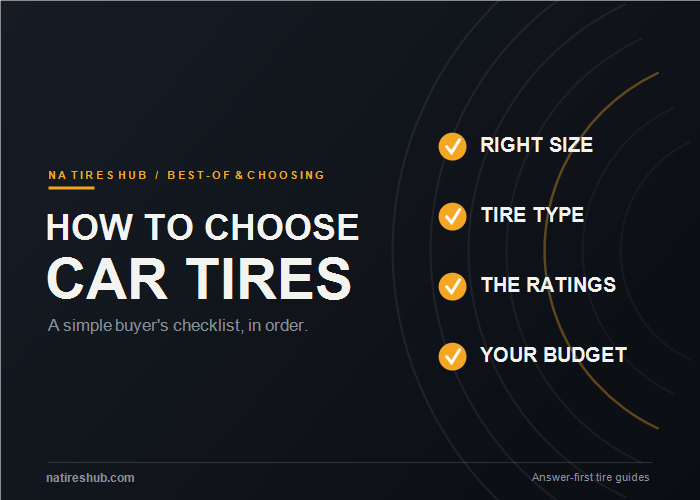
Table of contents
Choosing car tires feels harder than it should. There are dozens of brands, a wall of ratings, and prices that swing widely for what looks like the same product. The good news is that the right tire for your car is mostly decided for you already, by your vehicle and by how you drive. Get those two things straight and the rest is a short, confident checklist.
Quick answer
To choose car tires, start with the size, load index, and speed rating on your door placard, then pick a tire type that matches your climate and driving. Compare treadwear, wet traction, and noise, check the mileage warranty, and buy a full matched set. Confirm the exact fit against your placard before you pay.
Start with what your car needs, not the label
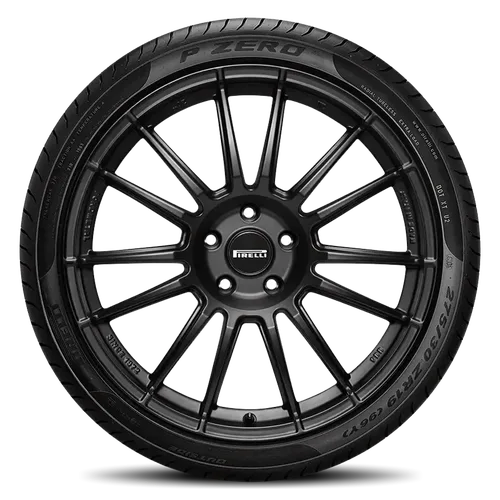
Every tire decision begins with the numbers your vehicle was built around. On the driver-side door jamb is a placard listing the size, load index, and speed rating your car requires. Buy a tire that matches the size and meets or exceeds the load and speed values. You can read every part of that code in our guide on how to read your tire size, and once you know it you can find tires that fit your size here.
Match the tire type to how and where you drive
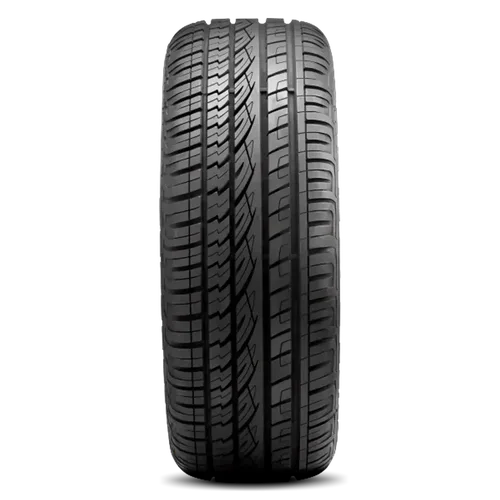
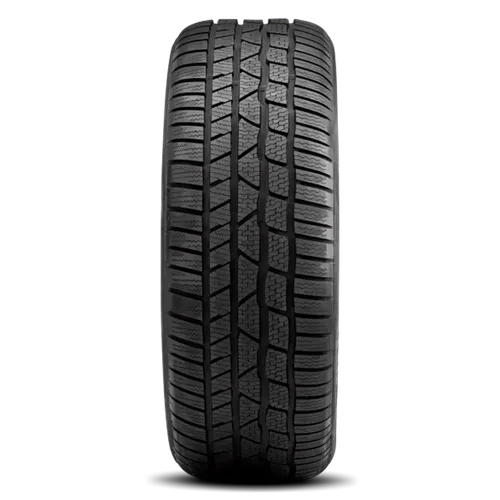
Type matters more than brand. The same maker builds very different tires, so the category is your real choice. Pick the row below that matches your winters and your vehicle.
| Tire type | Best for | Main trade-off |
|---|---|---|
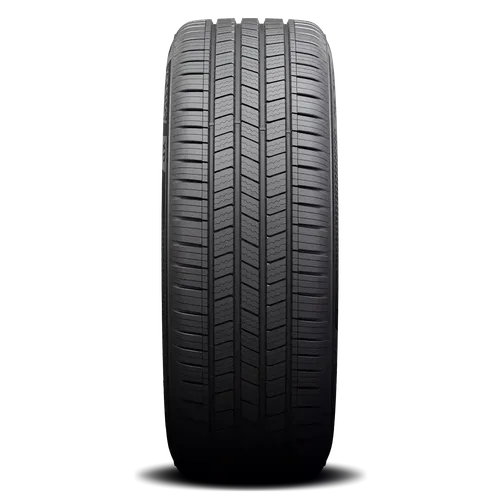
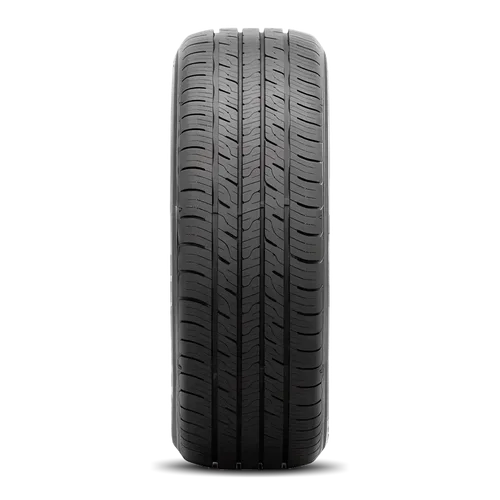
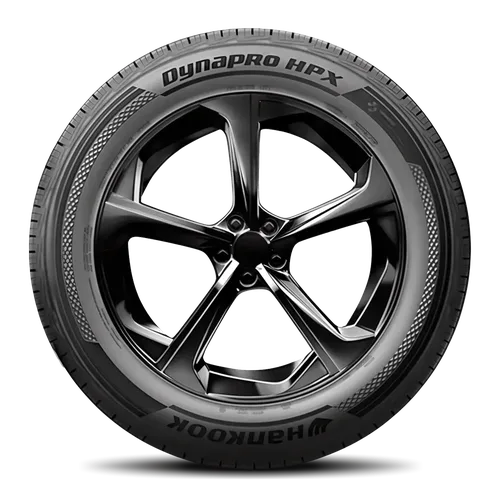
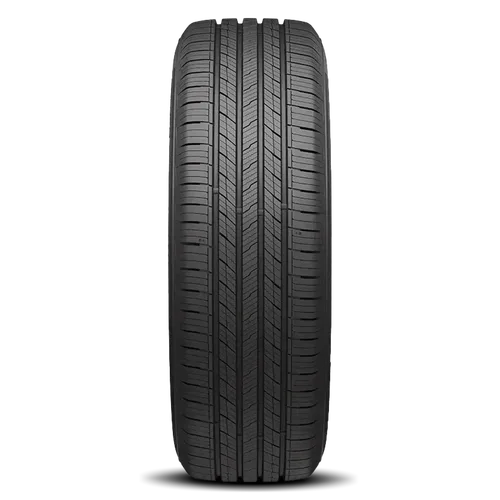
| All-season | Mild climates and year-round convenience | Not ideal in deep winter snow and ice |
| All-weather (3PMSF) | Year-round use with real snow capability | A little less summer sharpness |
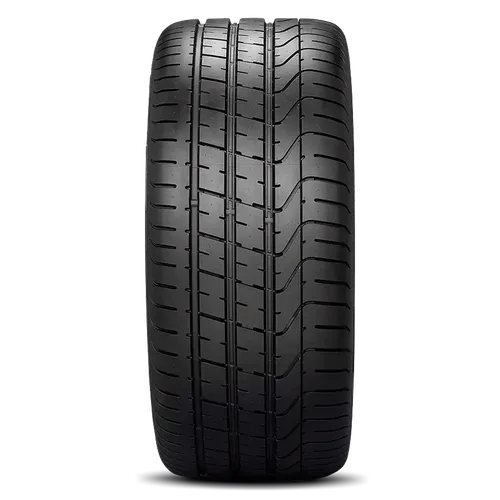
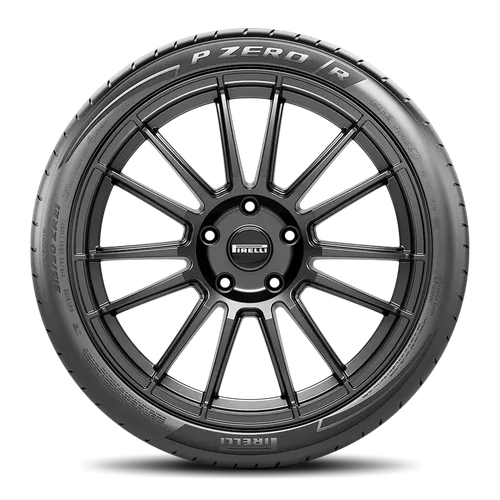
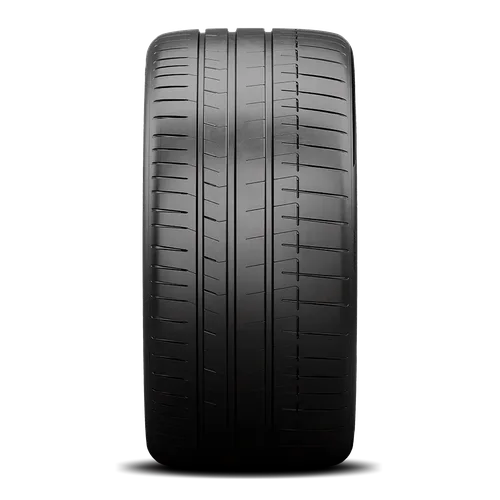
| Summer / performance | Dry and wet grip in warm climates | Poor below 45F and wears faster |
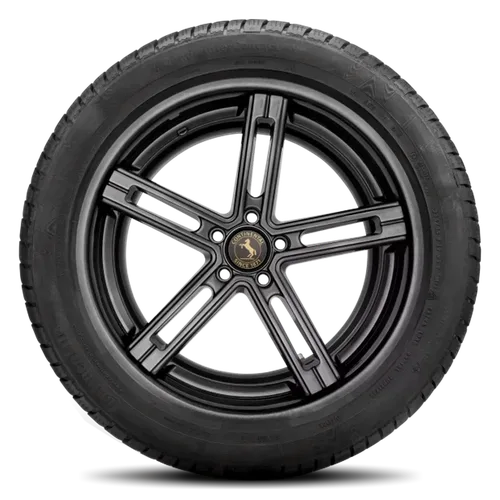
| Winter | Cold, snow, and ice | Must be swapped off in warm months |
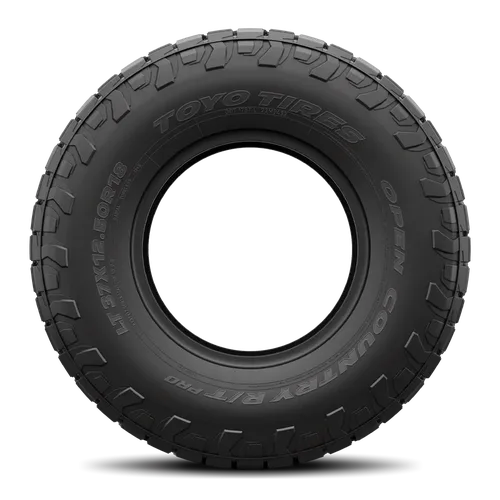
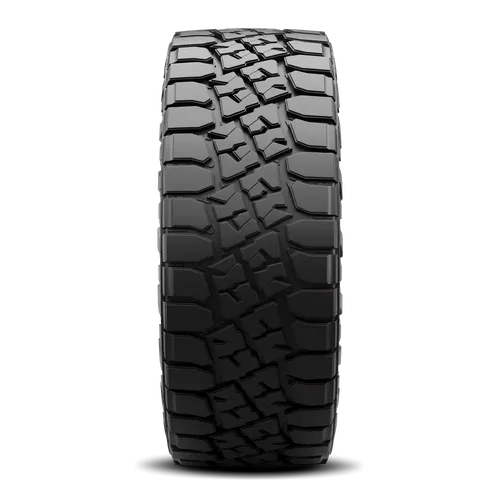
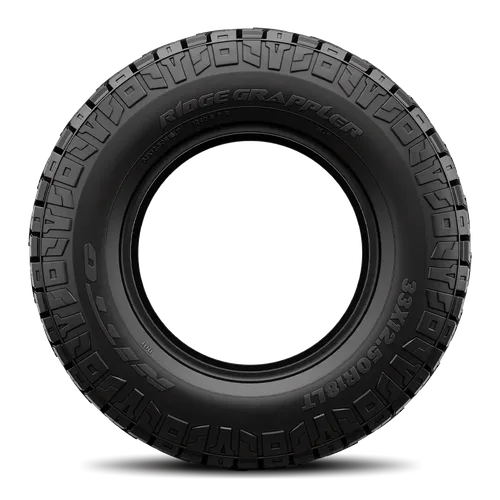
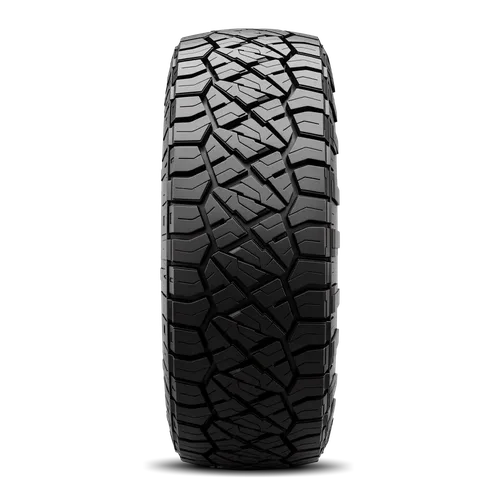
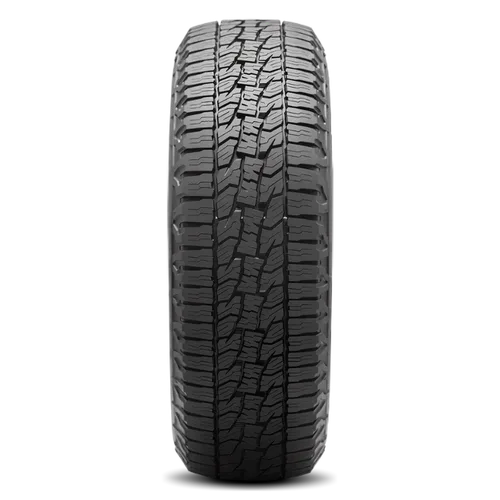
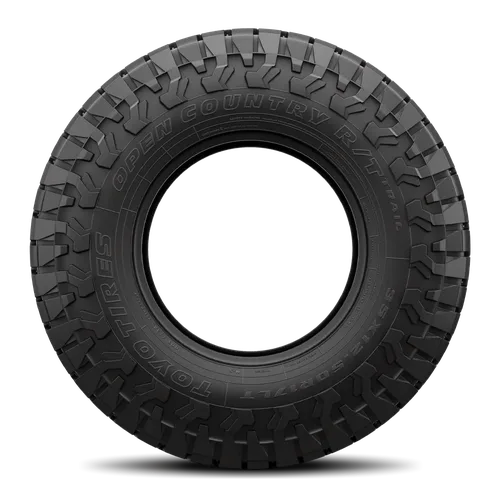
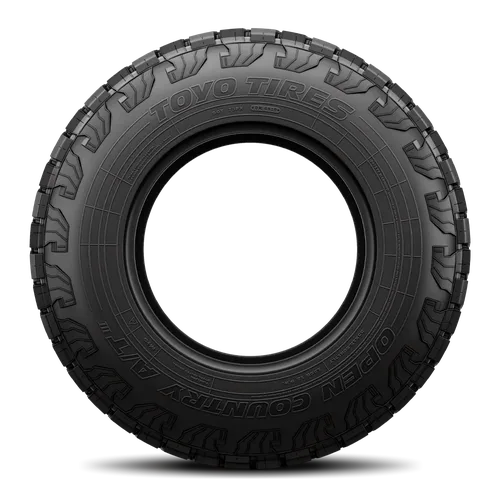
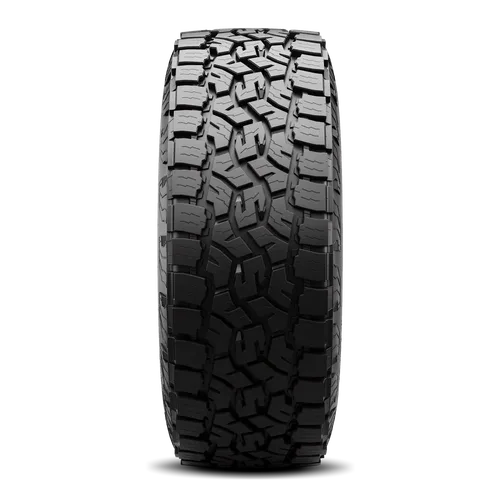
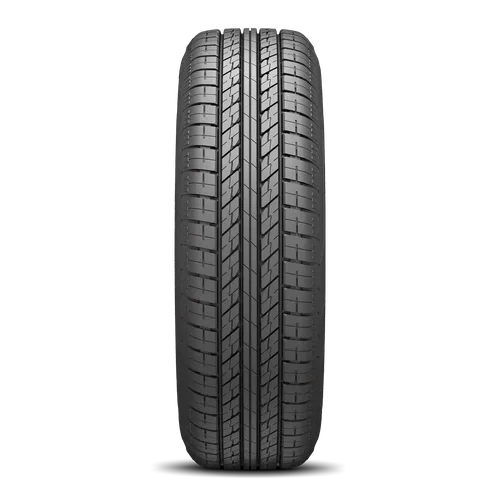
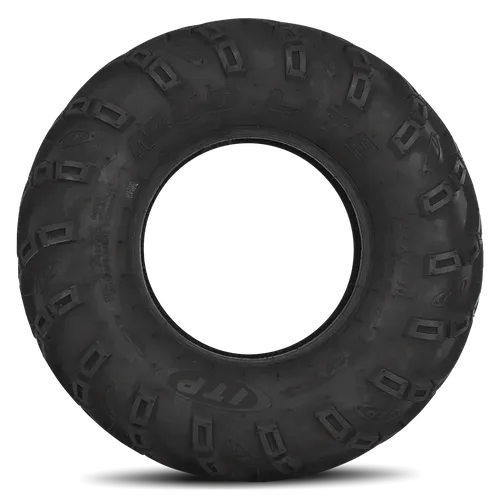
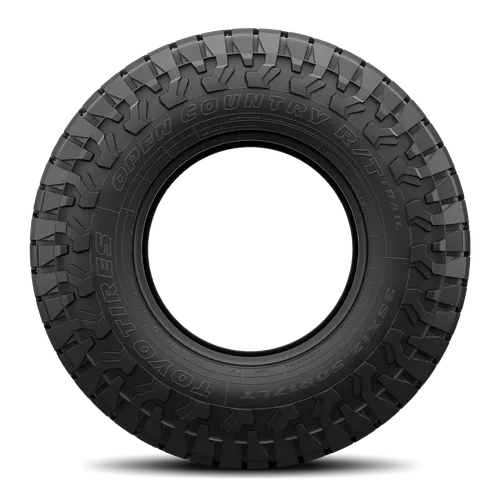
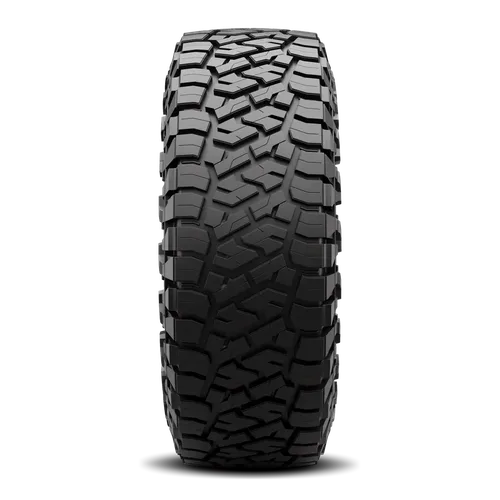
| All-terrain | Trucks and SUVs on and off pavement | Louder and uses more fuel |
Choosing the right type narrows the field more than any brand comparison can, because it rules out every tire built for a different job.
Decide what matters most to you
Within a type, tires are tuned toward different priorities, and no single tire wins at all of them. Rank these before you shop, because your top two should drive the choice:
- Tread life. If longevity matters most, favor a higher treadwear grade and a longer mileage warranty.
- Wet grip and braking. The safety priority. A better traction grade shortens stopping distance in rain.
- Noise and comfort. Touring tires ride quieter and softer than aggressive tread patterns.
- Fuel economy. Low rolling resistance tires save a little at the pump over their life.
- Price. Balance it against the above, but never buy below the load index or speed rating your car needs.
In stock right now
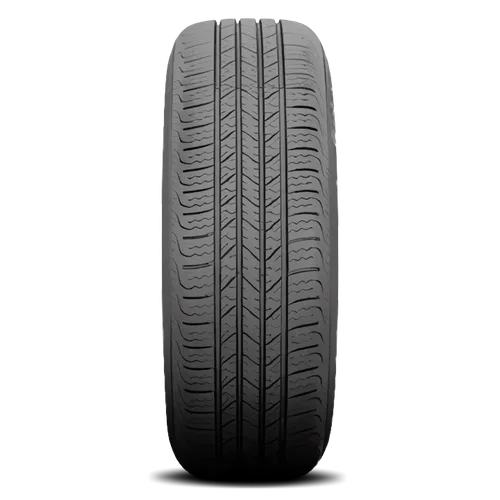
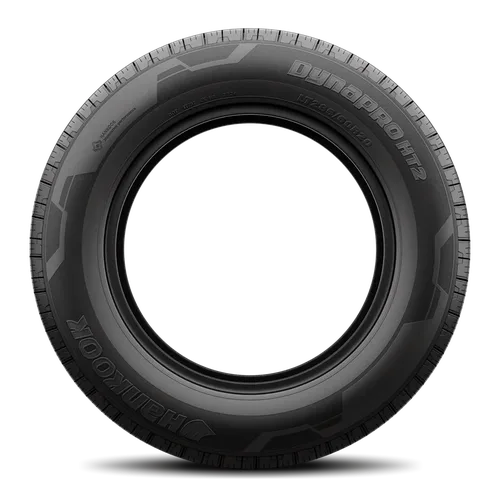
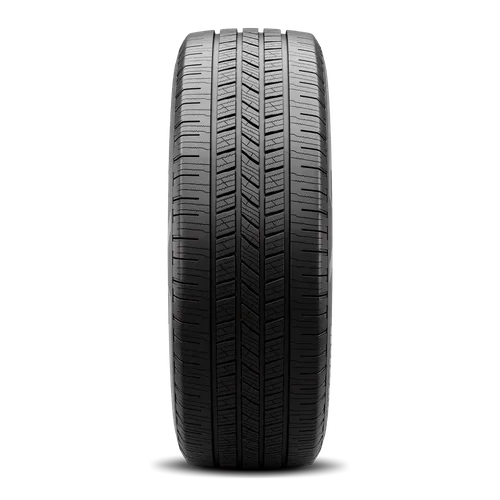
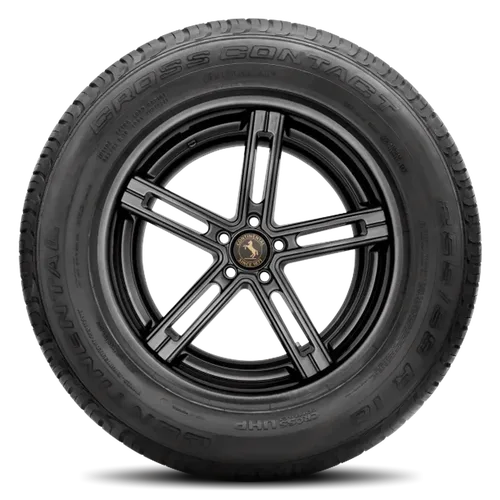
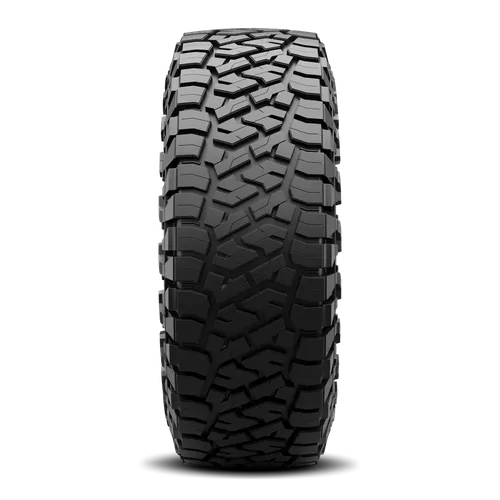
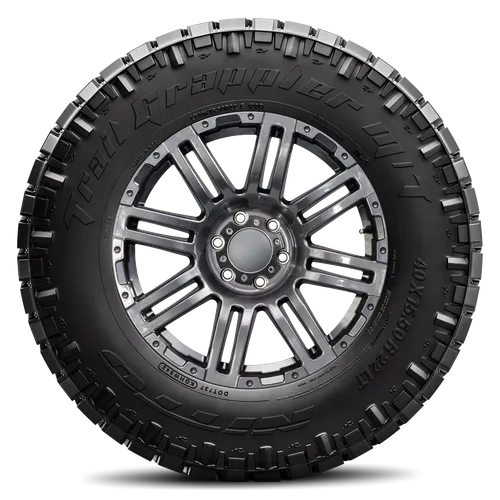
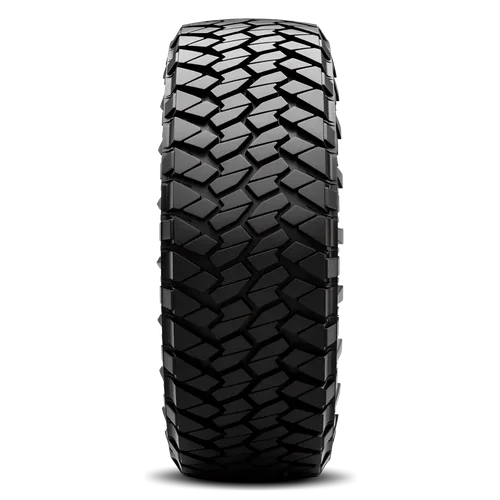
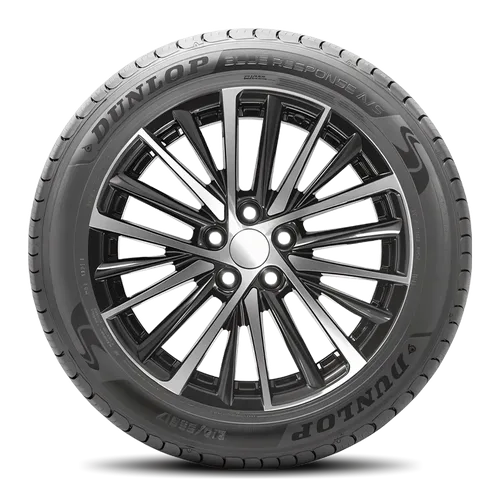
3 in-stock products recommended for this guide
Read the ratings that actually help
Two rating systems cut through the marketing. Learn to read them and you can compare tires honestly:
- UTQG. Three grades molded on the sidewall: a treadwear number where higher lasts longer, a traction grade of AA, A, B, or C for wet stopping, and a temperature grade for heat resistance.
- Load index and speed rating. The service description, like 102H. Match or exceed the values on your placard, never go below them.
Use the mileage warranty as a second longevity signal, but treat treadwear grades as comparable only within one brand, since each maker tests its own tires.
Set a realistic budget
Tires roughly split into three tiers: budget, mid-range, and premium. Budget tires can be a sound choice for a car you will not keep long, while premium tires usually pay back through longer life, quieter rides, and better wet braking. The one rule that never bends is that price should never push you below the load index, speed rating, or tire type your driving requires. Safety is not where you save money. Our Starfire tires review is a worked example of what a well built budget tire actually gives you and what it does not.
Whichever tier you land on, compare the total delivered to your door rather than the sticker price. Two retailers can list the same tire at the same number and still land in different places at checkout, because what it costs to ship a tire is driven by its size far more than its weight.
Finally, buy a full set of four whenever you can. Mixing worn and new tires, or different models front to rear, changes how the car handles. If you must buy two, fit the newer pair to the rear axle for stability in the wet, even on a front-wheel-drive car.
Common mistakes to avoid
A few errors trip up buyers again and again, and each one is easy to sidestep. Fitting a lower speed rating or load index than the placard calls for is the most dangerous, because it quietly lowers the tire's safe limits without any warning. Buying on price alone often means paying twice, once now and again when the cheap set wears out early. Choosing a summer or performance tire in a cold climate leaves you with hard rubber and poor grip for months of the year. Mixing two tire models across an axle, or replacing a single tire on an all-wheel-drive vehicle, upsets how the car handles and can strain the drivetrain. Match the numbers first, then the type, and every one of these mistakes disappears.
How to choose car tires in six steps
Here is the whole process for choosing tires for your car, in order:
- Read your door placard for the size, load index, and speed rating.
- Choose the tire type that fits your climate and vehicle.
- Rank your priorities: tread life, wet grip, noise, fuel economy, and price.
- Compare UTQG grades and the mileage warranty across your shortlist.
- Confirm the load index and speed rating meet or exceed the placard.
- Buy a full matched set and verify the exact fit before paying.
Key takeaways
- Your placard decides the size, load, and speed rating, so start there.
- The tire type matters more than the brand; match it to your climate and vehicle.
- Rank tread life, wet grip, noise, fuel economy, and price before shopping.
- UTQG grades and the mileage warranty let you compare longevity and grip.
- Buy a matched set, put the newer pair on the rear, and confirm fit against the placard.
How long should the tires you choose last?
Tread life depends on the tire and on how you drive, but the mileage warranty gives you a useful baseline when comparing options. Many all-season tires are warrantied somewhere between 50,000 and 70,000 miles, while performance and winter tires are rated lower by design because their softer compounds trade life for grip. Treat that number as a guide rather than a promise, since wheel alignment, inflation, and rotation habits all move it up or down. Keep the tires inflated to the pressure on your door placard, rotate them on the schedule in your owner's manual, and the set you choose will run much closer to its rated mileage.
The verdict
Choosing car tires comes down to a simple order: let your placard set the size and ratings, let your climate set the type, and let your own priorities break the tie. Read the UTQG grades, weigh the warranty, and buy a matched set that meets your car's numbers. Do that and you are buying on facts instead of guesswork, with a tire that fits both your vehicle and the way you actually drive.
Ready for new tires?
Search live prices in your exact size, shipped from our US warehouses.
Shop tires by sizeFrequently Asked Questions
Have questions? We've got answers.
Sources & references
Disclaimer: This content is for general informational purposes only and is not a substitute for professional automotive advice. Always confirm tire size, load rating, and inflation pressure against your vehicle's door placard and owner's manual, and consult a qualified tire professional before making changes to your vehicle's tires.