What Do Numbers in Tires Mean? Decoded
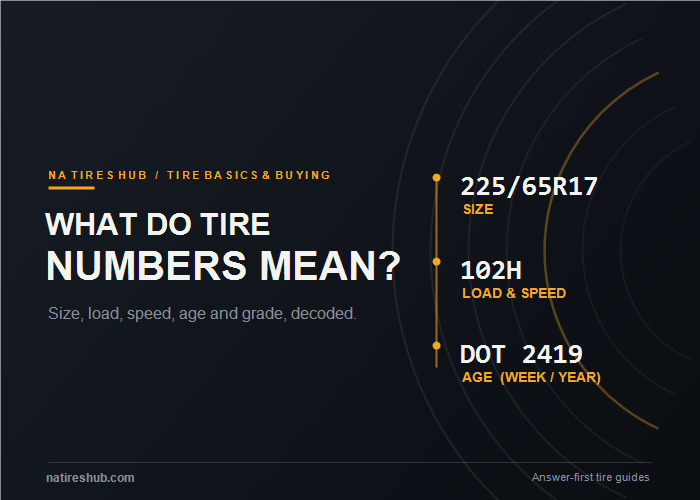
Table of contents
- The three groups of numbers on a tire
- 1. The tire size numbers
- 2. Load index and speed rating
- 3. The numbers that reveal age and quality
- A worked example: reading 225/65R17 102H 500 A A
- Letters that ride along with the numbers
- What the numbers do NOT tell you
- What do the numbers on a tire mean when buying a replacement?
- Where to find these numbers if the sidewall is worn
- The verdict
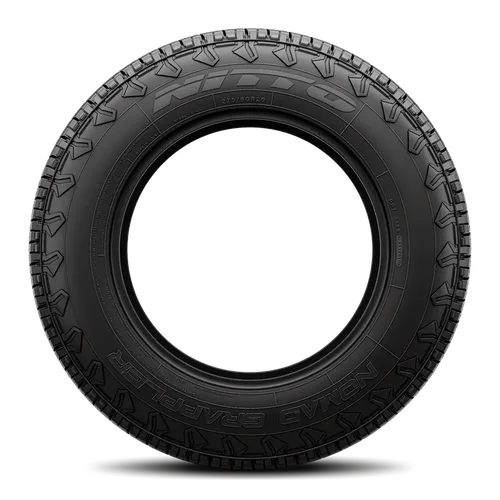
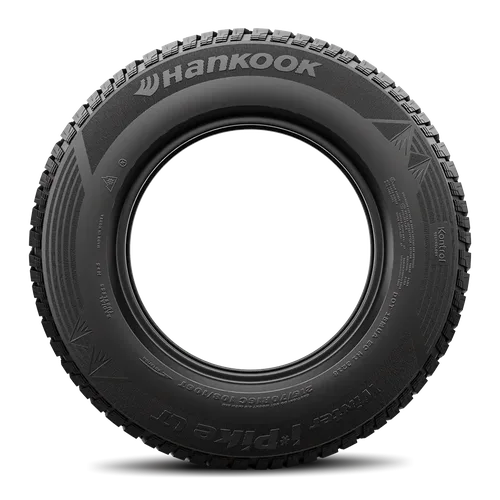
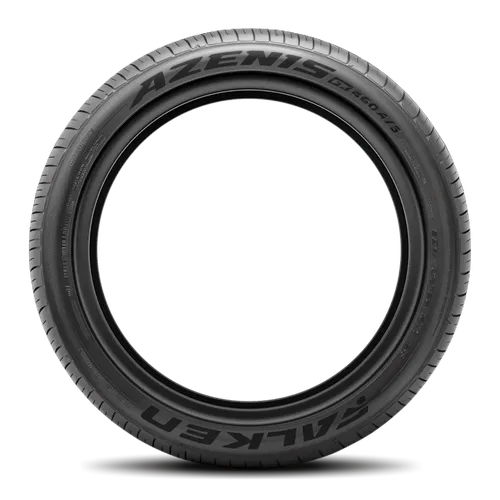
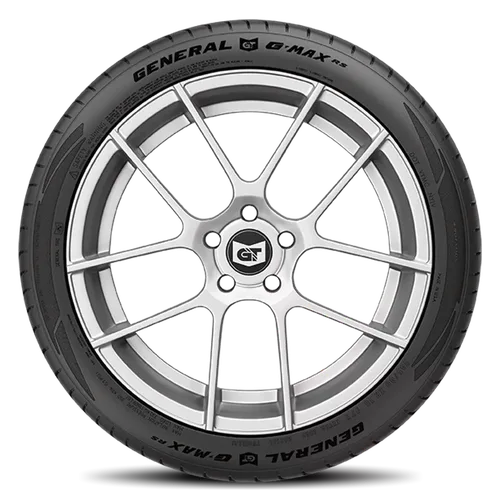
Walk up to any tire and the sidewall looks like a jumble of numbers and letters. It is not random. Every group is a specification, and once you know which is which, the sidewall reads like a spec sheet for the rubber under your car. Here is what all of it means, grouped so it actually makes sense.
Quick answer
The numbers on a tire fall into three groups: the size (like 225/65R17, giving width, profile and wheel diameter), the service description (like 102H, giving load index and speed rating), and the safety markings (the DOT date code, UTQG grades, and max load and pressure). Together they describe how big the tire is, how much it carries, and how old it is.
The three groups of numbers on a tire
Instead of reading the sidewall left to right and getting lost, split it into three jobs. One group tells you the size, one tells you its limits, and one tells you its age and quality. Almost every marking you see belongs to one of these.
Group | Example | What it tells you |
|---|---|---|
Size | 225/65R17 | Width, sidewall profile, and wheel diameter. |
Service description | 102H | Load index (weight) and speed rating. |
Safety and age | DOT ... 2419, UTQG 500 A A | When it was made and how it graded for wear, grip and heat. |
1. The tire size numbers
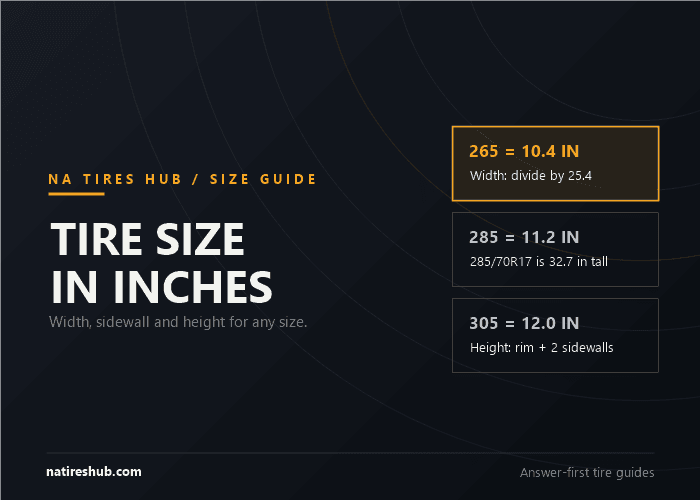
The headline group is the size, written like 225/65R17. The 225 is the width in millimeters, 65 is the aspect ratio (sidewall height as a percentage of width), R means radial construction, and 17 is the wheel diameter in inches. That is enough to know whether a tire physically fits your wheel. To turn the whole size into inches, use our tire size in inches chart. For a full step-by-step on this group, see our guide on how to read your tire size. The middle number does more work than it looks, and tire aspect ratio explained covers the calculation and what happens if you change it.
2. Load index and speed rating
Right after the size sits the service description, like 102H. The number is the load index and the letter is the speed rating. The load index is a code for the most weight one tire can carry, and the speed rating is the top speed it is built to sustain. Both are limits set by your vehicle, so you can go higher but never lower.
Load index | Max load per tire |
|---|---|
91 | 1,356 lbs |
95 | 1,521 lbs |
102 | 1,874 lbs |
109 | 2,271 lbs |
The speed rating letter follows a set scale. These are the common ones:
Speed rating | Maximum sustained speed |
|---|---|
T | 118 mph |
H | 130 mph |
V | 149 mph |
W | 168 mph |
3. The numbers that reveal age and quality
This group is easy to miss but it matters most for safety. Three markings do the work:
DOT date code. The last four digits of the DOT string are the week and year of manufacture. 2419 means the 24th week of 2019. Rubber ages even unused, so many makers advise replacement at six years and a hard limit near ten.
UTQG grades. A set like 500 A A is the Uniform Tire Quality Grading: a treadwear number (higher wears longer), a traction letter (AA, A, B, C for wet grip), and a temperature letter for heat resistance.
MAX LOAD and MAX PRESSURE. These state the tire's own ceilings, molded in pounds and PSI. They are limits for the tire, not the pressure you should run day to day.
A worked example: reading 225/65R17 102H 500 A A
Put the groups together on a real sidewall. 225/65R17 is the size: 225 mm wide, a 65 percent sidewall, on a 17-inch wheel. 102H is the service description, a load index of 102 (1,874 lbs per tire) and an H speed rating (130 mph). 500 A A is the UTQG: a treadwear index of 500, an A traction grade for wet stopping, and an A temperature grade for heat. Add a DOT code ending in 3423 and you also know it was built in the 34th week of 2023. In one glance you now know how big the tire is, how much it carries, how fast it is rated, how it grades for wear and grip, and how old it is.
Find tires in your size
It's on your tire's sidewall or the driver-side door placard — e.g. 205/55R16
Letters that ride along with the numbers
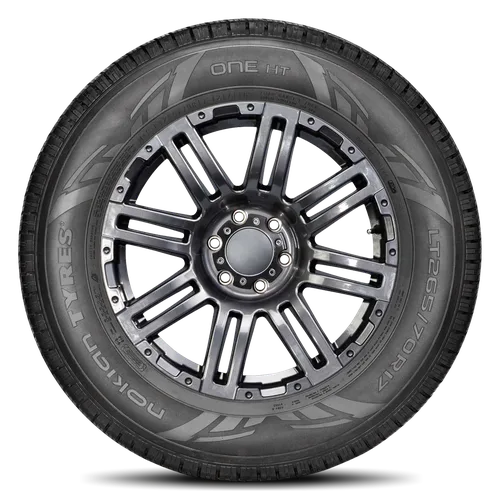
A few letters travel with the numbers and change their meaning. A P before the size, as in P225/65R17, means P-metric, the US passenger standard. LT means light truck, built for heavier loads and higher pressures. No letter usually means Euro-metric. Elsewhere on the sidewall you may see M+S for mud and snow, or the three-peak mountain snowflake that certifies real winter traction. Small raised bars set into the grooves are the wear indicators, and when the tread wears level with them the tire has reached its 2/32 inch limit.
What the numbers do NOT tell you
The most common mistake is reading MAX PRESSURE on the sidewall and inflating to it. That number is the tire's maximum, not your correct pressure. Your recommended inflation comes from the placard on the driver-side door jamb and the owner's manual, which are set for your specific vehicle. When the sidewall and the placard seem to conflict, the placard wins for pressure, and it is also the safest source for the size your vehicle was built to use.
What do the numbers on a tire mean when buying a replacement?
For a replacement that matches, you need three of the groups to line up: the full size, the load index, and the speed rating, all equal to or higher than your original tires. The DOT date only matters for confirming a new tire is actually fresh, not old stock. Quote the whole size string plus the service description to any shop or search, and you will get an exact match rather than a rough guess.
Key takeaways
Tire numbers split into three jobs: size, service description (load and speed), and safety or age markings.
225/65R17 is the size; 102H is the load index and speed rating.
The DOT code's last four digits are the week and year the tire was made.
UTQG grades rate treadwear, wet traction, and heat resistance.
MAX PRESSURE is the tire's ceiling, not your correct inflation; use the door placard.
Where to find these numbers if the sidewall is worn
If road grime or age has hidden the markings, the size and load information is repeated in three places built into the car: the driver-side door placard, the owner's manual, and often the inside of the fuel-filler flap. These show the vehicle's original specification, which is the safest set of numbers to shop against.
The verdict
Once you see the sidewall as three groups instead of one long string, the numbers stop being intimidating. Read the size to know it fits, the load index and speed rating to know its limits, and the DOT and UTQG marks to know its age and quality. Match those to your placard and your original tires, and you can shop with confidence instead of guesswork.
Ready for new tires?
Search live prices in your exact size, shipped from our US warehouses.
Shop tires by sizeFrequently Asked Questions
Have questions? We've got answers.
Sources & references
Disclaimer: This content is for general informational purposes only and is not a substitute for professional automotive advice. Always confirm tire size, load rating, and inflation pressure against your vehicle's door placard and owner's manual, and consult a qualified tire professional before making changes to your vehicle's tires.