Are Toyo Tires Good? An Honest Brand Review
Table of contents
- Who makes Toyo tires?
- Where are Toyo tires made?
- Is Toyo owned by Toyota?
- Are Toyo tires good? The honest verdict
- What Toyo does well
- Where Toyo falls short
- Toyo's lineup at a glance
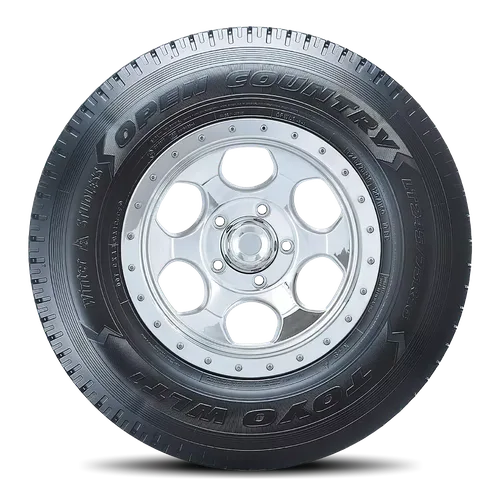
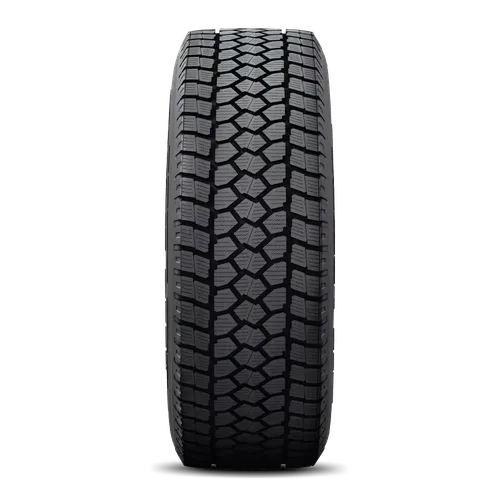
- The Open Country family: which one fits your truck
- The best Toyo tires to buy right now
- What the UTQG numbers on a Toyo tell you
- How Toyo compares to other brands
- The verdict
Toyo is the brand a lot of truck owners know from the Open Country on a neighbor's pickup, and one a lot of car owners have never seriously considered. That gap is worth closing. Toyo is a large Japanese manufacturer with a real American factory, a sister brand most drivers never connect to it, and a lineup that covers far more than off-road tires. Here is an honest look at who makes Toyo, where the tires are built, what the brand does well, where it falls short, and which Toyo tires are worth buying today.
Quick answer
Yes, Toyo is a good tire brand. Toyo Tire Corporation is a Japanese manufacturer founded in 1945, it builds many of the tires it sells in the United States at its own plant in White, Georgia, and it is best known for Open Country truck and SUV tires. It is priced above value brands, and it also owns Nitto.
Disclosure: New American Tires Hub is an independent tire retailer. We sell the Toyo tires discussed on this page and we make money when you buy from us. We are not affiliated with, sponsored by, or endorsed by Toyo Tire Corporation or Toyo Tire U.S.A. Corp. The views below are our own, and we say where the brand falls short as well as where it does well.
Who makes Toyo tires?
Toyo tires are made by Toyo Tire Corporation, a Japanese company established in August 1945 and headquartered in the Osaka area. Until 2019 it traded as Toyo Tire and Rubber Co., which is the name older drivers may remember. In the United States the brand is sold by Toyo Tire U.S.A. Corp., the marketing and sales subsidiary that has handled Toyo here since 1966, and the North American group sits under Toyo Tire Holdings of Americas, a wholly owned subsidiary of the Japanese parent.
One ownership fact surprises most shoppers: Toyo owns Nitto. Toyo's own corporate site names Nitto as one of its two global tire brands, and the U.S. Tire Manufacturers Association notes that Toyo's North American group makes, imports and distributes both Toyo and Nitto tires in the United States and Canada. The two brands are marketed separately and aimed at different buyers, but they come from the same company.
Where are Toyo tires made?
Many of the Toyo tires sold in the United States are built in America, at Toyo's plant in White, Georgia, in Bartow County northwest of Atlanta. Toyo describes it as the biggest tire plant in the entire Toyo group, and it produces passenger, light truck and SUV tires. In total Toyo makes tires in five countries: Japan, the United States, China, Malaysia and Serbia, so the country of origin depends on the specific model and size.
If it matters to you, the tire itself tells you. The country of manufacture is molded on the sidewall, and the DOT code includes a plant code that identifies the exact factory. Check it on the tire before it is mounted.
Is Toyo owned by Toyota?
No. The names sound alike, but Toyo Tire Corporation is a separate, publicly listed tire company, and Toyota does not own or control it. The confusion is understandable, since both companies are Japanese and Toyo tires do appear on some new vehicles from the factory. A Toyo tire is still not a Toyota part, and buying one has nothing to do with your vehicle's make.
Are Toyo tires good? The honest verdict
For most drivers, yes. Toyo sits in the upper middle of the market: clearly ahead of value imports in engineering depth and consistency, usually a step below the most expensive premium names on price, and genuinely strong in the categories it has chosen to focus on. Truck and SUV owners have the most to gain, because the Open Country family is the reason many people know the brand at all. Car owners get a solid and often overlooked choice in the Extensa and Celsius lines.
What Toyo does well
- Trucks and SUVs. The Open Country family runs from quiet highway treads through all-terrain and rugged-terrain patterns to a full mud-terrain, so you can match the tread to how much of your driving leaves the pavement.
- American production. Many US-market Toyo tires come out of the Georgia plant rather than being shipped in from overseas.
- A performance line with real range. Proxes covers everyday performance all-season tires at one end and DOT-legal competition tires built for track days at the other.
- Families that map cleanly to how you drive. Extensa, Celsius, Proxes, Open Country and Observe each do one job, which makes it easier to shortlist the right tire than it is with brands whose sub-lines overlap.
- Tread life where it is meant to matter. The Extensa A/S II touring tire we stock carries a 620 treadwear grade, which is high for its class.
Where Toyo falls short
No brand is right for every buyer, and Toyo has three honest weak points.
The first is price. Toyo is not a budget brand. In most sizes it costs more than a value-brand tire, and on a low-mileage second car that premium can be hard to justify.
The second is that the performance tires trade tread life for grip, as performance tires do. On our own shelf the Proxes Sport carries a 240 treadwear grade against 620 on the Extensa A/S II. That is not a flaw, it is the job each tire is built for, but it means a Proxes is the wrong choice for a commuter who wants the tire to last.
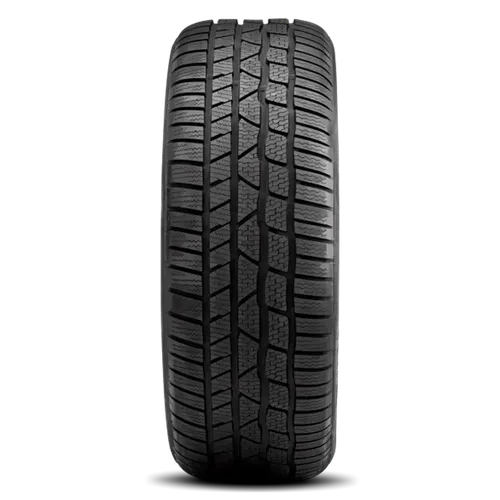
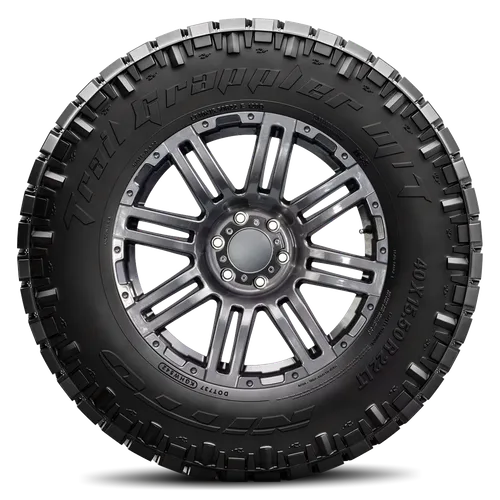
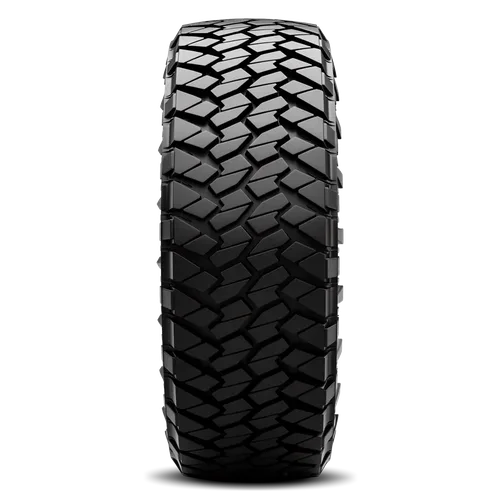
The third catches truck owners out. Aggressive Open Country treads are louder and firmer on the highway than a highway tread, which is true of every rugged-terrain and mud-terrain tire on the market. Plenty of buyers fit an R/T or M/T for the look and then live with the noise on a daily commute. If your truck rarely leaves pavement, the H/T II or Q/T is the smarter buy.
Toyo's lineup at a glance
Toyo organizes its tires into families by vehicle and driving style. These are the ones you are most likely to meet:
| Toyo line | Best for | Type |
|---|---|---|
| Extensa | Everyday cars, sedans and minivans | Touring and high performance all-season |
| Celsius | Drivers who see some snow but do not want to swap tires | All-weather (Toyo calls it variable-conditions) |
| Proxes | Sporty cars through to track days | Performance, ultra high performance, DOT competition |
| Open Country | Pickups and SUVs | Highway, all-terrain, rugged-terrain, mud-terrain |
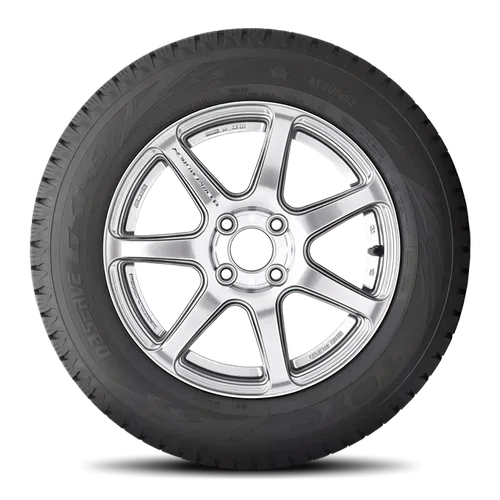
| Observe | Snow and ice | Winter |
| M-Line | Work trucks and fleets | Commercial |
You can see every Toyo size we have right now on our Toyo tires page.
The Open Country family: which one fits your truck
Most people shopping Toyo are shopping Open Country, and the right one depends almost entirely on where you drive.
| Open Country model | Tread type | Pick it if |
|---|---|---|
| H/T II and Q/T | Highway | Your truck or SUV spends nearly all its time on pavement and you want a quiet ride |
| A/T III | All-terrain | You split your driving between highway and gravel or dirt roads |
| R/T and R/T Trail | Rugged-terrain | You go off pavement often and want more bite than an all-terrain without a full mud tire |
| M/T | Mud-terrain | Serious off-road use comes first and highway comfort second |
Many Open Country sizes, especially the R/T and M/T, are LT (light truck) sizes. Those carry a load range letter and a higher inflation pressure than a passenger tire, so confirm the load index and load range against your door placard rather than matching the look.
The best Toyo tires to buy right now
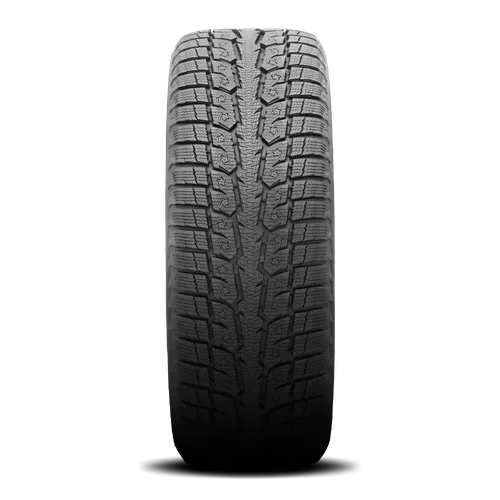
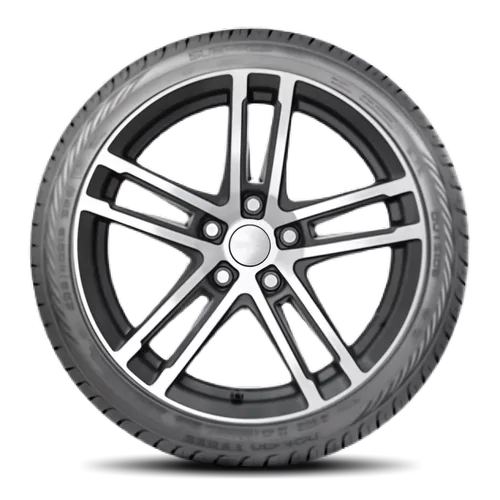
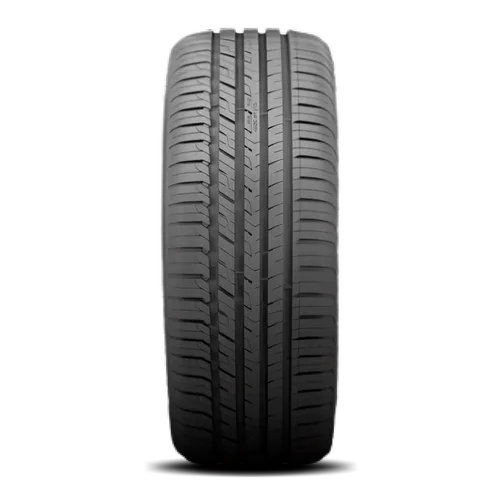
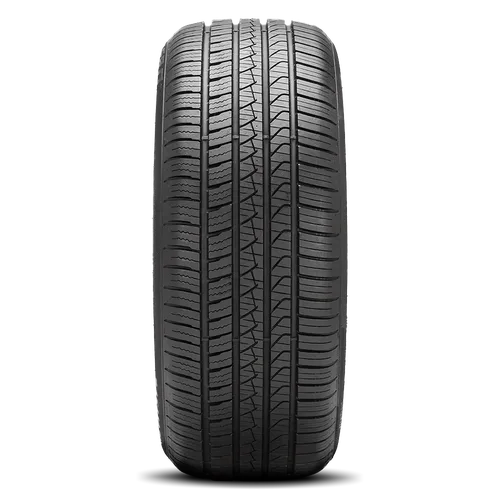
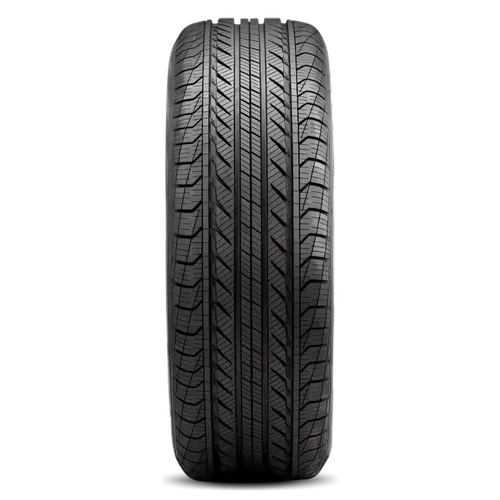
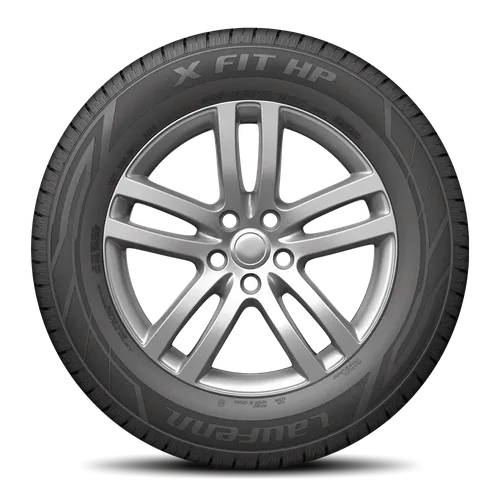
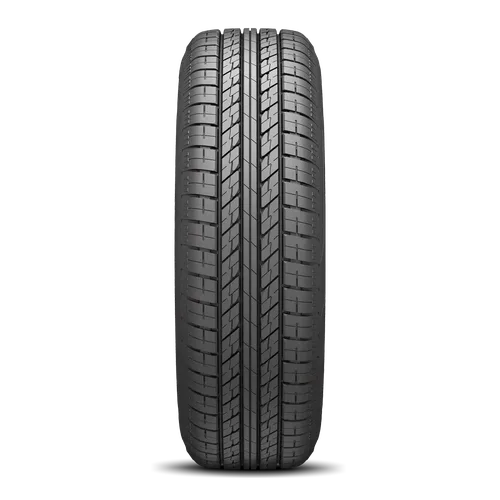
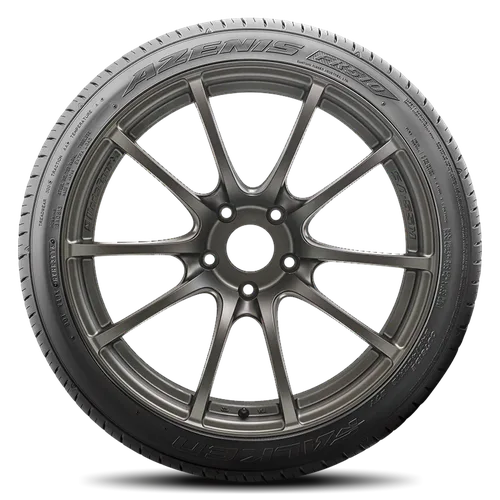
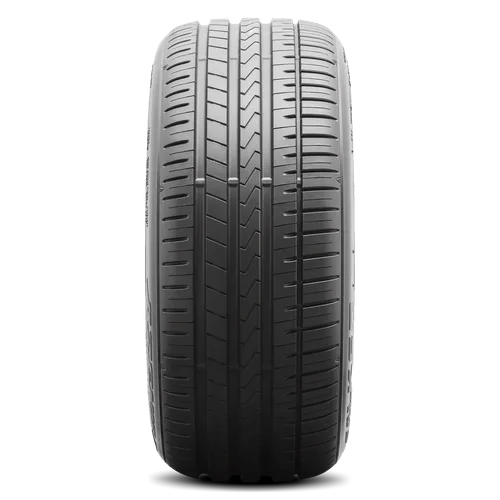
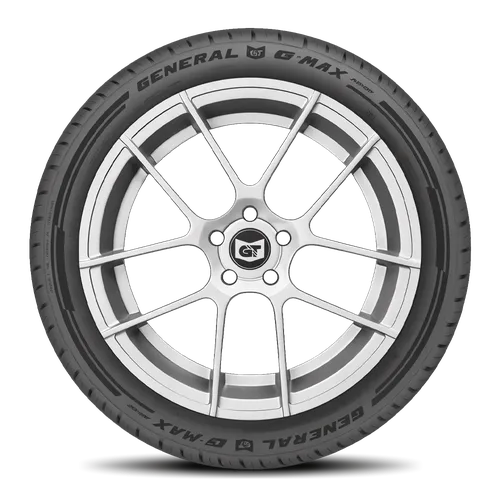
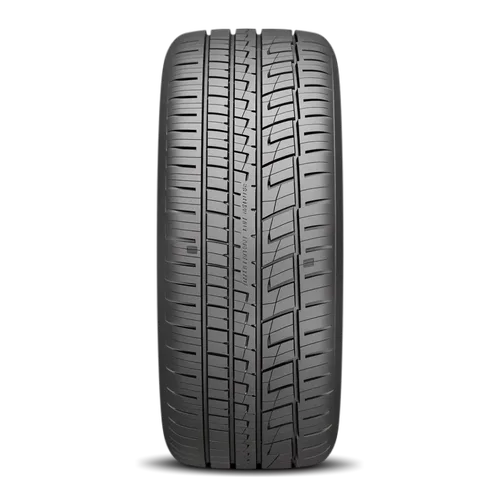
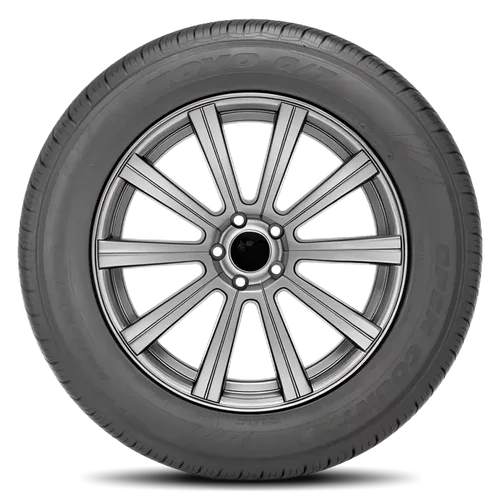
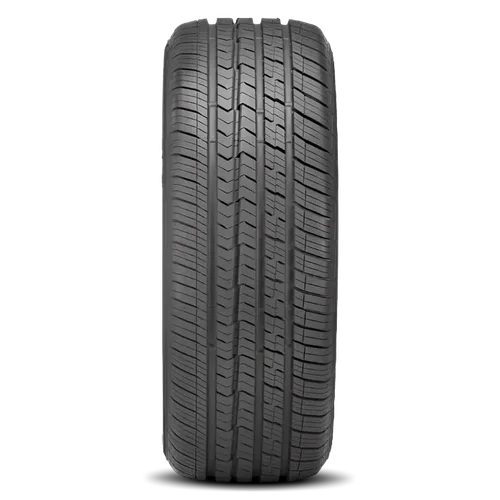
There is no single best Toyo, only the right family for how you drive. These three cover the most common cases: a long-wearing touring tire for cars, crossovers and minivans, a high performance all-season for sedans and sporty cars, and a quiet highway tire for SUVs and light pickups.
In stock right now
3 in-stock products recommended for this guide
Before you order, match the size, load index and speed rating to your door placard. If the code at the end of the size is unfamiliar, our guide to tire speed ratings and codes like 102H decodes it in a minute.
What the UTQG numbers on a Toyo tell you
Most passenger car tires sold in the United States carry a UTQG grade on the sidewall: a treadwear number, a traction letter and a temperature letter. The system does not cover everything. Winter tires, temporary spares, and light truck sizes such as most Open Country R/T and M/T tires are not graded, so a missing UTQG on those is normal, not a warning sign.
Where it does apply, the treadwear number is assigned by the manufacturer from a controlled government test course. A 600 is built to wear about twice as long as a 300 in that test, but it is not a mileage promise, because real tread life depends on your driving, your roads, your alignment and your inflation. Traction is graded AA, A, B or C for straight-line wet braking, and temperature is A, B or C for heat resistance at speed.
Here is how the Toyo tires on our shelf grade:
| Toyo model | UTQG | What it tells you |
|---|---|---|
| Open Country Q/T (passenger sizes) | 680 A B | Built for long highway life on SUVs |
| Extensa A/S II | 620 A A | Touring tire built for tread life |
| Extensa HP II | 500 A A | Trades some wear for sharper grip |
| Celsius all-weather | 440 A A | All-weather balance of wear and cold-weather grip |
| Proxes Sport | 240 AA A | Maximum grip, shortest wear |
| Open Country R/T and M/T (LT sizes) | Not graded | Light truck tires are outside the UTQG system |
None of these is better in the abstract. They are different answers to different questions, which is why matching the family to your driving matters more than chasing the highest number. The load index next to the size matters just as much, and our guide to tire load index explains how to read it.
Key takeaways
- Toyo is a good brand, made by Toyo Tire Corporation of Japan, established in 1945.
- Many US-market Toyo tires are built in White, Georgia, at the biggest tire plant in the Toyo group.
- Toyo owns Nitto. Toyota has nothing to do with either.
- Its strongest work is the Open Country truck and SUV family, with Extensa and Celsius as solid choices for cars.
- Expect to pay more than a value brand, and pick the Open Country tread for your real driving, not the look.
- Light truck Open Country sizes carry no UTQG grade, and that is normal.
How Toyo compares to other brands
Toyo and Nitto are the same company pointed at different buyers. Nitto leans toward enthusiast and off-road styling with lines such as the Ridge Grappler and NT555, while Toyo covers a broader everyday range as well as trucks. If you like a Nitto tread but want a more mainstream choice, or the other way around, you are staying inside one manufacturer either way.
Against the rest of the market, Toyo generally sits between value brands and the priciest premium names, such as Bridgestone, Michelin and Continental. Every tire legally sold in the United States has to meet the same federal safety standards, so choosing between Toyo, a value brand or a premium leader is a question of engineering depth, consistency, price and fit for your driving, not of safe against unsafe. If you are weighing Toyo against other upper-middle brands, our reviews of whether Goodyear tires are good and whether Cooper tires are good cover the closest alternatives.
The verdict
Toyo earns its reputation, and it earns it most clearly on trucks. If you drive a pickup or SUV, the Open Country family belongs on your shortlist, as long as you choose the tread for the driving you actually do. If you drive a car or minivan, the Extensa A/S II is a long-wearing, well-graded touring tire that deserves more attention than it gets. Toyo is not the cheapest way to put four tires on a vehicle, but it is a consistent, American-built option from a manufacturer with eight decades behind it. Confirm the size, load index and speed rating against your door placard, and Toyo will rarely disappoint you.
Ready for new tires?
Search live prices in your exact size, shipped from our US warehouses.
Shop tires by sizeFrequently Asked Questions
Have questions? We've got answers.
Sources & references
Disclaimer: This content is for general informational purposes only and is not a substitute for professional automotive advice. Always confirm tire size, load rating, and inflation pressure against your vehicle's door placard and owner's manual, and consult a qualified tire professional before making changes to your vehicle's tires.