All-Season vs Winter Tires: Which Do You Actually Need?
Table of contents
Every fall the same question lands in our inbox: the all-season tires on the car look fine, so is a dedicated winter set really worth it? The honest answer is that it depends far less on how much snow you get and far more on how cold your mornings are. Below is the full breakdown, including the temperature threshold most drivers have never heard of.
Quick answer
Buy winter tires if temperatures regularly drop below 45F or you drive on snow and ice more than a few days a year. All-season tires are enough for mild climates with occasional light frost. Winter rubber stays flexible in cold, which is what actually shortens your stopping distance.
What "all-season" actually means
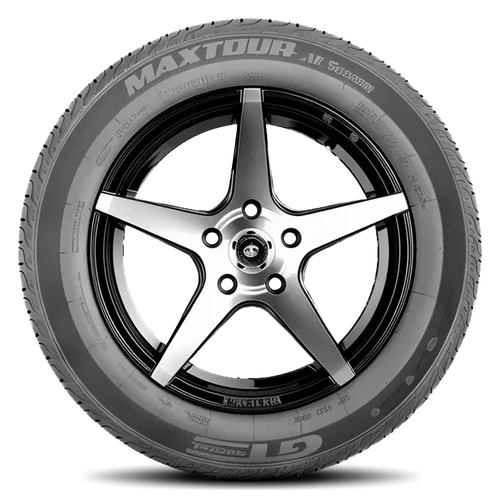
All-season is a compromise, not a promise. The tread compound is tuned to work acceptably across a wide temperature band, which means it is never the best choice at either extreme. In summer heat it gives up grip to a dedicated summer tire; in real cold it gives up grip to a winter tire. That marking turns up on a lot of budget rubber, and it is worth understanding before you buy. Our Zenna tires review works through a real example of an M+S all-season and what the grading on its sidewall does and does not promise.
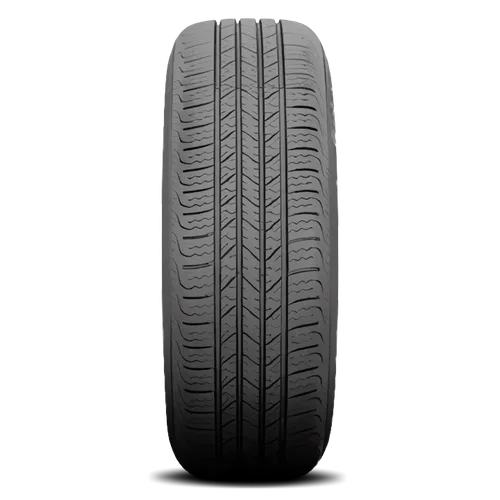
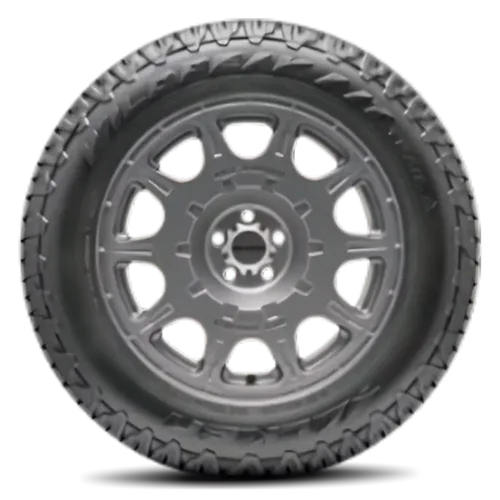
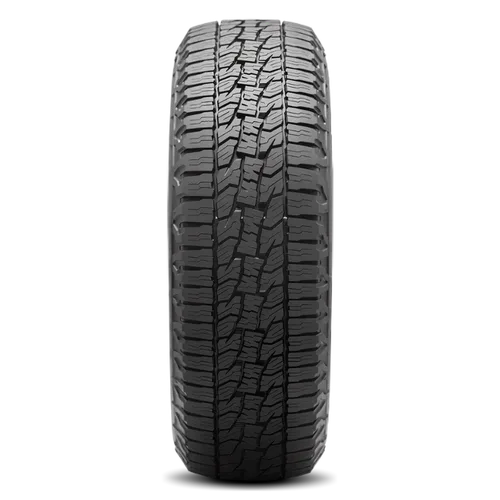
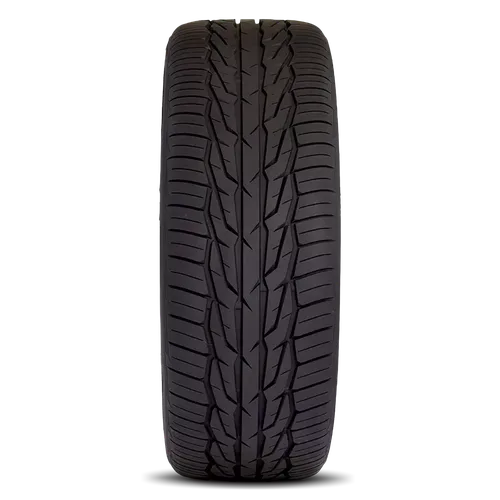
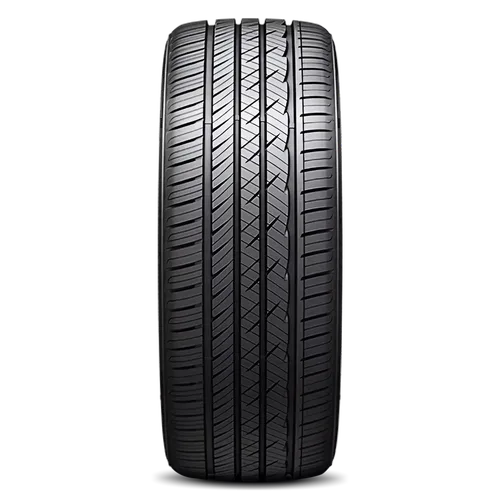
The tread pattern tells the same story. All-season tires use moderate siping and wide circumferential grooves that clear rain well. They simply do not have the density of biting edges that packed snow demands.
What winter tires do differently
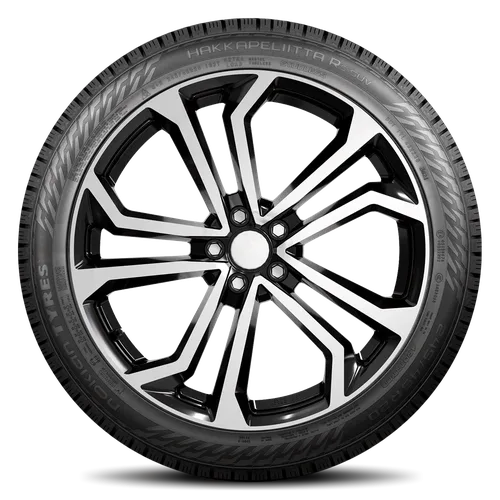
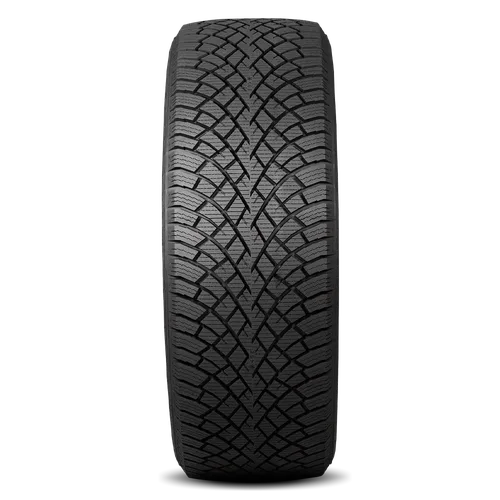
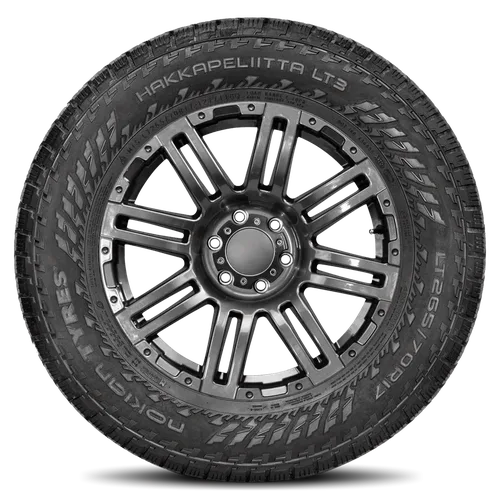
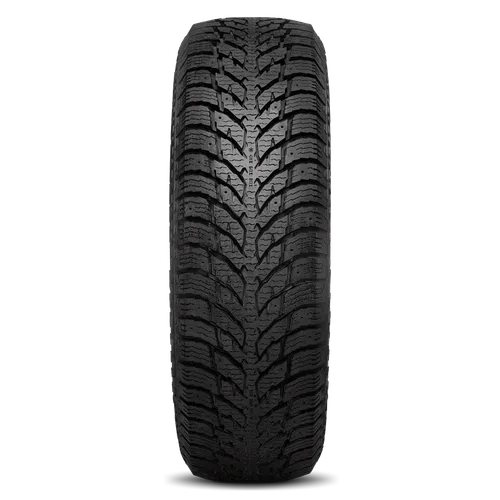
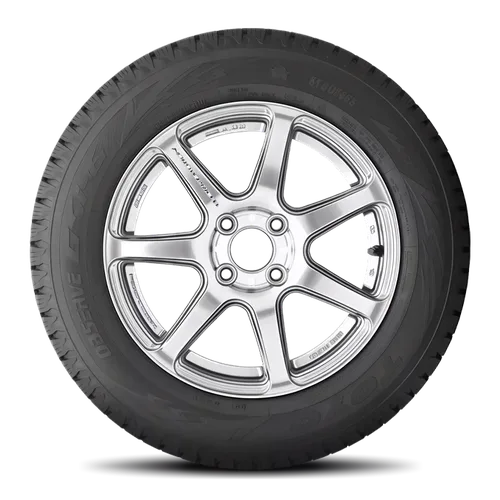
Three things separate a true winter tire from an all-season, and only one of them is the aggressive look:
Compound. High-silica rubber that stays pliable well below freezing instead of hardening into plastic.
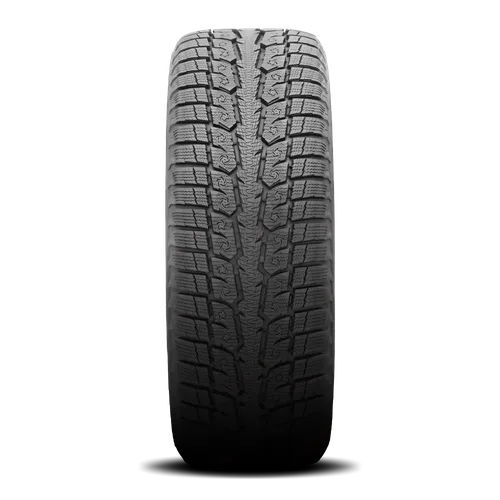
Siping. Hundreds of tiny slits that open under load and bite into snow and ice.
Tread depth and void ratio. Deeper blocks and more open space to pack and eject snow.
Factor | All-season | Winter |
|---|---|---|
Best temperature range | Above 45F | Below 45F |
Packed snow traction | Fair | Excellent |
Ice braking | Poor | Good |
Dry summer handling | Good | Vague, wears fast |
Tread life | Longer; often carries a mileage warranty | Shorter; softer compound, rarely warranted for mileage |
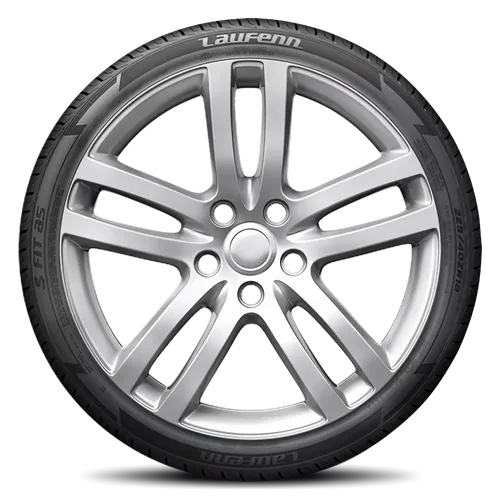
Know your size before you compare prices - it is printed on the sidewall in the format 225/65R17.
The 45F rule
Forty-five degrees Fahrenheit is the crossover point where most all-season compounds begin to stiffen measurably. That is not a snow threshold - it is a rubber chemistry threshold. A dry, clear, 30F morning is already outside the window an all-season tire was designed for, which is why cold-weather crashes often happen on perfectly bare pavement.
If your average low sits under 45F for three months or more, winter tires are a braking-distance upgrade, not a snow accessory.
Do you need all four?
Yes. Fitting two winter tires to the drive axle is one of the more dangerous shortcuts in tire buying. Mixing grip levels front to rear makes the car snap into oversteer or plow into understeer depending on which end has the better tires, and it does so without warning. Buy four or buy none.
The practical route is to search your size and compare what is in stock: winter, all-weather and all-season options sit side by side once you filter to the right fitment.
Find tires in your size
It's on your tire's sidewall or the driver-side door placard — e.g. 205/55R16
What about all-weather tires?
All-weather is a real, distinct category and it is the right answer for a lot of drivers. These tires carry the three-peak mountain snowflake (3PMSF) symbol, meaning they passed a standardized snow traction test, but they are rated to run year-round. You give up some ultimate ice grip compared to a true winter tire and some tread life compared to an all-season, and in exchange you never swap.
Two all-weather lines we stock in depth are the Travelstar Eco-Mile 4S and the Gladiator Armor 4S, both sold as 3PMSF-rated tires. Confirm the snowflake symbol on the listing and the sidewall before you buy, because the marking, not the name, is what counts. Both are worth a look if you want one set for the whole year.
How to read the sidewall symbols
Find the M+S marking. This is self-certified by the manufacturer and means very little on its own.
Look for the three-peak mountain snowflake. This one is tested and is the marking that matters.
Check the speed rating letter. Winter tires often carry a lower rating (Q, T, H) than the original equipment fitment, which is normal and legal in most states.
Note the load index and never go below the number on your door placard.
The real cost of swapping
A second set of tires is not a doubled expense. While the winters are on, the all-seasons are not wearing, so you are spreading the same total mileage across eight tires instead of four. Budget for mounting and balancing twice a year, or buy the winter set on dedicated steel wheels and the swap becomes a bolt-on job you can do in your own driveway.
Store the off-season set clean, dry, out of direct sunlight, and stacked flat or hung - never standing on concrete for months.
Key takeaways
45F, not snowfall, is the line where all-season compounds start losing grip.
Winter tires beat all-seasons on ice and packed snow by a wide margin.
Always fit four - two winters on the drive axle makes handling unpredictable.
3PMSF all-weather tires are the no-swap middle ground.
A second set spreads wear, so lifetime cost is closer to even than it looks.
Ready for new tires?
Search live prices in your exact size, shipped from our US warehouses.
Shop tires by sizeFrequently Asked Questions
Have questions? We've got answers.
Sources & references
Disclaimer: This content is for general informational purposes only and is not a substitute for professional automotive advice. Always confirm tire size, load rating, and inflation pressure against your vehicle's door placard and owner's manual, and consult a qualified tire professional before making changes to your vehicle's tires.